この記事を耳で聞く
表示中の言語で読み上げます。音声は端末の設定によって異なります。
今日のペアリング
- 日本酒:国稀 大吟醸/山田錦100%使用・精米歩合35%・アルコール度数15.5度・日本酒度+5/国稀酒造株式会社(北海道増毛郡増毛町稲葉町1丁目17)
公式サイト:https://www.kunimare.co.jp/ - 歌謡曲:「石狩挽歌」北原ミレイ(1975年)
YouTube:https://www.youtube.com/watch?v=DNXaJkGu1qI
▶ 上のプレーヤーで再生できない場合は、YouTubeで開く
酒蔵の話
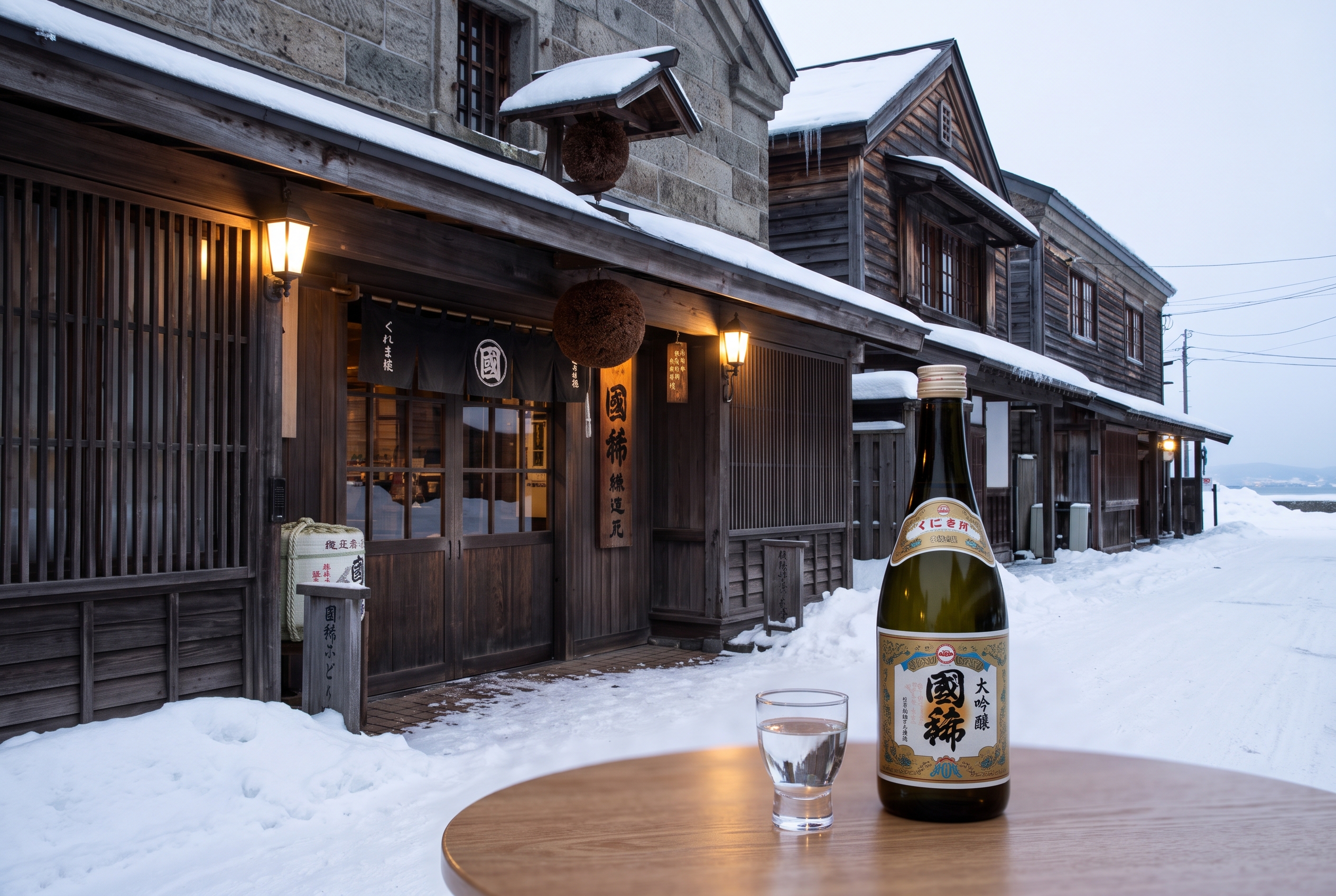
国稀酒造株式会社は、北海道増毛郡増毛町に蔵を構える、明治15年(1882年)創業の酒蔵です。創業者の本間泰蔵は嘉永2年(1849年)、新潟県佐渡に生まれ、明治6年(1873年)、23歳で小樽に渡って呉服店の番頭として働きました。当時、ニシン漁の好景気で賑わっていた増毛へ度々行商に訪れていたことが縁となり、明治8年(1875年)に増毛へ移り住み、呉服商を始めます。ニシンの豊漁による好景気が続き、酒の需要も増え続けたことから、創業時の設備では量産が追いつかなくなり、明治35年(1902年)、現在の場所に地元産の軟石を使った酒蔵を新築しました。
この蔵の建物は平成13年(2001年)、北海道遺産「増毛の歴史的建物群」の一つに選ばれ、平成17年度には北海道赤レンガ建築賞も受賞しています。同じ平成13年、社名を「丸一本間合名会社」から現在の「国稀酒造株式会社」に改めました。現在の代表取締役社長は林花織氏。「国稀」「北海鬼ころし」を主な商標とし、現在も日本で最北に位置する造り酒屋として知られています。蔵は通年で見学・試飲ができ、増毛を訪れる人々を今も迎え続けています。
今回合わせる「国稀 大吟醸」は、山田錦を100%使用し、精米歩合35%まで磨き上げた大吟醸酒。アルコール度数15.5度、日本酒度+5。公式サイトでは「おだやかで気品のある香りを纏い、奥行きのある深い味わいが口中に心地よい余韻をもたらす」と紹介されています。
土地の話
増毛町は、かつてニシン漁で賑わった港町です。国稀酒造の蔵元自身の歴史がその好景気のただ中から生まれており、創業者がこの町に移り住んだのも、増毛の酒の需要がニシン漁景気によって急速に膨らんでいたからでした。蔵のすぐそばには、創業家・本間家が営んだ旧店舗「旧商家丸一本間家」(国指定重要文化財)が今も残り、ニシンが運んできた繁栄の記憶を伝えています。
しかし北海道日本海側のニシン漁は、昭和に入ると急速に資源が減少し、かつての賑わいは次第に姿を消していきました。増毛もまた、その盛衰をくぐり抜けてきた町の一つです。
音楽の話
「石狩挽歌」は1975年(昭和50年)6月25日発売、北原ミレイのヒット曲です。作詞はなかにし礼、作曲は浜圭介、編曲は馬飼野俊一。オリコン週間チャート最高70位、売上4.5万枚を記録し、同年の日本作詩大賞では作品賞を受賞しました。
歌詞の舞台とされているのは小樽市祝津で、貨客船「笠戸丸」やオタモイ岬の「鰊御殿」が登場します。祝津の旧青山別邸(鰊御殿)には、なかにし礼直筆の歌碑が建てられています。なかにし礼は旧満洲・牡丹江市生まれで、8歳のときに小樽へ移り、旧小樽市立手宮西小学校に通いました。兄がニシン漁で大漁を得たものの、本州でより高く売ろうとして腐らせてしまい、莫大な借金を抱えて一家離散したという実体験があり、作詞に行き詰まった際、その兄から「鰊のことを書けばいいじゃないか」と言われたことがきっかけになったと伝えられています。歌は、かつてニシンが押し寄せた海を懐かしみながら、その賑わいが去った後の寂しさを描いた一曲です。
北原ミレイは本名・南玲子。愛知県豊川市出身で、1970年に「ざんげの値打ちもない」で歌手デビューしました。「石狩挽歌」はその後を代表する一曲として今も歌い継がれています。
なぜこの組み合わせなのか
「石狩挽歌」が描くのは小樽ですが、歌が悼んでいるのは北海道日本海側の港町の多くが経験した、ニシン漁の繁栄とその終わりという共通の歴史です。増毛もまた、同じ海でニシンの好景気に沸いた町の一つでした。
国稀酒造は、まさにそのニシン漁景気が生んだ酒蔵です。好景気で膨らんだ酒の需要に応えるため蔵を大きくし、ニシンの群れが去った後も、増毛の町でずっと酒を造り続けてきました。歌が悼む賑わいの記憶と、その賑わいが実際に建てた蔵の建物――ニシンの群れはもう戻りませんが、その好景気が生んだ蔵の灯りは、今も増毛の町に消えずに残っています。
この一本を、探すなら
- 蔵元の公式サイト:https://www.kunimare.co.jp/
- 楽天市場で買う:「国稀 大吟醸」の商品ページを見る(720ml・6,600円)
※楽天市場へのリンクは広告(アフィリエイト)です。在庫・取扱いは変動します。お近くの酒販店でも、ぜひ銘柄名を伝えて探してみてください。
合わせたい「アテ」
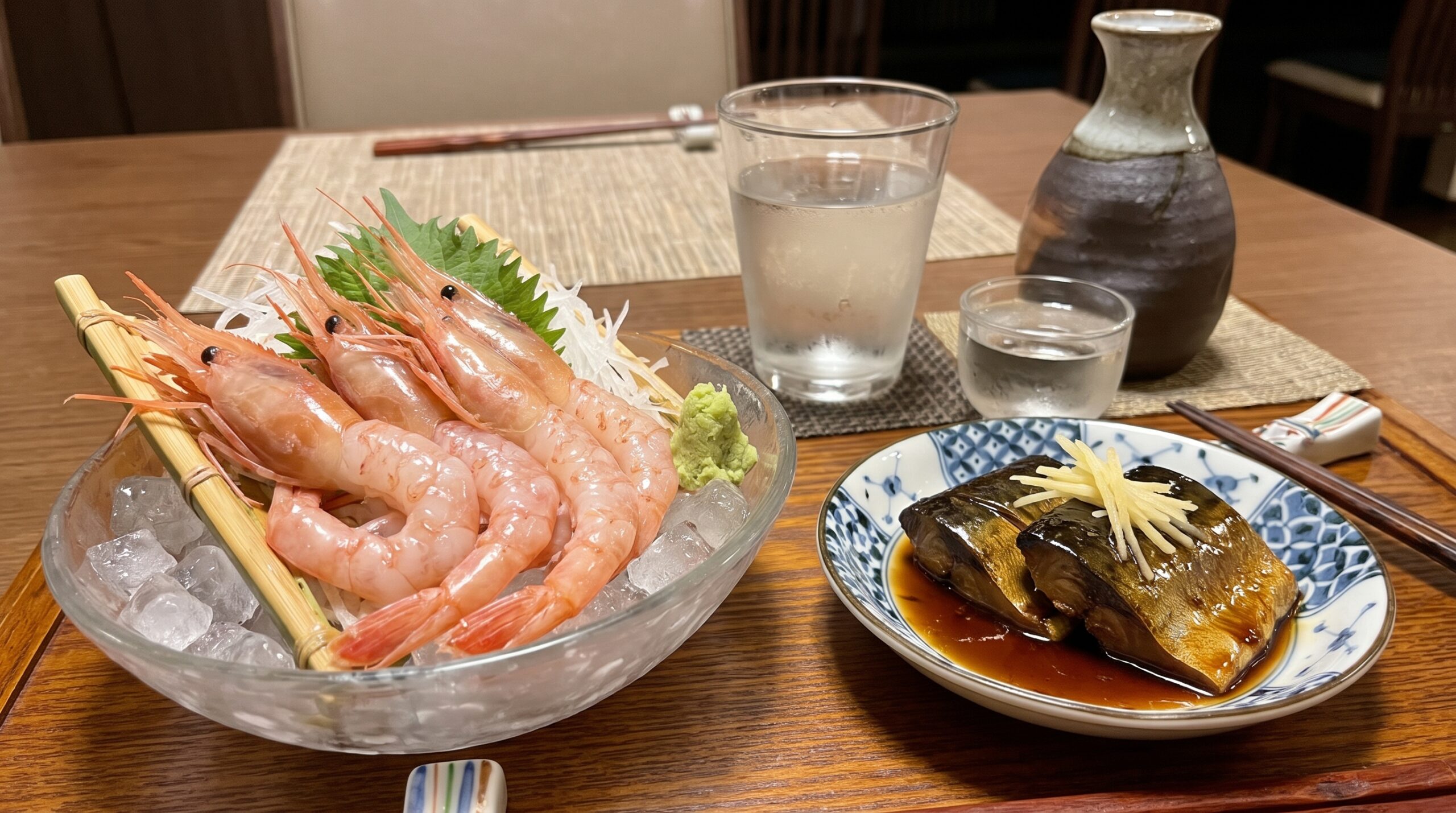
- 増毛産 甘えびの刺身
増毛漁港は甘えび(ホッコクアカエビ)の水揚げ量が全国でも上位に入る、名産地として知られています。ぷりっとした甘みのある身は、大吟醸酒の上品な吟醸香とよく響き合います。
レシピはこちら:楽天レシピ「甘えびのお刺身(下処理や食べ方)」 - 身欠きにしんの甘露煮
かつて増毛を支えたニシンそのものを使った、北海道の定番の家庭料理。醤油とみりんの甘じょっぱい照りが、大吟醸酒の深い味わいとよく合います。
レシピはこちら:クラシル「身欠きにしんの甘露煮」
科学的にひとこと:甘えびの甘みを生むグリシンやベタインといった成分は、大吟醸酒のフルーティーな吟醸香と合わさることで、口の中に上品な余韻を生み出します。身欠きにしんの甘露煮に使われる醤油・みりんの甘じょっぱい風味は、米由来のアミノ酸系の旨味と重なり合い、互いの味わいを引き立て合います。
この蔵をたずねるなら
国稀酒造(くにまれしゅぞう)
北海道増毛郡増毛町稲葉町1丁目17/蔵は増毛の中心部、旧商家丸一本間家などが並ぶ通り沿いにあります。
蔵の見学(無料、9:00〜16:30、10名以上は要予約)と試飲ができる売店(9:00〜17:00)があります。
近くの観光スポット
- 旧商家丸一本間家(国指定重要文化財)/増毛町|国稀酒造から徒歩約2分(車で約1分)
国稀酒造の創業家・本間家が営んだ旧店舗で、ニシン漁で栄えた時代の繁栄を伝える建物です。例年4月下旬〜11月上旬の期間限定公開で、冬期は休館します。訪問前に公式サイトでご確認ください。 - 増毛厳島神社(北海道指定有形文化財)/増毛町|国稀酒造から徒歩数分(車で約2〜3分)
国稀酒造と同じ稲葉町の高台に鎮座する神社。境内への参拝は通年できますが、本殿・拝殿の特別拝観は事前予約制(300円)です。 - 旧増毛駅/増毛町|国稀酒造から徒歩圏(車で約2分)
2016年に廃線となった旧JR留萌本線の駅舎を2018年に観光施設として復元したもの。無料で見学できます(9:00〜16:00)。
近くの温泉
- オーベルジュましけ/増毛町|国稀酒造から車で数分
日帰り入浴ができる温泉宿です(11:00〜22:00、最終入館21:30、大人600円)。 - 岩尾温泉 あったま〜る/増毛町|国稀酒造から車で約20分・約18km
増毛町営の日帰り温泉です(11:00〜21:00、受付20:15まで、大人500円)。営業期間は4月1日〜11月30日。訪問前に営業期間をご確認ください。
※営業時間・定休日・日帰り入浴の可否は変わることがあります。おでかけ前に各施設の公式情報をご確認ください。
ひとことメモ(日本酒の用語)
- 吟醸酒:精米歩合60%以下まで磨いた米を低温でじっくり発酵させた日本酒。純米吟醸酒と違い、香味を整えるための醸造アルコールが加えられています。華やかな香りが特徴です。
- 精米歩合:玄米を削り、残った部分の割合。数値が低いほど、米を多く磨いていることを示します。
参考
- 国稀酒造株式会社 公式サイト
- 國稀の歴史 | 国稀酒造株式会社
- 【新】国稀大吟醸 720ml | 国稀酒造オンラインショップ
- 國稀酒造 – Wikipedia
- 石狩挽歌 – Wikipedia
- 北原ミレイ – Wikipedia
内容に誤りがございましたら、お手数ですが info@soundrecords.jp までご連絡いただけますと幸いです。
오늘의 페어링
- 일본술:구니마레 다이긴조(国稀 大吟醸)/야마다니시키(山田錦) 100% 사용・정미비율 35%・알코올 도수 15.5도・일본주도 +5/구니마레 주조 주식회사(国稀酒造株式会社)(홋카이도 마시케군 마시케초 이나바초 1초메 17)
공식 사이트:https://www.kunimare.co.jp/ - 가요:「이시카리 반카(石狩挽歌)」기타하라 미레이(北原ミレイ)(1975년)
YouTube:https://www.youtube.com/watch?v=DNXaJkGu1qI
▶ 위 플레이어로 재생되지 않는 경우에는 YouTube에서 열기
양조장 이야기
구니마레 주조 주식회사(国稀酒造株式会社)는 홋카이도 마시케군 마시케초(増毛町)에 양조장을 둔, 메이지(明治) 15년(1882년)창업의 양조장입니다. 창업자 혼마 야스조(本間泰蔵)는 가에이(嘉永) 2년(1849년), 니가타현 사도(佐渡)에서 태어나, 메이지 6년(1873년), 23세에 오타루(小樽)로 건너가 포목점의 반토(番頭, 지배인)로 일했습니다. 당시 청어잡이 호황으로 번성하던 마시케에 자주 행상을 다닌 것이 인연이 되어, 메이지 8년(1875년)에 마시케로 이주해 포목상을 시작합니다. 청어의 풍어로 인한 호황이 계속되고 술의 수요도 계속 늘어났기 때문에, 창업 당시의 설비로는 양산이 따라가지 못하게 되어, 메이지 35년(1902년), 현재의 장소에 지역산 연석(軟石)을 사용한 양조장을 새로 지었습니다.
이 양조장 건물은 헤이세이(平成) 13년(2001년), 홋카이도 유산「마시케의 역사적 건물군」중 하나로 선정되었으며, 헤이세이 17년도에는 홋카이도 붉은벽돌 건축상도 수상했습니다. 같은 헤이세이 13년, 사명을 「마루이치 혼마 합명회사(丸一本間合名会社)」에서 현재의 「구니마레 주조 주식회사(国稀酒造株式会社)」로 변경했습니다. 현재의 대표이사 사장은 하야시 가오리(林花織) 씨입니다. 「구니마레(国稀)」「홋카이오니코로시(北海鬼ころし)」를 주요 상표로 하며, 현재도 일본에서 가장 북쪽에 위치한 양조장으로 알려져 있습니다. 양조장은 연중 견학・시음이 가능하며, 마시케를 찾는 사람들을 지금도 계속 맞이하고 있습니다.
이번에 짝지을 「구니마레 다이긴조(国稀 大吟醸)」는 야마다니시키(山田錦)를 100% 사용하여 정미비율 35%까지 깎아낸 다이긴조 술입니다. 알코올 도수 15.5도, 일본주도 +5. 공식 사이트에서는 「은은하고 품격 있는 향을 두르고, 깊이 있는 깊은 맛이 입안에 기분 좋은 여운을 남긴다」고 소개되어 있습니다.
고장 이야기
마시케초는 한때 청어잡이로 번성했던 항구 마을입니다. 구니마레 주조 가문 자체의 역사가 바로 그 호황의 한가운데에서 탄생했으며, 창업자가 이 마을로 이주한 것도 마시케의 술 수요가 청어잡이 호황으로 급속히 늘어났기 때문이었습니다. 양조장 바로 옆에는 창업 가문인 혼마가(本間家)가 운영했던 옛 점포 「구 상가 마루이치 혼마가(旧商家丸一本間家)」(국가지정 중요문화재)가 지금도 남아, 청어가 가져온 번영의 기억을 전하고 있습니다.
그러나 홋카이도 동해 쪽의 청어잡이는 쇼와(昭和) 시대에 들어서면서 자원이 급속히 줄어들어, 과거의 번성은 점차 모습을 감추어 갔습니다. 마시케 또한 그 흥망을 겪어온 마을 중 하나입니다.
음악 이야기
「이시카리 반카(石狩挽歌)」는 1975년(쇼와 50년)6월 25일 발매된, 기타하라 미레이(北原ミレイ)의 히트곡입니다. 작사는 나카니시 레이(なかにし礼), 작곡은 하마 케이스케(浜圭介), 편곡은 마카이노 슌이치(馬飼野俊一)가 맡았습니다. 오리콘 주간 차트 최고 70위, 판매량 4.5만 장을 기록했으며, 같은 해 일본작사대상에서 작품상을 수상했습니다.
가사의 무대로 알려진 곳은 오타루시(小樽市) 슈쿠쓰(祝津)로, 화객선 「카사토마루(笠戸丸)」와 오타모이곶(オタモイ岬)의 「니신고텐(鰊御殿)」이 등장합니다. 슈쿠쓰의 구 아오야마 별저(鰊御殿)에는 나카니시 레이(なかにし礼)가 직접 쓴 가사비(歌碑)가 세워져 있습니다. 나카니시 레이는 구 만주(満洲) 무단장시(牡丹江市)에서 태어나, 8세 때 오타루로 이주하여 구 오타루시립 테미야니시 소학교(手宮西小学校)에 다녔습니다. 형이 청어잡이에서 대어(大漁)를 거두었지만, 혼슈(本州)에서 더 비싸게 팔려다 썩혀버려 막대한 빚을 지고 가족이 흩어졌다는 실제 경험이 있으며, 작사가 막혔을 때 그 형으로부터 「청어 이야기를 쓰면 되지 않겠느냐」는 말을 들은 것이 계기가 되었다고 전해집니다. 노래는 한때 청어가 몰려들던 바다를 그리워하면서, 그 번성이 사라진 뒤의 쓸쓸함을 그린 한 곡입니다.
기타하라 미레이(北原ミレイ)는 본명 미나미 레이코(南玲子)입니다. 아이치현 토요카와시(愛知県豊川市) 출신으로, 1970년에「잔게노 네우치모나이(ざんげの値打ちもない)」로 가수 데뷔했습니다. 「이시카리 반카(石狩挽歌)」는 그 이후를 대표하는 한 곡으로 지금도 계속 불리고 있습니다.
왜 이 조합인가
「이시카리 반카(石狩挽歌)」가 그리는 곳은 오타루이지만, 노래가 애도하는 것은 홋카이도 동해 쪽 항구 마을 대부분이 겪었던 청어잡이의 번영과 그 종언이라는 공통의 역사입니다. 마시케 또한 같은 바다에서 청어 호황으로 들끓었던 마을 중 하나였습니다.
구니마레 주조(国稀酒造)는 바로 그 청어잡이 호황이 낳은 양조장입니다. 호황으로 늘어난 술 수요에 부응하기 위해 양조장을 키웠고, 청어 떼가 떠난 뒤에도 마시케 마을에서 계속 술을 만들어왔습니다. 노래가 애도하는 번성의 기억과, 그 번성이 실제로 세운 양조장 건물――청어 떼는 이제 돌아오지 않지만, 그 호황이 낳은 양조장의 불빛은 지금도 마시케 마을에서 꺼지지 않고 남아 있습니다.
이 한 병을 찾는다면
- 양조장 공식 사이트:https://www.kunimare.co.jp/
- 라쿠텐 시장에서 구매하기:「国稀 大吟醸」 상품 페이지 보기(720ml・6,600엔)
※라쿠텐 이치바 링크는 광고(어필리에이트)입니다. 재고・취급 여부는 변동됩니다. 가까운 주류 판매점에서도 브랜드명을 말씀하시고 꼭 찾아보시기 바랍니다.
🌡️ 추천하는 음용법:충분히 차갑게 해서(8〜10도 정도). 야마다니시키(山田錦) 특유의 품격 있는 긴조 향은 차갑게 했을 때 가장 깨끗하게 돋아납니다.
함께하고 싶은「안주」
- 마시케산 단새우 사시미마시케 어항(増毛漁港)은 단새우(홋코쿠아카에비, ホッコクアカエビ)의 수확량이 전국에서도 상위권에 드는 명산지로 알려져 있습니다. 탱탱하고 단맛이 있는 살은 다이긴조 술의 품격 있는 긴조 향과 잘 어우러집니다.
레시피는 이곳에서:라쿠텐 레시피(楽天レシピ)「단새우 사시미(밑손질과 먹는 법)」 - 미가키니신(身欠きにしん, 말린 청어) 간로니(甘露煮)한때 마시케를 떠받쳤던 청어 그 자체를 사용한, 홋카이도의 대표적인 가정 요리입니다. 간장과 미림의 달짝지근한 윤기가 다이긴조 술의 깊은 맛과 잘 어울립니다.
레시피는 이곳에서:쿠라시루(クラシル)「미가키니신 간로니(身欠きにしんの甘露煮)」
과학적으로 한마디:단새우의 단맛을 만들어내는 글리신과 베타인 같은 성분은, 다이긴조 술의 과일 향 같은 긴조 향과 합쳐지면서 입안에 품격 있는 여운을 만들어냅니다. 미가키니신 간로니에 사용되는 간장・미림의 달짝지근한 풍미는, 쌀에서 유래한 아미노산계 감칠맛과 겹쳐져 서로의 맛을 돋보이게 합니다.
이 양조장을 찾는다면
구니마레 주조(国稀酒造)홋카이도 마시케군 마시케초 이나바초 1초메 17/양조장은 마시케 중심부, 구 상가 마루이치 혼마가(旧商家丸一本間家) 등이 늘어선 거리에 있습니다.
양조장 견학(무료, 9:00〜16:30, 10명 이상은 예약 필요)과 시음이 가능한 매점(9:00〜17:00)이 있습니다.
근처 관광 명소
- 구 상가 마루이치 혼마가(国指定重要文化財)/마시케초|구니마레 주조에서 도보 약 2분(자동차로 약 1분)구니마레 주조의 창업 가문인 혼마가(本間家)가 운영했던 옛 점포로, 청어잡이로 번영했던 시대의 번성을 전하는 건물입니다. 매년 4월 하순〜11월 상순 기간 한정 공개이며, 겨울철에는 휴관합니다. 방문 전에 공식 사이트에서 확인해 주세요.
- 마시케 이쓰쿠시마 신사(増毛厳島神社)(北海道指定有形文化財)/마시케초|구니마레 주조에서 도보 몇 분(자동차로 약 2〜3분)구니마레 주조와 같은 이나바초의 고지대에 자리한 신사입니다. 경내 참배는 연중 가능하지만, 본전・배전의 특별 참관은 사전 예약제(300엔)입니다.
- 구 마시케역(旧増毛駅)/마시케초|구니마레 주조에서 도보 거리(자동차로 약 2분)2016년에 폐선된 구 JR 루모이 본선(留萌本線)의 역사(駅舎)를 2018년에 관광시설로 복원한 것입니다. 무료로 견학할 수 있습니다(9:00〜16:00)。
근처 온천
- 오베르주 마시케(オーベルジュましけ)/마시케초|구니마레 주조에서 자동차로 몇 분당일치기 입욕이 가능한 온천 여관입니다(11:00〜22:00, 최종 입관 21:30, 어른 600엔)。
- 이와오 온천 앗타마루(岩尾温泉 あったま〜る)/마시케초|구니마레 주조에서 자동차로 약 20분・약 18km마시케초 운영의 당일치기 온천입니다(11:00〜21:00, 접수 20:15까지, 어른 500엔)。영업 기간은 4월 1일〜11월 30일입니다. 방문 전에 영업 기간을 확인해 주세요.
※영업시간・정기휴일・당일치기 입욕 가능 여부는 변경될 수 있습니다. 외출 전에 각 시설의 공식 정보를 확인해 주세요.
한마디 메모(일본술 용어)
- 긴조슈(吟醸酒):정미비율 60% 이하까지 깎은 쌀을 저온에서 천천히 발효시킨 일본술입니다. 준마이긴조슈(純米吟醸酒)와 달리, 향과 맛을 조정하기 위한 양조 알코올이 첨가되어 있습니다. 화려한 향이 특징입니다.
- 정미비율(精米歩合):현미를 깎아내고 남은 부분의 비율입니다. 수치가 낮을수록 쌀을 많이 깎았음을 나타냅니다.
참고
- 구니마레 주조 주식회사(国稀酒造株式会社) 공식 사이트
- 구니마레의 역사(國稀の歴史) | 구니마레 주조 주식회사(国稀酒造株式会社)
- 【신규】구니마레 다이긴조(国稀大吟醸) 720ml | 구니마레 주조 온라인숍(国稀酒造オンラインショップ)
- 구니마레 주조(國稀酒造) – Wikipedia
- 이시카리 반카(石狩挽歌) – Wikipedia
- 기타하라 미레이(北原ミレイ) – Wikipedia
내용에 오류가 있으시면, 번거롭더라도info@soundrecords.jp로 연락해 주시면 감사하겠습니다.
コメントを残す