今日のペアリング
▶ 上のプレーヤーで再生できない場合は、YouTubeで開く
酒蔵の話
前日光醸造所を運営する小林醸造株式会社の母体は、1955年創業の酒販店・小林酒店(栃木県鹿沼市)です。二代目の小林一三氏は東京農業大学で発酵学を学び、いつか自分の蔵を持ちたいという思いを抱いていました。2021年、後継者を探していた栃木県大田原市の池島酒造(1907年創業、銘柄「池錦」)から事業承継の話を受け、社名を小林醸造株式会社に改めます。池島酒造の初代が残した「主人自ら蔵に入るべし」という家訓は、いまも新しい蔵に受け継がれています。
2023年3月、清酒製造免許が大田原市から鹿沼市へ移されました。下野新聞によれば、これは鹿沼市産の清酒としては37年ぶりの復活であり、栃木県内で新規参入による清酒蔵としては51年ぶりのことだったといいます。2024年7月には、2017年に閉校した鹿沼市立上粕尾小学校の体育館を改装し、「前日光醸造所」として稼働を始めました。かまぼこ形の赤い体育館、床面積およそ550平方メートルの中に、木製の麹室や仕込み用の冷蔵庫、精米所までが小さくまとめられています。新しい麹室の扉には、承継した池島酒造の旧麹室の扉がそのまま使われました。
蔵の主力事業は、発注者が酵母や精米歩合、辛口・甘口までを選べるオーダーメイド醸造で、一般的な地酒蔵の10分の1ほどの小さな仕込みで行われています。そして小林酒店が長く手がけてきたプライベートブランド「鹿沼娘」も、この蔵で新しい形に生まれ変わりました。今回合わせる純米吟醸は、原料米を栃木県鹿沼市産米100%に統一し、精米歩合55%、仕込み水には古峯神社の御神水を使用。アルコール度数16%、日本酒度+3.0のやや辛口で、フルーティーでフレッシュな味わいに仕上げられています。
土地の話
蔵のある上粕尾は、かつて粕尾村という独立した村でした。1955年、粟野町・粕尾村・永野村・清洲村の4町村が合併し、新しい「粟野町」が生まれます。そして2006年、粟野町はそのまま鹿沼市に編入されました。
この清洲村こそ、2026年6月に76歳で亡くなったガッツ石松さん(本名・鈴木有二)の生まれ故郷です。上粕尾と清洲は、もとは別の村でありながら、1955年から2006年までのおよそ半世紀のあいだ、同じ「粟野町」という一つの町の名を分け合ってきました。蔵の仕込み水も、ガッツさんが少年時代を過ごした山あいと同じ、日光連山の裾野から流れ出す水です。
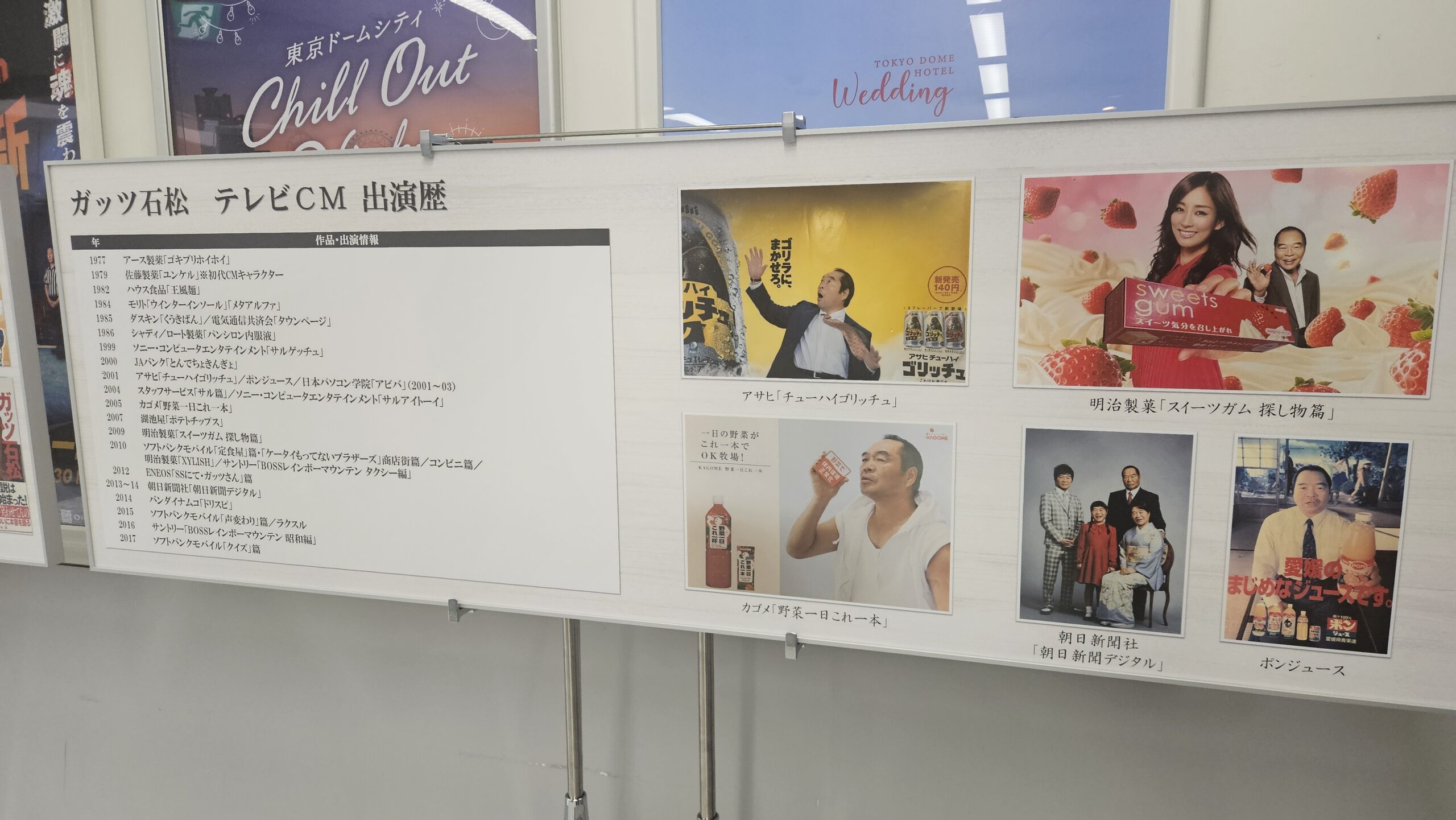
音楽の話
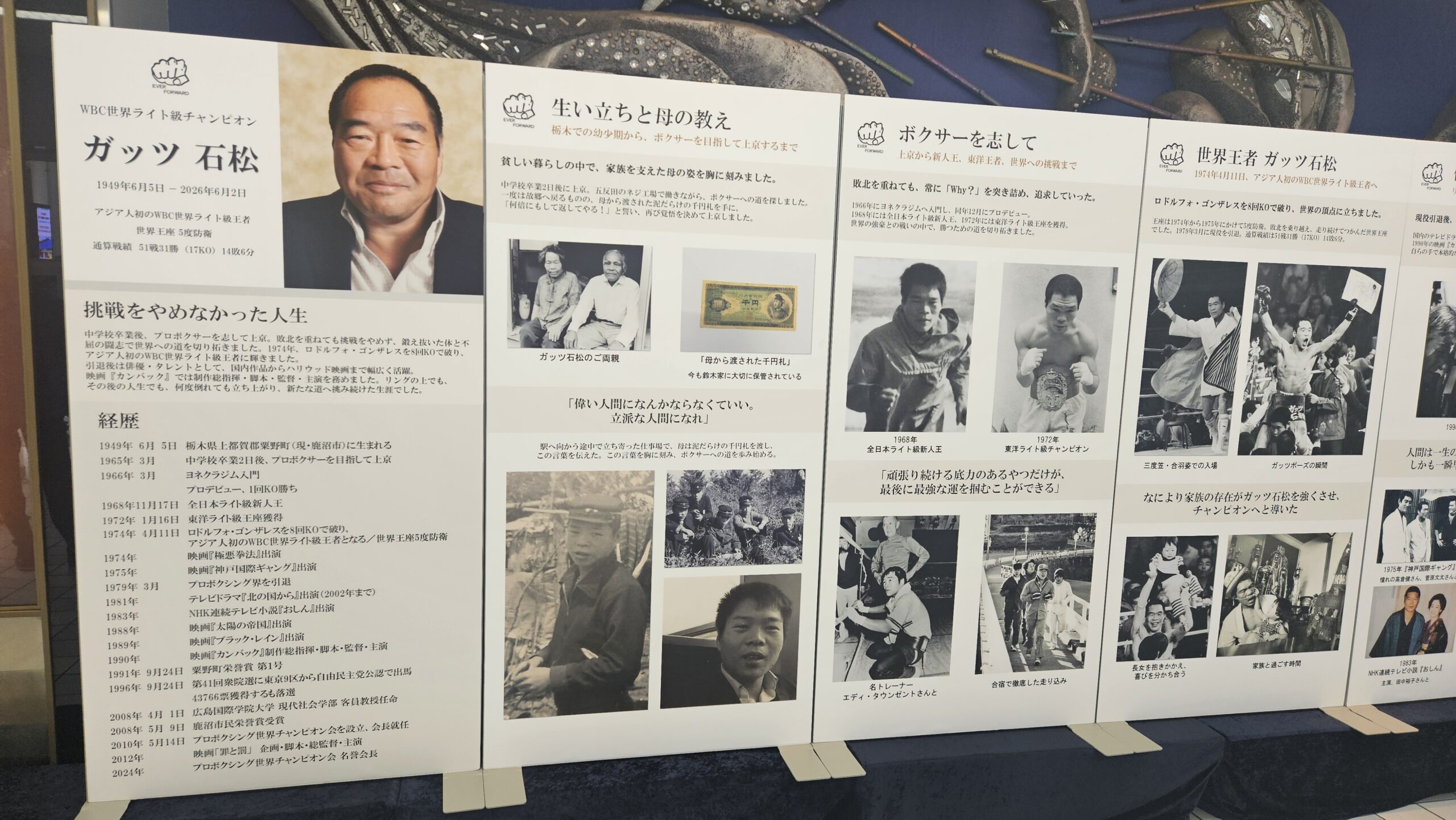
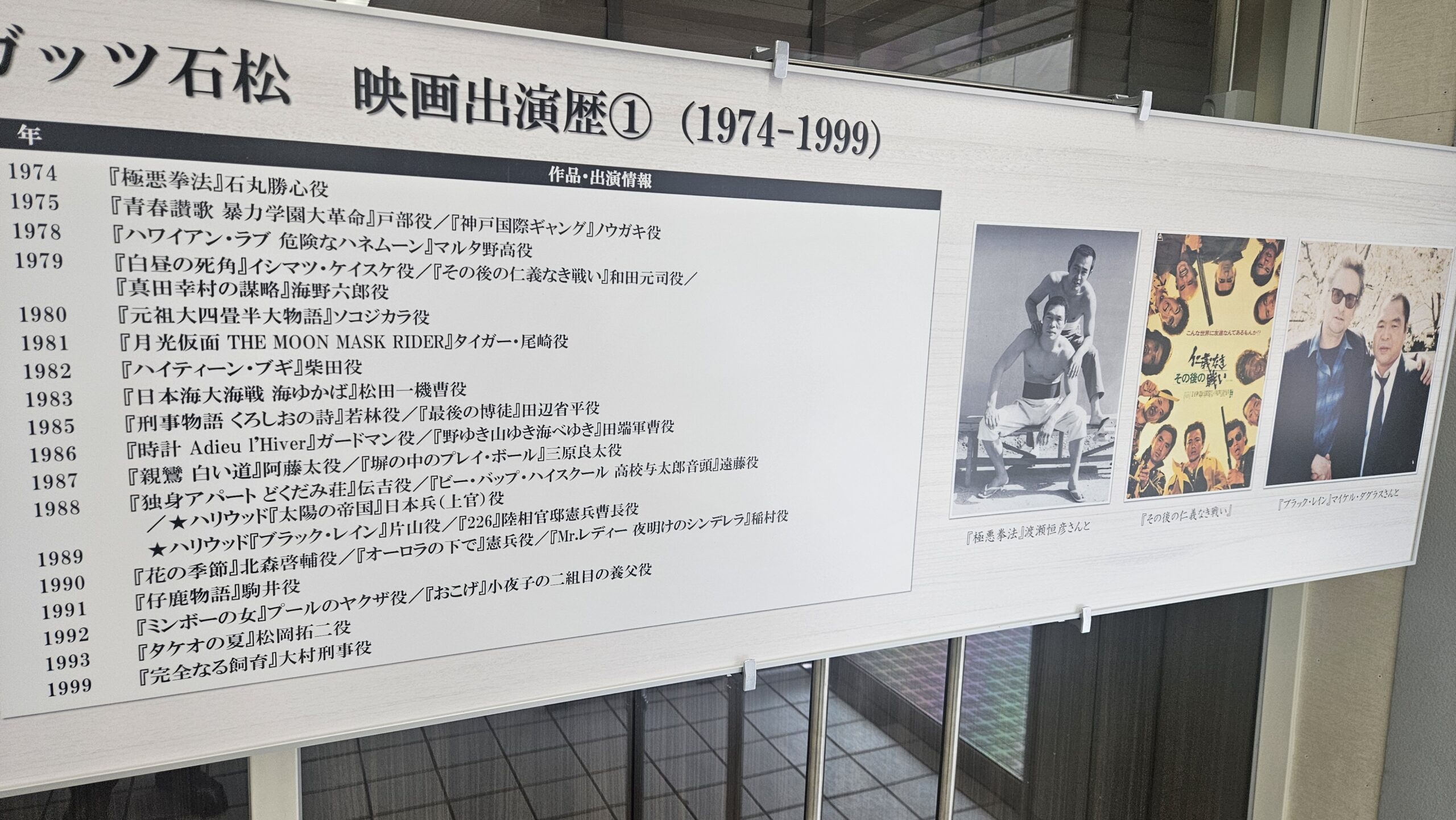
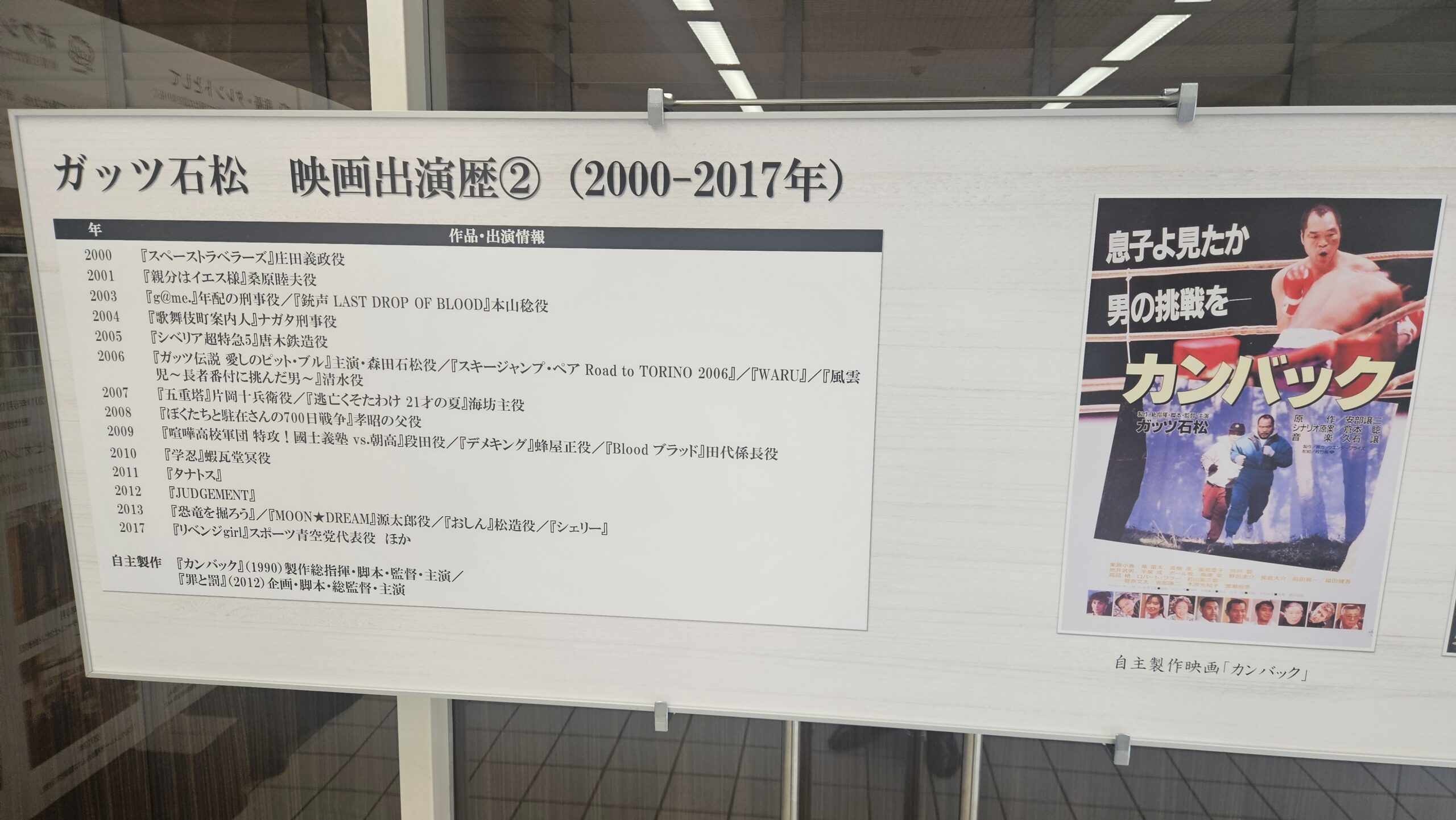
ガッツ石松さんは1966年にプロボクサーとしてデビューし、ヨネクラボクシングジムに所属しました。1974年4月11日、メキシコのロドルフォ・ゴンザレス選手を8回KOで下し、WBC世界ライト級王座を獲得します。アジア人として初めてこの階級の世界王者となった年でした。
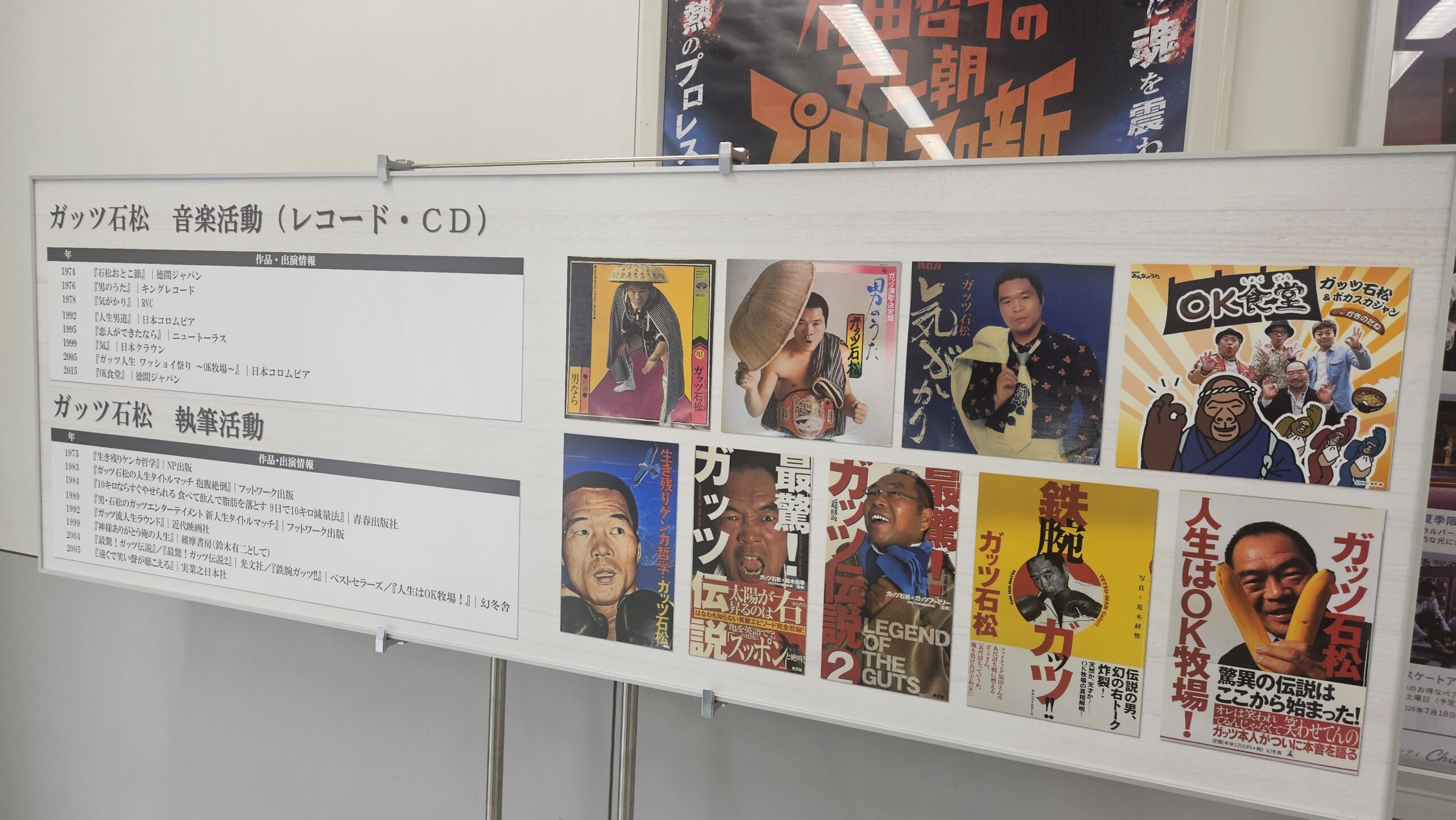
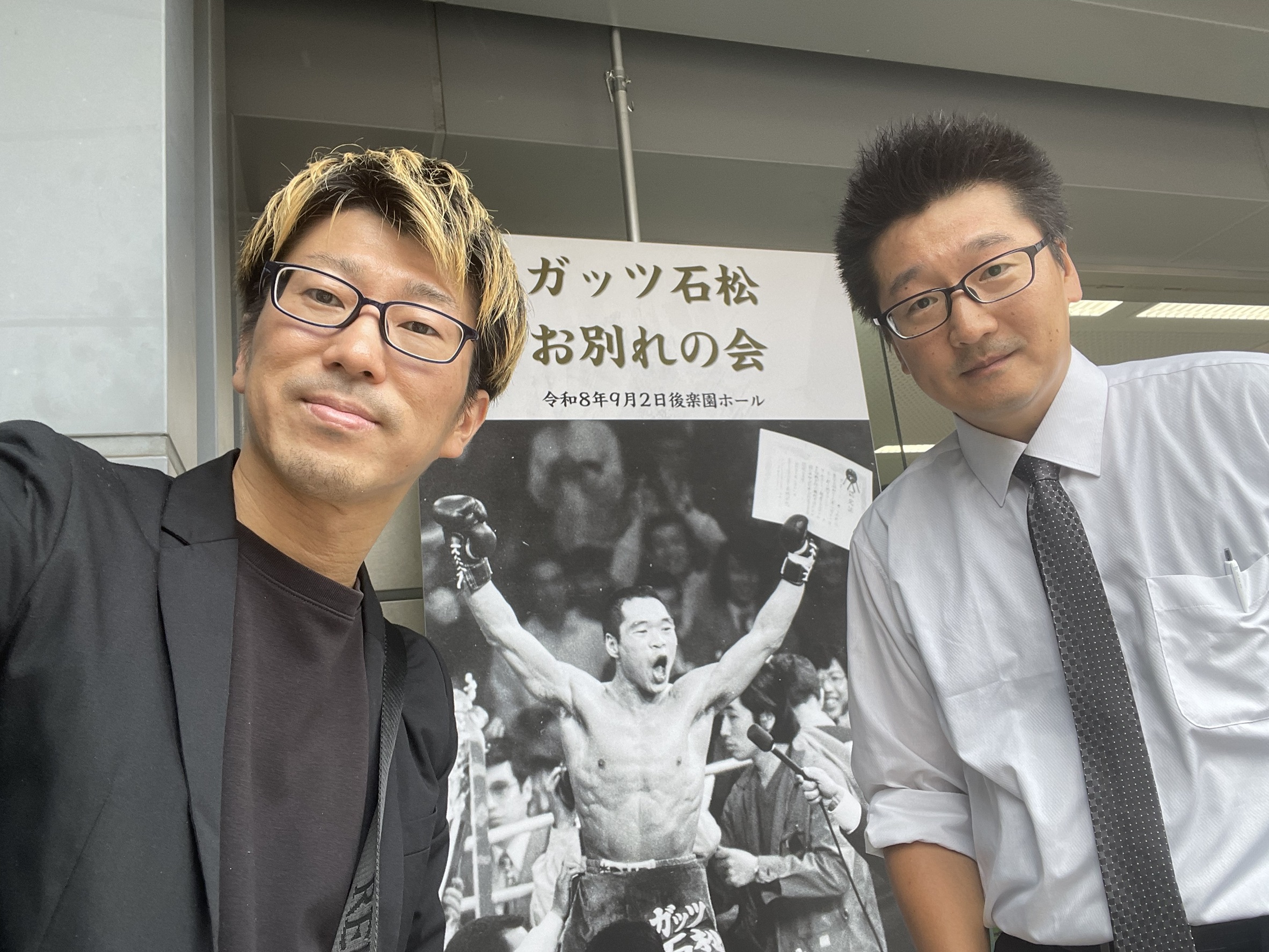
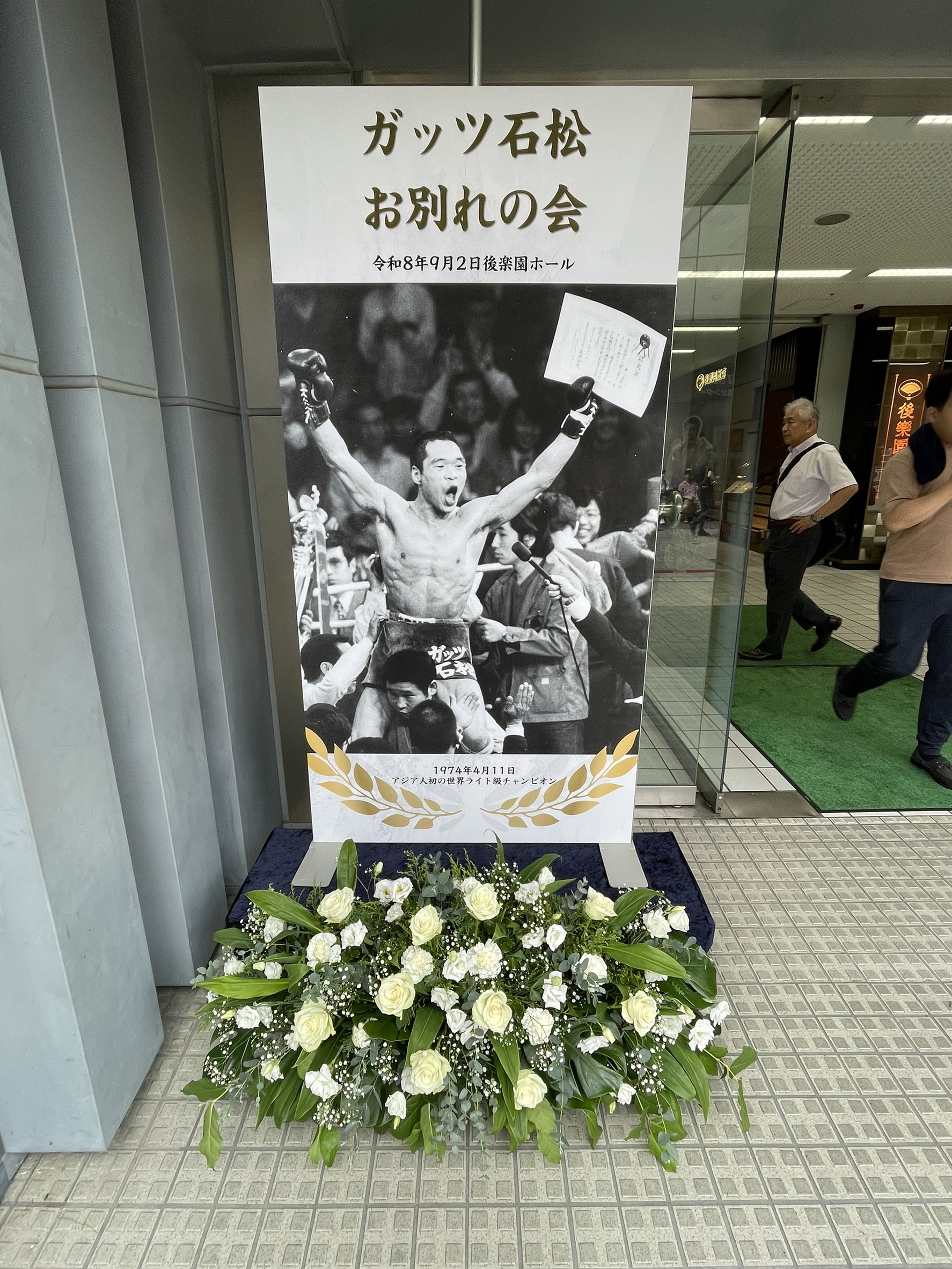
その年の9月1日に発売されたのが「石松おとこ節」(作詞・藤田まさと、作曲・曽根幸明)。世界チャンピオンになった直後に送り出された一枚であり、若く勢いのあった時代の記録でもあります。のちにガッツさんはバラエティ番組でも親しまれる存在になりましたが、この曲が生まれた1974年は、紛れもなく現役ボクサーとして頂点に立った年でした。2026年6月2日、肺炎のため76歳で逝去。9月2日には東京・後楽園ホールで「お別れの会」が開かれ、新旧40人以上の世界チャンピオンが参列しました。
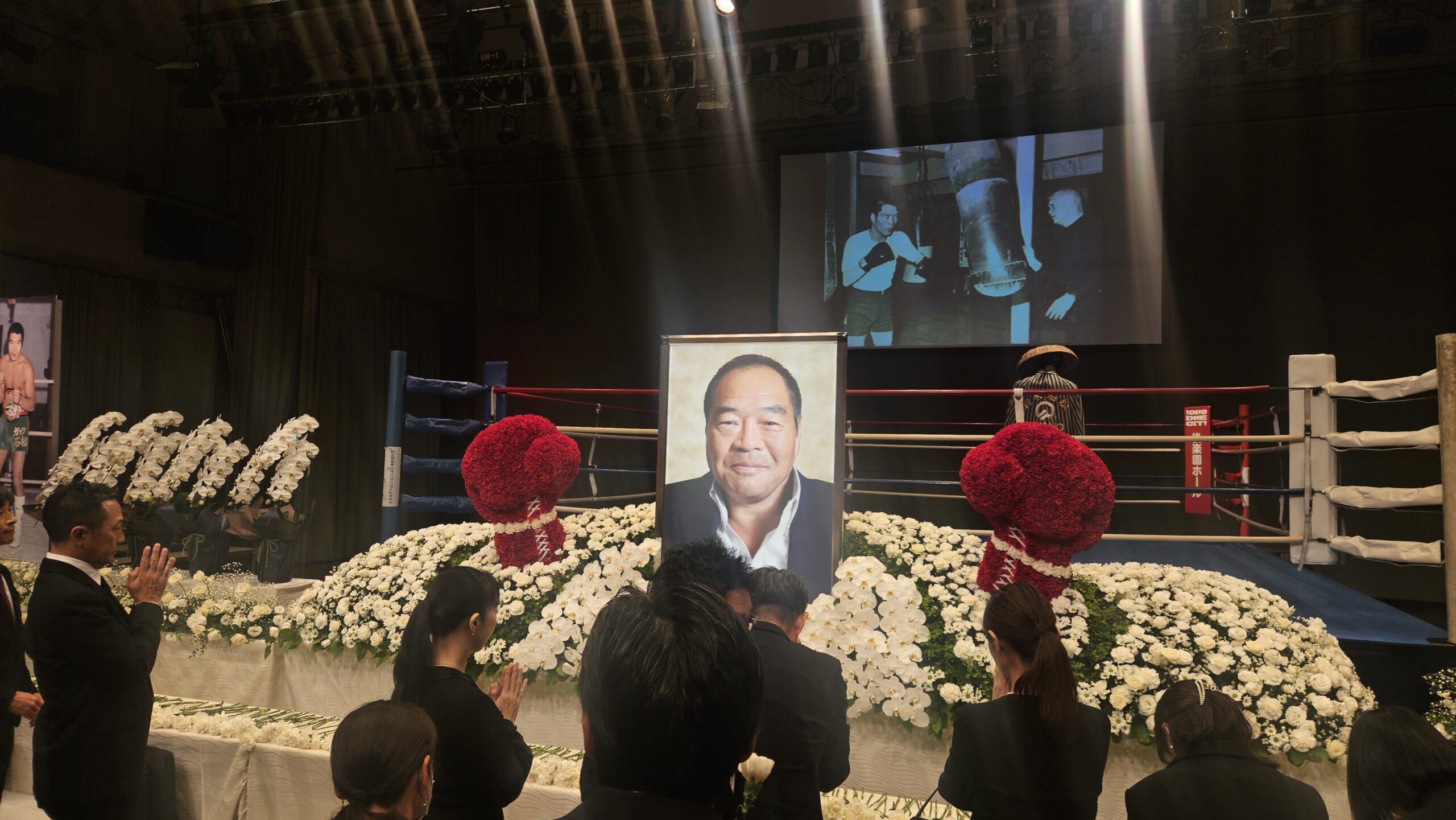
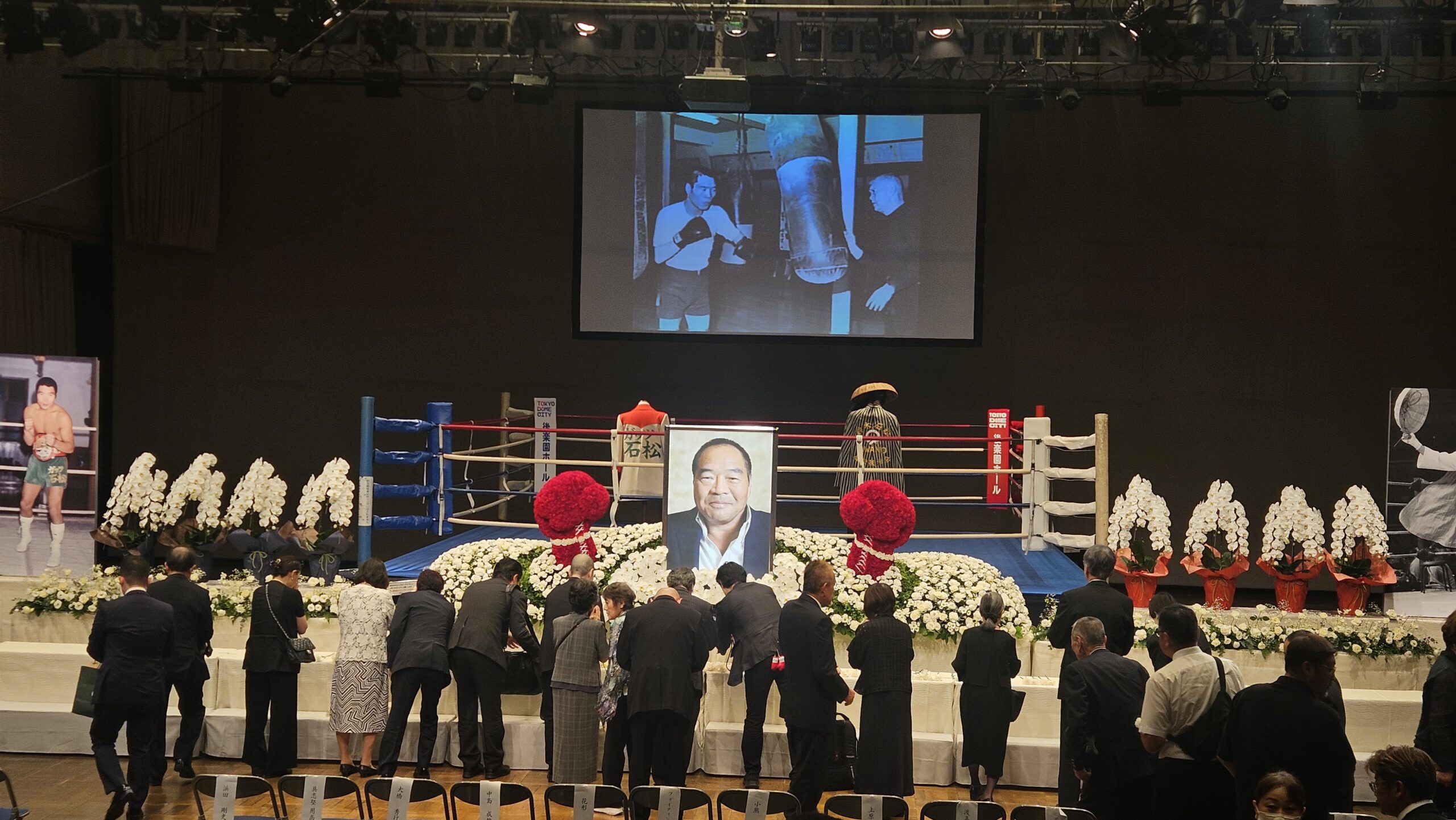
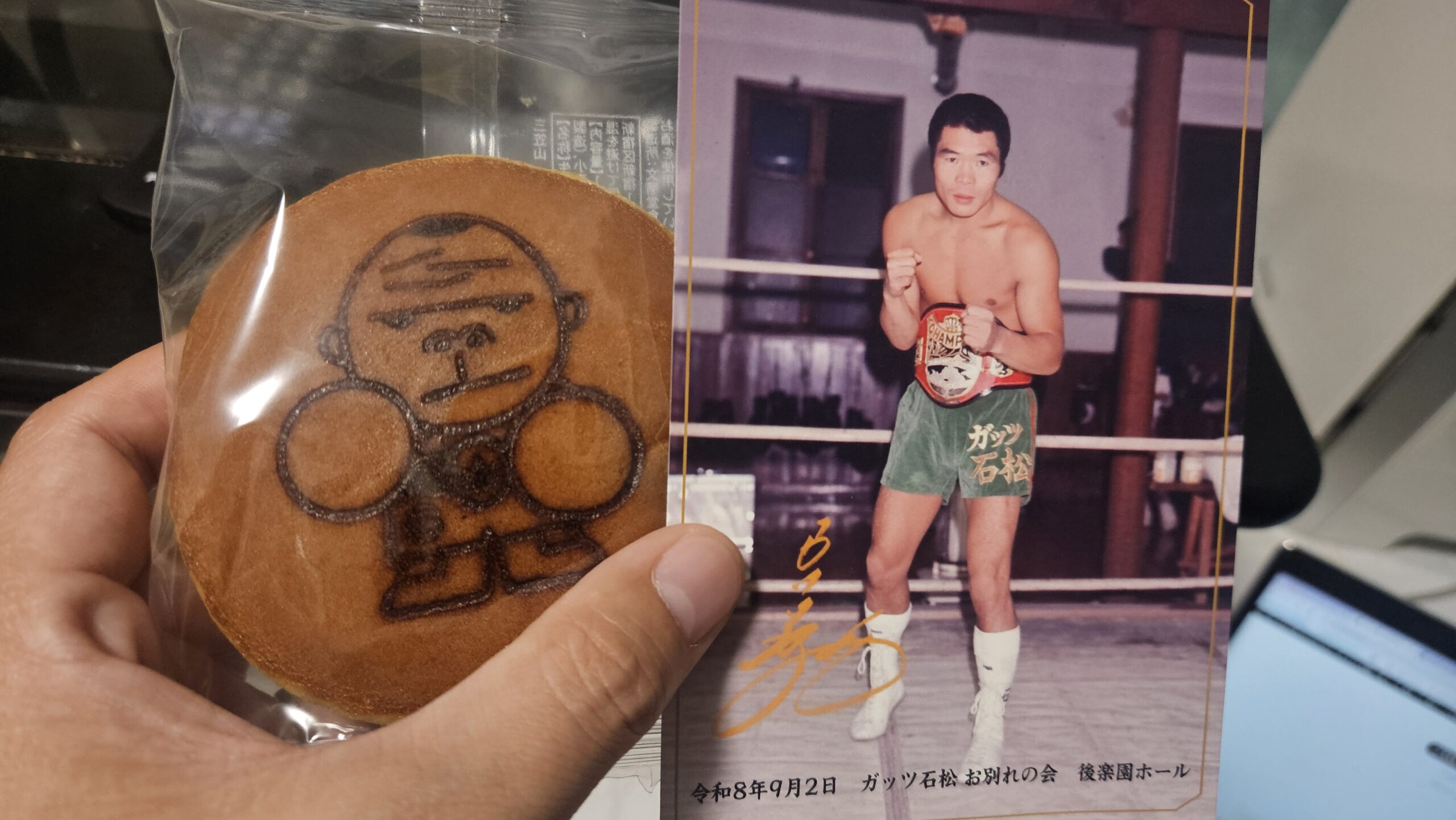
生前、音楽プロデューサーとして関わらせていただいた作品です。
▶ 上のプレーヤーで再生できない場合は、YouTubeで開く

試写会では率先して司会までやっていただける、優しい方でした。
なぜこの組み合わせなのか
上粕尾と清洲、かつて同じ「粟野町」を分け合った二つの土地。片方では一度途絶えた清酒造りが、半世紀近い時を経て静かに戻ってきました。もう片方で生まれた男は、2026年にこの世を去りました。一つは戻ってきたもの、一つは還らないもの。同じ町の名前を分け合ってきた土地の酒を傾けながら、その両方を静かに思い出したいと思います。
「石松おとこ節」は、ガッツさんが人生でもっとも勢いのあった年に生まれた、誇らかな一曲です。のちに親しまれた明るいキャラクターの陰に隠れがちですが、この曲を聴くと、栃木の山あいから出てきた一人の青年が世界の頂点をつかんだ瞬間の熱が、そのまま伝わってきます。地元に帰ってきた酒と、地元から世界へ出ていった男。静かに、しかし確かに、この土地の物語として並べておきたい組み合わせです。
この一本を、探すなら
※楽天市場へのリンクは広告(アフィリエイト)です。在庫・取扱いは変動します。お近くの酒販店でも、ぜひ銘柄名を伝えて探してみてください。
🌡️ おすすめの飲み方:よく冷やして、または常温で。フルーティーでフレッシュな香りは冷やすとすっきり際立ち、常温にすると米の旨みとやや辛口のキレが穏やかに広がります。
合わせたい「アテ」
- 大芦川の鮎の塩焼き
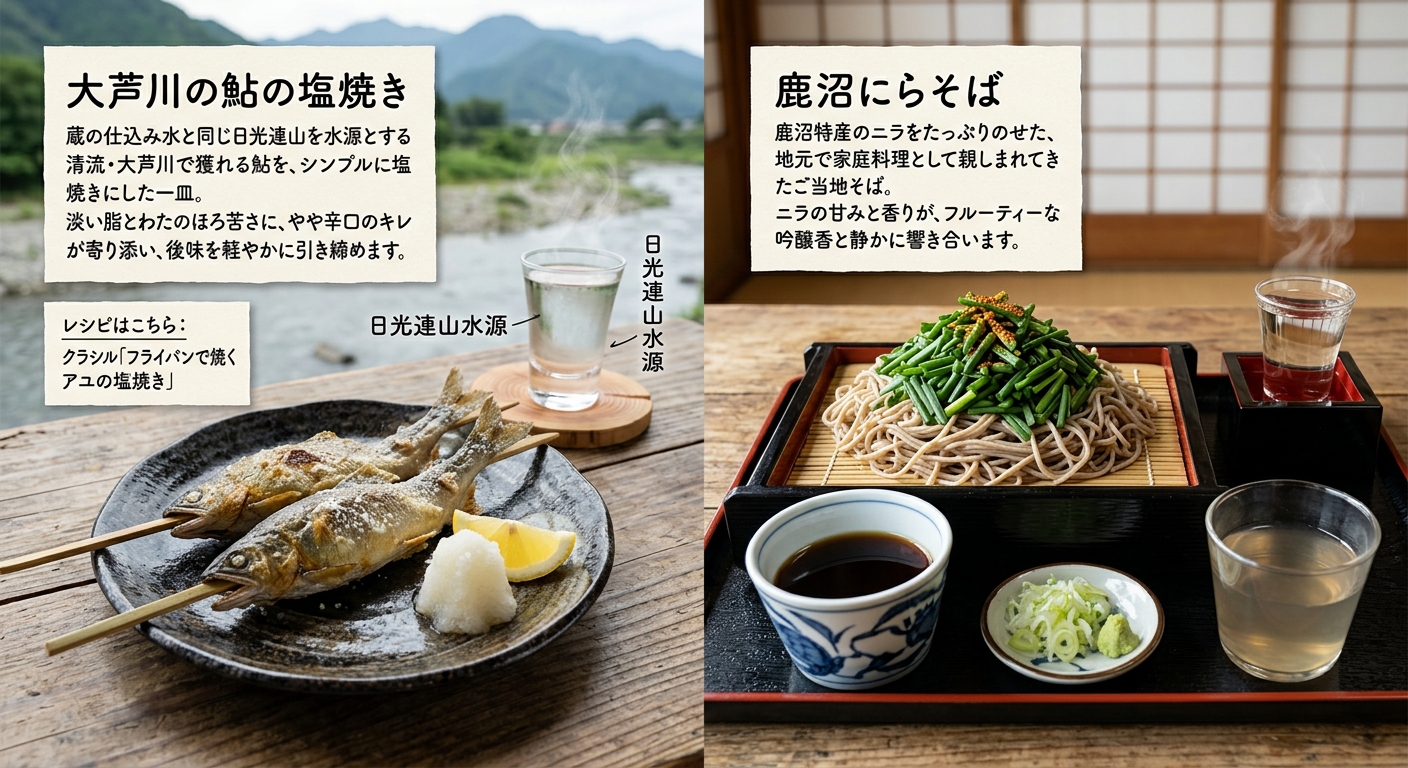
蔵の仕込み水と同じ日光連山を水源とする清流・大芦川で獲れる鮎を、シンプルに塩焼きにした一皿。淡い脂とわたのほろ苦さに、やや辛口のキレが寄り添い、後味を軽やかに引き締めます。
レシピはこちら:クラシル「フライパンで焼く アユの塩焼き」
- 鹿沼にらそば
鹿沼特産のニラをたっぷりのせた、地元で家庭料理として親しまれてきたご当地そば。ニラの甘みと香りが、フルーティーな吟醸香と静かに響き合います。
科学的にひとこと:鮎のわたに含まれる苦味成分や、焼き目が生む香ばしい香気成分は、吟醸系の酒に含まれる華やかな香り成分と共鳴しやすく、川魚特有の香りをやわらげてくれます。ニラなどネギ属野菜の香り成分は加熱すると甘みを帯びた香りに変わり、キレのある辛口の後味とともに、すっきりとした余韻を残してくれます。
この蔵をたずねるなら
前日光醸造所(小林醸造)
栃木県鹿沼市上粕尾393-1(旧・上粕尾小学校)/東北自動車道 鹿沼ICから車で約40分。
廃校の体育館を改装した、山あいの醸造所です。
近くの観光スポット
- 古峯神社(こみねじんじゃ)・古峯園/鹿沼市草久|蔵から車で約20分・約13km
日本武尊を祀り、天狗の社としても知られる神社。回遊式の日本庭園「古峯園(こほうえん)」を散策できます。
近くの温泉
- 前日光つつじの湯交流館/鹿沼市入粟野|蔵から車で約10分・約6km
前日光の山なみを背にした木造の日帰り温泉。アルカリ性単純硫黄泉の「美人の湯」で、深山を望む露天風呂があります。10:00〜18:00、火曜休、大人600円です。
※営業時間・定休日・日帰り入浴の可否は変わることがあります。おでかけ前に各施設の公式情報をご確認ください。
ひとことメモ(日本酒の用語)
- 純米吟醸酒:精米歩合60%以下まで磨いた米を低温でじっくり発酵させた純米酒。華やかな香りが特徴です。
- 精米歩合:玄米を削り、残った部分の割合。数値が低いほど、米を多く磨いていることを示します。
参考
内容に誤りがございましたら、お手数ですが info@soundrecords.jp までご連絡いただけますと幸いです。
Today’s Pairing
- Sake: Junmai Ginjo “Kanuma Musume” — 100% Kanuma City-grown rice, rice-polishing ratio (seimai buai) 55%, 16% alcohol / Kobayashi Jozo Co., Ltd., Mae-Nikko Brewery (393-1 Kamikasuo, Kanuma City, Tochigi Prefecture)
Official site: https://smallforest.co.jp/
- Kayoukyoku (classic Japanese popular song): “Ishimatsu Otoko-bushi” (“Ishimatsu’s Man’s Ballad”) by Guts Ishimatsu, 1974
YouTube: https://www.youtube.com/watch?v=K1Z2PHint48
▶ If the player above doesn’t play, open it on YouTube
The Story of the Brewery
Mae-Nikko Brewery is run by Kobayashi Jozo Co., Ltd., which grew out of Kobayashi Saketen, a sake retailer founded in Kanuma City in 1955. Kobayashi Ichizo, the shop’s second-generation owner, studied fermentation science at Tokyo University of Agriculture and had long dreamed of running his own brewery. In 2021, he took over Ikeshima Shuzo, a brewery in Otawara City, Tochigi, founded in 1907 under the label “Ikenishiki,” whose owner had been searching for a successor. The company was renamed Kobayashi Jozo. Ikeshima Shuzo’s founding family motto — “the master should enter the brewery himself” — is still honored at the new brewery today.
In March 2023, the license to brew sake was transferred from Otawara City to Kanuma City. According to the Shimotsuke Shimbun newspaper, this marked the first time in 37 years that clear sake was brewed within Kanuma City itself, and, by some accounts, the first new sake-brewing license granted anywhere in Tochigi Prefecture in 51 years. In July 2024, the brewery began operating out of the gymnasium of Kanuma’s former Kamikasuo Elementary School, which had closed in 2017. Inside the red, barrel-roofed gym — about 550 square meters — a wooden koji room, brewing refrigerators, and even a rice-polishing facility are packed into a compact space. The doors of the new koji room were taken directly from Ikeshima Shuzo’s old one.
The brewery’s main business is custom-order brewing, where clients can choose their own yeast, rice-polishing ratio, and sweetness or dryness, in batches roughly a tenth the size of a typical regional brewery’s. And “Kanuma Musume,” a private-label brand Kobayashi Saketen had sold for years, has also been reborn here. The Junmai Ginjo in this pairing is brewed entirely from rice grown within Kanuma City, polished to 55%, using water drawn from Konomine Shrine. It comes in at 16% alcohol with a sake meter value (nihonshu-do) of +3.0 — on the dry side — and a fruity, fresh character.
The Story of the Land
Kamikasuo, where the brewery stands, was once its own village called Kasuo. In 1955, the villages of Awano, Kasuo, Nagano, and Kiyosu merged to form a new town, also named Awano. In 2006, that town of Awano was itself absorbed into Kanuma City.
Kiyosu village is where Guts Ishimatsu (born Suzuki Yuji), who died in June 2026 at age 76, was born. Kamikasuo and Kiyosu began as separate villages, but for roughly half a century, from 1955 to 2006, they shared the same town name of Awano. The water used to brew this sake flows down from the same foothills of the Nikko mountains where Guts spent his boyhood.
The Story of the Song
Guts Ishimatsu debuted as a professional boxer in 1966, training at the Yonekura Boxing Gym. On April 11, 1974, he knocked out Mexico’s Rodolfo Gonzales in the eighth round to win the WBC world lightweight title — becoming the first Asian boxer ever to hold that title.
“Ishimatsu Otoko-bushi” (lyrics by Fujita Masato, music by Sone Koumei) was released later that same year, on September 1, 1974 — a record made in the immediate afterglow of becoming a world champion, and a document of a young man at the height of his powers. Guts later became a beloved fixture of Japanese variety television, but 1974, the year this song was born, was, unmistakably, the year he stood at the top of the boxing world. He died of pneumonia on June 2, 2026, at age 76. On September 2, a memorial gathering was held at Tokyo’s Korakuen Hall, attended by more than 40 current and former world champions.
A film I was lucky enough to work on as music producer while he was alive.
▶ If the player above doesn’t play, open it on YouTube
At the preview screening he took it upon himself to host the event — a genuinely kind man.
Why This Pairing
Kamikasuo and Kiyosu: two places that once shared the name of the same town, Awano. In one, sake brewing, once lost, has quietly returned after nearly half a century. In the other, a man born there passed away in 2026. One thing came back; the other will not. Raising a glass of sake from a place that shares its name with his birthplace feels like a way to hold both of those facts at once.
“Ishimatsu Otoko-bushi” is a proud record from the single year Guts Ishimatsu stood at the peak of his life. It’s easy to lose sight of behind the comic persona he later became known for, but listening to it now, you can still feel the heat of a young man from the hills of Tochigi reaching the top of the world. A sake that has returned to its hometown, and a man who left his hometown for the world — quietly, but deliberately, this felt like a pairing worth setting side by side.
Where to Find This Bottle
The Rakuten Ichiba link below is an affiliate link.
Note: the links above lead to Japan-based retailers. They’re most convenient for readers in Japan, or for those elsewhere who are able to arrange international shipping. Stock and availability change over time, so if you’re near a specialty sake shop, it’s well worth asking for this label by name.
🌡️ Recommended way to drink it: Well chilled, or at room temperature. Chilling brings out its fresh, fruity aroma, while room temperature lets the rice’s umami and dry finish unfold more gently.
Pairing Dishes Worth Trying
- Salt-grilled ayu from the Oashi River
Ayu (sweetfish) caught in the Oashi River, which flows down from the same Nikko mountains as the brewery’s water source, simply grilled with salt. The fish’s delicate fat and the faint bitterness of its innards are met by the sake’s dry, clean finish.
Recipe (in Japanese): Kurashiru, “Pan-Grilled Salted Ayu”
- Kanuma-style nira soba
A local specialty: cold soba noodles topped with a generous helping of boiled nira (garlic chives), a crop Kanuma is known for. The chives’ sweetness and aroma echo the sake’s fruity ginjo fragrance.
A note on the science: the faint bitterness in ayu’s innards and the savory aromatics created by grilling resonate well with the bright aromatic compounds found in ginjo-style sake, softening the fish’s distinct river taste. The sulfur compounds found in alliums like nira turn sweeter-smelling once heated, pairing well with the sake’s crisp, dry finish and leaving a clean aftertaste.
Visiting the Brewery
Maenikko Brewery (Kobayashi Jozo)
393-1 Kamikasuo, Kanuma City, Tochigi (the former Kamikasuo Elementary School). About 40 min by car from Kanuma IC on the Tohoku Expressway.
A brewery in a converted school gymnasium, up in the hills.
Sights Nearby
- Komine Shrine and Kohoen Garden / Kanuma City | ~20 min, ~13 km by car from the brewery
A shrine dedicated to Yamato Takeru, also known as a shrine of the tengu. Its stroll-style Japanese garden, “Kohoen,” is open to walk through.
Hot Springs Nearby
- Maenikko Tsutsuji-no-Yu / Kanuma City | ~10 min, ~6 km by car from the brewery
A wooden day-use hot spring set against the Maenikko mountains. An alkaline simple sulfur “beauty bath,” with an open-air bath looking out over deep-mountain scenery. 10:00-18:00, closed Tuesdays, ¥600 for adults.
Opening hours, closing days and day-use bathing availability can change. Please check each facility’s official information before visiting.
A Quick Glossary of Sake Terms
- Junmai Ginjo: A junmai (rice-only, no added alcohol) sake made from rice polished to 60% or less and fermented slowly at low temperatures, prized for its fragrant aroma.
- Seimai buai (rice-polishing ratio): The percentage of the original grain remaining after milling. The lower the number, the more the rice has been polished down.
Sources
If you notice any errors in this article, please don’t hesitate to reach out at info@soundrecords.jp.
コメントを残す