この記事を耳で聞く
表示中の言語で読み上げます。音声は端末の設定によって異なります。
今日のペアリング
- クラフトビール:宮島ビール「ヴァイツェン」/南ドイツ発祥のヴァイツェンスタイル・アルコール分5.0%・IBU20未満/MIYAJIMA BEER株式会社(広島県廿日市市宮島町459-2)
公式サイト:https://miyajimabeer.com/ - 音楽:小柳ルミ子「瀬戸の花嫁」(1972年)/作詞:山上路夫、作曲:平尾昌晃
YouTube:https://www.youtube.com/watch?v=1tsdlNUg_1Q
▶ 上のプレーヤーで再生できない場合は、YouTubeで開く
醸造所の話
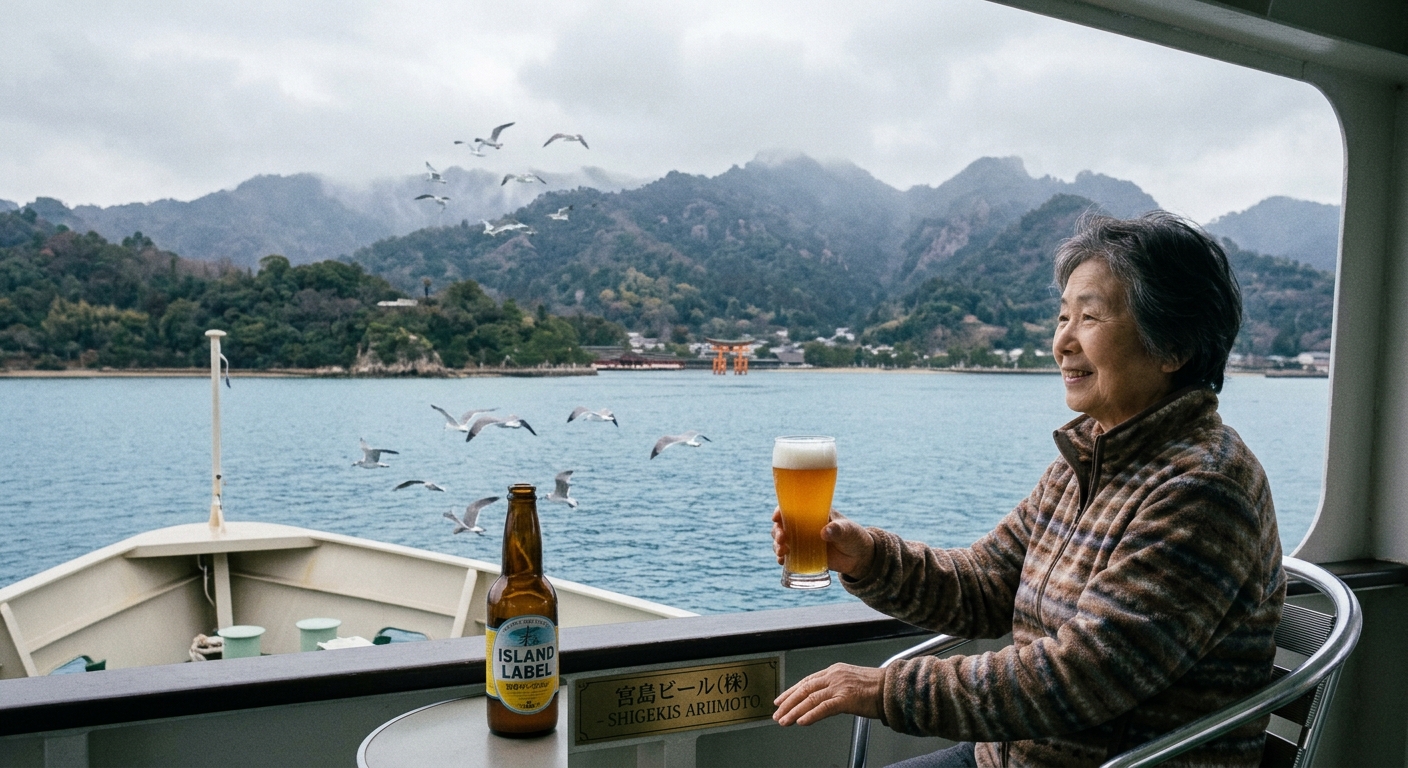
宮島ビールを造るMIYAJIMA BEER株式会社(旧・株式会社宮島ビール)は、2010年3月19日の設立です。代表取締役の有本茂樹さんは、宮島の老舗旅館の20代目として育ちました。公式サイトの「STORY」によれば、先代が亡くなったあと旅館は廃業し、有本さんは外資系金融機関のサラリーマンになっていましたが、2009年、その会社が日本から撤退することが決まり、退職勧奨を受けます。これが人生の転機になりました。
帰省したとき、消費不況の煽りを受けて元気を失いつつある故郷のいくつもの店を目にしたことで、一念発起。旧旅館の敷地――駐車場になっていた場所――を使って、「新しい名物をプロデュースして地域の活性化に繋げたい」と起業を決めます。最後に背中を押したのは母の言葉でした。「有本」という姓は「有之浦の本家」という意味で、先祖から受け継いだもの。そう聞いたことが、宮島の発展に人生を捧げる決意につながったといいます。サンフランシスコで飲んだクラフトビールに感動していた経験も、造る側に回る動機のひとつでした。
最初の商品は新潟麦酒の協力を得て、10回以上の試作、3か月以上の期間をかけて完成させ、300人以上がテイスティングに参加したと公式サイトは記します。長く委託醸造だった宮島ビールは、2018年から宮島島内での自社醸造を始めました。日本産ホップ推進委員会のサイトによれば、仕込み水の一部には、世界文化遺産に登録された弥山原始林の伏流水を使っています。いまの定番「ISLAND LABEL」は、弥山DRAGON IPA(Hazy IPA)、BEST WISHES(Red IPA)、MIYAJIMA WEIZEN、そして宮島産の牡蠣むき身と牡蠣殻を使うMIYAJIMA OYSTER STOUTの4種。直営の「MIYAJIMA BREWERY」(宮島町459-2、1階がビアスタンド・ショップ、10:30〜17:00)では、この自家醸造の生ビールをその場で飲めます。
ここで、正直に書いておきたいことがあります。今回合わせる「ヴァイツェン」のうち、楽天市場やAmazonで買える350ml缶(24本セット)は、宮島で仕込まれたものではありません。缶に「沖縄ヘリオス酒造醸造」と明記されている通り、沖縄県名護市のヘリオス酒造が委託醸造し、宮島ビールが企画・販売する商品です。島に渡って飲む一杯と、通販で届く一杯は、同じ名前・同じレシピの流れを汲みながら、生まれた場所が違う。これは珍しいことではなく、小さなクラフトビールの蔵が全国規模の缶詰めを自前の設備だけで抱えきれないときに、よくある形です。むしろ今回は、この「遠くから渡ってきた一杯」という事実が、あとで合わせる曲とまっすぐにつながってきます。
土地の話
宮島には橋がありません。本州側の宮島口から、フェリーで渡るしかない島です。1996年12月5日、嚴島神社の社殿とその前面の海、背後の弥山原始林を含む431.2ヘクタール――島全体の約14パーセント――が、ユネスコの世界文化遺産に登録されました。日本三景のひとつにも数えられ、海に浮かぶ大鳥居は、国内外から訪れる人の多くが真っ先に思い浮かべる光景です。
醸造所がある場所も、この島の中です。宮島桟橋から表参道商店街を7分歩いたあたりに、MIYAJIMA BREWERYの直営店があります。同じ道をそのまま進めば嚴島神社、少し足を延ばせば弥山原始林のふもとの紅葉谷公園。つまりこのビールを、できたての状態で飲みたいと思ったら、読者は誰でも一度、海を渡らなければなりません。
そして、瀬戸内海という場所そのものが、今回合わせる曲の生まれた場所でもあります。次の章で詳しく触れますが、「瀬戸の花嫁」の作詞者は、宮島ではなく広島県尾道から四国へ向かう船の中で見た景色を思い浮かべて、この曲を書きました。宮島も尾道も、同じ瀬戸内海に浮かぶ、広島県の景色です。
音楽の話
小柳ルミ子は宝塚歌劇団出身で、1971年に歌手デビュー。「わたしの城下町」が大ヒットし、その年の歌手生活をスタートさせます。「瀬戸の花嫁」は1972年4月10日発売の4枚目のシングルで、作詞は山上路夫、作曲は平尾昌晃、編曲は森岡賢一郎。レコード会社はワーナー・パイオニア(リプリーズ・レコード扱い)。Wikipediaによれば、オリコンの週間チャートで1位を獲得し、1972年度の年間チャートでは2位。第3回日本歌謡大賞で大賞、第14回日本レコード大賞では歌唱賞を受けています。
この曲は「ディスカバー・ジャパン路線」――国鉄が1970年代に展開した、日本国内の旅と郷土を見つめ直す観光キャンペーンの流れ――に乗った、瀬戸内海をテーマにしたご当地ソングです。興味深いのは、Wikipediaが記す作詞の経緯。山上路夫さんは瀬戸内海の島を直接訪れたことはなく、仕事で四国へ向かうとき、広島県尾道から水中翼船に何度も乗った、その船内から見た段々畑と、夕焼けに染まる島々の景色が印象に残り、それを思い浮かべて詞を書いたといいます。歌詞が描く島は、特定の実在の島を指すわけではなく、瀬戸内海を渡る船の上から見た記憶の集合体なのです。
歌われているのは、瀬戸内海の小さな島へ嫁ぐ花嫁の心情と、新しい生活への決意。故郷を離れ、海を渡って、知らない場所で新しい暮らしを始める――その緊張と覚悟が、曲の底を流れています。
なぜこの組み合わせなのか
まず、場所が重なります。宮島も、作詞者が景色を見た尾道も、同じ広島県、同じ瀬戸内海です。「瀬戸の花嫁」が描く夕焼けの島々の景色は、特定の一島を指していませんが、宮島もまさにそうした瀬戸内海の島のひとつです。
次に、海を渡るという行為そのものが、両者をつないでいます。宮島には橋がなく、訪れる人は誰でもフェリーで海を渡ります。「瀬戸の花嫁」の花嫁も、故郷の島を離れ、海を渡って新しい生活に向かいます。方向は逆――花嫁は島から出ていき、宮島ビールを飲みたい人は島に入っていく――ですが、どちらも海を渡ることが、新しい何かの始まりになっている点は同じです。
そしてもうひとつ、醸造所の有本茂樹さん自身の歩みが、歌の構図を裏返しにしたような形をしています。花嫁は故郷の島を離れて知らない場所へ向かいますが、有本さんは逆に、外資系金融機関の仕事という「島の外」の暮らしから、先代が亡くなり旅館を閉じた故郷・宮島へ戻ってきました。離れていく決意の歌に、戻ってくる決意で造られたビールを合わせる。これは、ただ場所が重なっているだけでなく、「海を渡って人生の節目を迎える」という構図そのものが重なっている組み合わせです。
最後に、もうひとつ小さな符合があります。読者の手元に届く350ml缶のヴァイツェンは、宮島で仕込まれたものではなく、沖縄・名護市のヘリオス酒造が委託醸造したものでした。つまりこの一本は、瀬戸内海ではなく、日本列島をほぼ縦断する距離を、すでに海を渡って届いています。花嫁が歌の中で海を渡るように、グラスの中の一杯も、ここに来るまでに一度、海を渡ってきている。宮島という「海でしか渡れない場所」で生まれた名前を持つビールが、実際には海の彼方からやってくる――この少しねじれた事実が、今回の組み合わせに、もうひと重の奥行きを加えています。
この一杯を、探すなら
- 醸造所の公式サイト:https://miyajimabeer.com/
- 楽天市場で買う:「宮島ビール ヴァイツェン」の商品ページを見る(350ml×24本・14,467円)
※楽天市場へのリンクは広告(アフィリエイト)です。醸造所がタップルームや直営店を持っている場合は、できたてを現地で味わうのが一番のおすすめです。
合わせたい「アテ」
- あなご飯
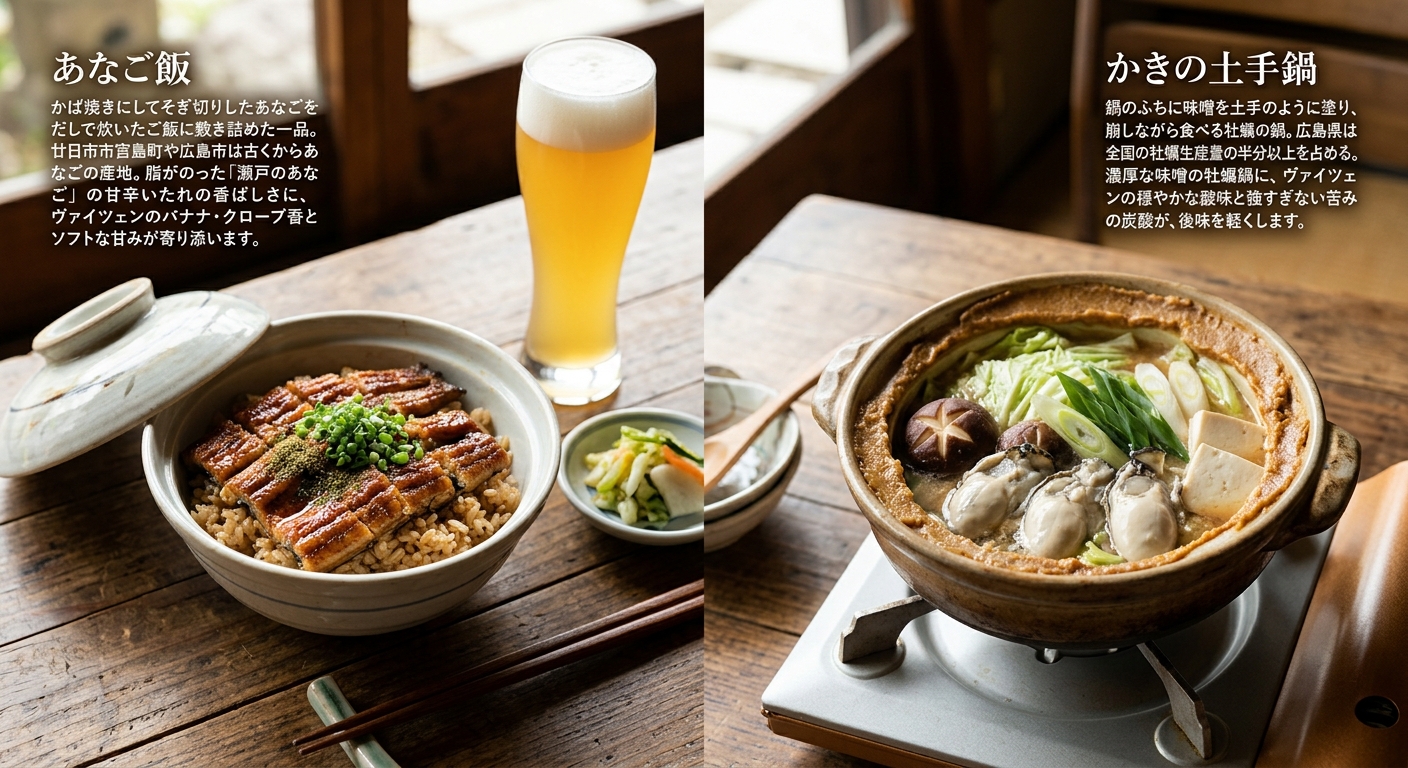
農林水産省「うちの郷土料理」によれば、あなごをかば焼きにしてそぎ切りし、だしで炊いたご飯に敷き詰めた一品。廿日市市宮島町や広島市は古くからあなごの産地で、江戸時代の地誌にも記録が残ります。廿日市市大野瀬戸周辺のあなごは「瀬戸のあなご」と呼ばれ、脂がのって風味に優れるとされます。発祥は明治34年、宮島口駅近くの駅弁。甘辛いたれの香ばしさに、ヴァイツェンのバナナ・クローブ香とソフトな甘みが寄り添います。
レシピはこちら:クラシル「彩りあなご飯」 - かきの土手鍋
同じく農林水産省「うちの郷土料理」が、広島市・江田島市・宮島・呉・音戸地方などに伝わる郷土料理として挙げる、鍋のふちに味噌を土手のように塗り、崩しながら味を調えていく牡蠣の鍋。広島県は全国の牡蠣生産量の半分以上を占めます。濃厚な味噌の牡蠣鍋に、ヴァイツェンの穏やかな酸味と強すぎない苦みの炭酸が、後味を軽くしてくれます。
レシピはこちら:クラシル「アツアツ 牡蠣の味噌土手鍋」
科学的にひとこと:ヴァイツェンのバナナ香・クローブ香は、麦芽ではなく酵母が発酵中につくる香り(それぞれ酢酸イソアミル、4-ビニルグアイアコール)です。ホップの苦みが控えめなので、牡蠣や穴子の繊細な旨味・甘辛いたれの風味とぶつからず、炭酸と穏やかな酸味だけが脂と塩味を軽く流してくれます。
この醸造所をたずねるなら
MIYAJIMA BREWERY(MIYAJIMA BEER株式会社 直営店)
〒739-0588 広島県廿日市市宮島町459-2/宮島桟橋から徒歩7分、お土産屋が並ぶ表参道商店街を抜けたあたりです。1階はビアスタンド・ショップ(10:30〜17:00)で、自家醸造の生ビールをその場で飲めます。
ただし、楽天市場やAmazonで届く350ml缶のヴァイツェンは、ここで仕込まれたものではありません。缶製品は沖縄・名護市のヘリオス酒造が委託醸造したもので、宮島ビールが企画・販売しています。島へ渡って飲む一杯と、家に届く一杯は、同じ名前でも生まれた場所が違います。
近くの観光スポット
- 嚴島神社/廿日市市宮島町|醸造所から表参道商店街をそのまま歩いて、すぐ
社殿の大部分が海の上に建つ、世界文化遺産の神社。1996年、背後の弥山原始林とともに431.2ヘクタールが世界遺産に登録されました。宮島観光協会の観光モデルコースによれば、宮島桟橋から海辺の御笠浜まで徒歩10分、そこから神社まで2分(計約12分)。醸造所は桟橋と神社を結ぶ同じ道筋の途中にあるので、ここからはそれよりずっと近い距離です。拝観料は大人300円・高校生200円・小中学生100円(公式サイトより)。開門時間は季節で変わり、年中無休です。 - 紅葉谷公園/廿日市市宮島町|醸造所からさらに歩いてすぐ
弥山原始林のふもとに広がる、宮島随一の紅葉の名所。紅葉谷川沿いには、昭和23〜25年の災害復旧工事で造られた「庭園砂防」という、巨石を壊さずに組んで日本庭園のように仕立てた砂防施設が今も残っています。入園は無料・散策自由。宮島観光協会の公式ブログによれば、宮島桟橋から徒歩15分です。
近くの温泉
- リブマックスリゾート安芸宮島/廿日市市宮島町|醸造所と同じ参道筋、歩いてすぐ
宮島島内では珍しい自家源泉の天然温泉「神の湯」。展望露天風呂からは嚴島神社の大鳥居を望めます。公式サイトによれば、宮島桟橋から厳島神社方面へ徒歩約10分の場所(宮島町魚之棚町634)。日帰り入浴は8:00〜11:00(最終受付10:30)と15:00〜24:00(最終受付22:00)の2部制。入浴料は大人1,100円・小学生800円・未就学児無料(タオルセットは別途300円)。公式サイトは「宿泊者の混雑や悪天候、メンテナンスにより、日帰り入浴をお断りする場合がある」と注記しているので、訪問前に確認するのがおすすめです。
※営業時間・定休日・日帰り入浴の可否は変わることがあります。おでかけ前に各施設の公式情報をご確認ください。
ひとことメモ(ビールの用語)
- クラフトビール:小規模な醸造所が、造り手の個性を前面に出して仕込むビールの総称。大量生産の均一な味とは別の方向を目指しています。
- ヴァイツェン:小麦を多く使う南ドイツ発祥の白いエール。バナナや丁子(クローブ)を思わせる香りが酵母から生まれます。
- ホップ:ビールに苦みと香りを与えるつる性植物の毬花(まりばな)。品種によって、柑橘・トロピカルフルーツ・草原のように香りが変わります。
- モルト:発芽させた大麦(麦芽)のこと。ビールの甘み・色・コクの土台になり、焙煎の深さで色と香ばしさが決まります。
- ABV:アルコール度数(Alcohol By Volume)のこと。ビールでは5%前後が標準で、8%を超えると飲みごたえのある「強め」の部類になります。
- IBU:苦みの強さを表す国際的な数値。10前後だとほとんど苦みを感じず、60を超えるとはっきり苦いIPAの領域です。
参考
- 宮島ビール 公式サイト
- 宮島ビールラインナップ|宮島ビール 公式サイト
- STORY|宮島ビール 公式サイト
- 会社概要|宮島ビール 公式サイト
- 買える店・飲める店|宮島ビール 公式サイト
- ABOUT US|MIYAJIMA BREWERY 公式サイト
- 宮島ブルワリー|日本産ホップ推進委員会
- vol.25 株式会社宮島ビール有本茂樹さん|広報はつかいち(廿日市市)
- 宮島ビール ヴァイツェン缶350ml×24本(沖縄ヘリオス酒造醸造)|Yahoo!ショッピング
- 瀬戸の花嫁 – Wikipedia
- 御由緒・拝観|嚴島神社 公式サイト
- 宮島は歩いて観光するのが最もラク|一般社団法人宮島観光協会
- 3時間観光コース|一般社団法人宮島観光協会
- 宮島の紅葉は11月が見ごろ|一般社団法人宮島観光協会
- アクセス|LiVEMAX RESORT 安芸宮島 公式サイト
- Day Trip Use|LiVEMAX RESORT Aki Miyajima Official Site
- あなご飯(広島県)|農林水産省「うちの郷土料理」
- かきの土手鍋(広島県)|農林水産省「うちの郷土料理」
内容に誤りがございましたら、お手数ですが info@soundrecords.jp までご連絡いただけますと幸いです。
오늘의 페어링
- 크래프트 비어:미야지마 비어 「바이젠」/남독일에서 시작된 바이젠 스타일・알코올분 5.0%・IBU 20 미만/MIYAJIMA BEER 주식회사(히로시마현 하쓰카이치시 미야지마초 459-2)
공식 사이트:https://miyajimabeer.com/ - 음악:고야나기 루미코 「세토의 신부」(1972년)/작사:야마카미 미치오, 작곡:히라오 마사아키
YouTube:https://www.youtube.com/watch?v=1tsdlNUg_1Q
▶ 위 플레이어에서 재생되지 않을 경우에는 YouTube에서 열기
양조장 이야기
미야지마 비어를 만드는 MIYAJIMA BEER 주식회사(구・주식회사 미야지마 비어)는 2010년 3월 19일에 설립되었습니다. 대표이사 아리모토 시게키 씨는 미야지마의 오래된 료칸의 20대째로 자랐습니다. 공식 사이트의 「STORY」에 따르면, 선대가 세상을 떠난 뒤 료칸은 문을 닫았고 아리모토 씨는 외국계 금융기관의 회사원이 되어 있었지만, 2009년 그 회사가 일본에서 철수하기로 결정되면서 퇴직 권고를 받습니다. 이것이 인생의 전환점이 되었습니다.
고향에 돌아왔을 때, 소비 불황의 여파로 활기를 잃어 가는 고향의 여러 가게를 목격한 것이 계기가 되어 결심을 굳힙니다. 옛 료칸 부지――주차장이 되어 있던 자리――를 활용해 「새로운 명물을 만들어 지역 활성화로 잇고 싶다」며 창업을 결심합니다. 마지막으로 등을 떠민 것은 어머니의 말이었습니다. 「아리모토」라는 성은 「아리노우라의 종가」라는 뜻으로, 조상에게서 물려받은 것이다. 그 말을 들은 것이 미야지마의 발전에 인생을 바치겠다는 결심으로 이어졌다고 합니다. 샌프란시스코에서 마신 크래프트 비어에 감동했던 경험도, 만드는 쪽으로 돌아선 동기 가운데 하나였습니다.
첫 상품은 니가타 맥주의 협력을 얻어 10회 이상의 시제품 제작과 3개월 이상의 기간을 들여 완성했고, 300명 이상이 시음에 참여했다고 공식 사이트는 적고 있습니다. 오랫동안 위탁 양조를 해 온 미야지마 비어는 2018년부터 미야지마 섬 안에서의 자사 양조를 시작했습니다. 일본산 홉 추진위원회의 사이트에 따르면, 담금물의 일부에는 세계문화유산으로 등록된 미센 원시림의 복류수를 사용하고 있습니다. 현재의 정규 라인업 「ISLAND LABEL」은 미센 DRAGON IPA(Hazy IPA), BEST WISHES(Red IPA), MIYAJIMA WEIZEN, 그리고 미야지마산 굴 알맹이와 굴 껍데기를 사용하는 MIYAJIMA OYSTER STOUT의 4종입니다. 직영점 「MIYAJIMA BREWERY」(미야지마초 459-2, 1층이 비어 스탠드・숍, 10:30〜17:00)에서는 이 자가 양조 생맥주를 그 자리에서 마실 수 있습니다.
여기서 솔직하게 적어 두고 싶은 것이 있습니다. 이번에 맞춘 「바이젠」 가운데, 라쿠텐 시장이나 아마존에서 살 수 있는 350ml 캔(24개 세트)은 미야지마에서 담근 것이 아닙니다. 캔에 「오키나와 헬리오스 주조 양조」라고 명기되어 있는 대로, 오키나와현 나고시의 헬리오스 주조가 위탁 양조하고 미야지마 비어가 기획・판매하는 상품입니다. 섬에 건너가 마시는 한 잔과 통신판매로 도착하는 한 잔은, 같은 이름・같은 레시피의 흐름을 이으면서도 태어난 장소가 다릅니다. 이것은 드문 일이 아니라, 작은 크래프트 비어 양조장이 전국 규모의 캔 제품을 자사 설비만으로 감당하기 어려울 때 흔히 있는 형태입니다. 오히려 이번에는 이 「멀리서 바다를 건너온 한 잔」이라는 사실이, 뒤에서 맞출 곡과 곧바로 이어집니다.
고장 이야기
미야지마에는 다리가 없습니다. 혼슈 쪽 미야지마구치에서 페리로 건널 수밖에 없는 섬입니다. 1996년 12월 5일, 이쓰쿠시마 신사의 사전과 그 앞의 바다, 뒤편의 미센 원시림을 포함한 431.2헥타르――섬 전체의 약 14퍼센트――가 유네스코 세계문화유산으로 등록되었습니다. 일본 삼경의 하나로도 꼽히며, 바다에 떠 있는 큰 도리이는 국내외에서 찾아오는 사람들 대부분이 가장 먼저 떠올리는 풍경입니다.
양조장이 있는 곳도 이 섬 안입니다. 미야지마 선착장에서 오모테산도 상점가를 7분 걸은 지점에 MIYAJIMA BREWERY 직영점이 있습니다. 같은 길을 그대로 가면 이쓰쿠시마 신사, 조금 더 발걸음을 옮기면 미센 원시림 기슭의 모미지다니 공원입니다. 즉 이 맥주를 갓 만든 상태로 마시고 싶다면, 독자는 누구든 한 번은 바다를 건너야 합니다.
그리고 세토 내해라는 장소 자체가, 이번에 맞출 곡이 태어난 장소이기도 합니다. 다음 장에서 자세히 다루지만, 「세토의 신부」의 작사가는 미야지마가 아니라 히로시마현 오노미치에서 시코쿠로 향하는 배 안에서 본 풍경을 떠올리며 이 곡을 썼습니다. 미야지마도 오노미치도, 같은 세토 내해에 떠 있는 히로시마현의 풍경입니다.
음악 이야기
고야나기 루미코는 다카라즈카 가극단 출신으로 1971년에 가수 데뷔했습니다. 「나의 성 아랫마을」이 크게 히트하며 그해 가수 생활을 시작합니다. 「세토의 신부」는 1972년 4월 10일 발매된 4번째 싱글로, 작사는 야마카미 미치오, 작곡은 히라오 마사아키, 편곡은 모리오카 겐이치로입니다. 음반사는 워너 파이오니어(리프리즈 레코드 취급). 위키피디아에 따르면 오리콘 주간 차트에서 1위를 차지했고, 1972년도 연간 차트에서는 2위. 제3회 일본가요대상에서 대상, 제14회 일본레코드대상에서는 가창상을 받았습니다.
이 곡은 「디스커버 재팬 노선」――국철이 1970년대에 펼친, 일본 국내의 여행과 향토를 다시 바라보자는 관광 캠페인의 흐름――에 올라탄, 세토 내해를 주제로 한 고장 노래입니다. 흥미로운 것은 위키피디아가 적고 있는 작사의 경위입니다. 야마카미 미치오 씨는 세토 내해의 섬을 직접 찾은 적이 없고, 일 때문에 시코쿠로 향할 때 히로시마현 오노미치에서 수중익선을 여러 번 탔는데, 그 배 안에서 본 계단식 밭과 노을에 물든 섬들의 풍경이 인상에 남아 그것을 떠올리며 가사를 썼다고 합니다. 가사가 그리는 섬은 특정한 실재의 섬을 가리키는 것이 아니라, 세토 내해를 건너는 배 위에서 본 기억의 집합체인 것입니다.
노래하고 있는 것은 세토 내해의 작은 섬으로 시집가는 신부의 심정과, 새로운 생활을 향한 각오입니다. 고향을 떠나 바다를 건너, 모르는 곳에서 새로운 삶을 시작한다――그 긴장과 각오가 곡의 밑바닥에 흐르고 있습니다.
왜 이 조합인가
먼저 장소가 겹칩니다. 미야지마도, 작사가가 풍경을 본 오노미치도, 같은 히로시마현이자 같은 세토 내해입니다. 「세토의 신부」가 그리는 노을 진 섬들의 풍경은 특정한 한 섬을 가리키지 않지만, 미야지마도 바로 그런 세토 내해의 섬 가운데 하나입니다.
다음으로, 바다를 건넌다는 행위 자체가 양쪽을 잇고 있습니다. 미야지마에는 다리가 없어 찾아오는 사람은 누구나 페리로 바다를 건넙니다. 「세토의 신부」의 신부도 고향의 섬을 떠나 바다를 건너 새로운 생활로 향합니다. 방향은 반대――신부는 섬에서 나가고, 미야지마 비어를 마시고 싶은 사람은 섬으로 들어갑니다――이지만, 둘 다 바다를 건너는 일이 새로운 무언가의 시작이 된다는 점은 같습니다.
그리고 또 하나, 양조장의 아리모토 시게키 씨 자신의 발걸음이 노래의 구도를 뒤집어 놓은 듯한 모양을 하고 있습니다. 신부는 고향의 섬을 떠나 모르는 곳으로 향하지만, 아리모토 씨는 반대로 외국계 금융기관의 일이라는 「섬 바깥」의 삶에서, 선대가 세상을 떠나 료칸을 닫은 고향 미야지마로 돌아왔습니다. 떠나가는 각오의 노래에, 돌아오는 각오로 만들어진 맥주를 맞춘다. 이것은 단지 장소가 겹칠 뿐 아니라, 「바다를 건너 인생의 마디를 맞는다」는 구도 자체가 겹치는 조합입니다.
마지막으로 또 하나 작은 부합이 있습니다. 독자의 손에 도착하는 350ml 캔 바이젠은 미야지마에서 담근 것이 아니라, 오키나와 나고시의 헬리오스 주조가 위탁 양조한 것이었습니다. 즉 이 한 병은 세토 내해가 아니라 일본 열도를 거의 종단하는 거리를, 이미 바다를 건너 도착해 있습니다. 신부가 노래 속에서 바다를 건너듯, 잔 속의 한 잔도 여기에 오기까지 한 번 바다를 건너온 것입니다. 미야지마라는 「바다로만 건널 수 있는 곳」에서 태어난 이름을 가진 맥주가, 실제로는 바다 저편에서 찾아온다――이 조금 비틀린 사실이 이번 조합에 한 겹의 깊이를 더해 줍니다.
이 한 잔을 찾는다면
- 양조장 공식 사이트:https://miyajimabeer.com/
- 라쿠텐 시장에서 구매하기:「宮島ビール ヴァイツェン」 상품 페이지 보기(350ml×24本・14,467円)
※라쿠텐 시장으로의 링크는 광고(제휴 링크)입니다. 양조장이 탭룸이나 직영점을 가지고 있는 경우에는, 갓 만든 것을 현지에서 맛보는 것이 가장 좋습니다.
🌡️ 추천하는 마시는 법(온도와 글라스):6〜8℃ 정도에서 조금 높은 쪽으로. 바이젠은 본래 바닥에 가라앉은 효모까지 함께 마시는 스타일이므로, 따르기 전에 병이나 캔을 가볍게 돌리고, 세로로 길고 입구가 좁아지는 「바이젠 글라스」에 거품을 충분히 세워 끝까지 따라 주세요. 바나나나 정향을 떠올리게 하는 향이, 미지근해질수록 풍부하게 열립니다.
어울리는 「안주」
- 아나고메시(붕장어 덮밥)농림수산성 「우리 고장의 향토 요리」에 따르면, 붕장어를 양념구이로 구워 저며 썰어 다시로 지은 밥 위에 깔아 놓은 음식입니다. 하쓰카이치시 미야지마초와 히로시마시는 예부터 붕장어 산지로, 에도 시대의 지지에도 기록이 남아 있습니다. 하쓰카이치시 오노세토 주변의 붕장어는 「세토의 붕장어」라 불리며 기름이 올라 풍미가 뛰어나다고 합니다. 시작은 메이지 34년, 미야지마구치역 근처의 역 도시락이었습니다. 달고 짭짤한 양념의 고소함에, 바이젠의 바나나・정향 향과 부드러운 단맛이 다가섭니다.
레시피는 여기에:쿠라시루 「색이 고운 아나고메시」 - 굴 도테나베같은 농림수산성 「우리 고장의 향토 요리」가 히로시마시・에타지마시・미야지마・구레・온도 지방 등에 전해지는 향토 요리로 꼽는, 냄비 가장자리에 된장을 둑처럼 바르고 허물어 가며 맛을 맞추는 굴 냄비입니다. 히로시마현은 전국 굴 생산량의 절반 이상을 차지합니다. 진한 된장의 굴 냄비에, 바이젠의 부드러운 산미와 지나치게 강하지 않은 쓴맛의 탄산이 뒷맛을 가볍게 해 줍니다.
레시피는 여기에:쿠라시루 「뜨끈뜨끈 굴 된장 도테나베」
과학적으로 한마디:바이젠의 바나나 향・정향 향은 맥아가 아니라 효모가 발효 중에 만들어 내는 향입니다(각각 아세트산이소아밀, 4-비닐구아이아콜). 홉의 쓴맛이 절제되어 있어 굴이나 붕장어의 섬세한 감칠맛・달고 짭짤한 양념의 풍미와 부딪치지 않고, 탄산과 부드러운 산미만이 기름과 짠맛을 가볍게 씻어 줍니다.
이 양조장을 찾아간다면
MIYAJIMA BREWERY(MIYAJIMA BEER 주식회사 직영점)〒739-0588 히로시마현 하쓰카이치시 미야지마초 459-2/미야지마 선착장에서 도보 7분, 기념품 가게가 늘어선 오모테산도 상점가를 빠져나온 지점입니다. 1층은 비어 스탠드・숍(10:30〜17:00)으로, 자가 양조 생맥주를 그 자리에서 마실 수 있습니다.
다만, 라쿠텐 시장이나 아마존에서 도착하는 350ml 캔 바이젠은 여기서 담근 것이 아닙니다.캔 제품은 오키나와 나고시의 헬리오스 주조가 위탁 양조한 것으로, 미야지마 비어가 기획・판매하고 있습니다. 섬으로 건너가 마시는 한 잔과 집으로 도착하는 한 잔은, 같은 이름이라도 태어난 장소가 다릅니다.
근처의 관광 명소
- 이쓰쿠시마 신사/하쓰카이치시 미야지마초|양조장에서 오모테산도 상점가를 그대로 걸어서 바로사전의 대부분이 바다 위에 서 있는 세계문화유산 신사입니다. 1996년, 뒤편의 미센 원시림과 함께 431.2헥타르가 세계유산으로 등록되었습니다. 미야지마 관광협회의 관광 모델 코스에 따르면, 미야지마 선착장에서 바닷가의 미카사하마까지 도보 10분, 거기서 신사까지 2분(합계 약 12분)입니다. 양조장은 선착장과 신사를 잇는 같은 길 도중에 있으므로, 여기서는 그보다 훨씬 가까운 거리입니다. 참배료는 어른 300円・고등학생 200円・초중학생 100円(공식 사이트 기준). 개문 시간은 계절에 따라 바뀌며 연중무휴입니다.
- 모미지다니 공원/하쓰카이치시 미야지마초|양조장에서 조금 더 걸으면 바로미센 원시림 기슭에 펼쳐진, 미야지마 제일의 단풍 명소입니다. 모미지다니강을 따라서는 쇼와 23〜25년의 재해 복구 공사로 만들어진 「정원 사방」이라는, 큰 바위를 부수지 않고 쌓아 일본 정원처럼 꾸민 사방 시설이 지금도 남아 있습니다. 입장은 무료이고 산책은 자유입니다. 미야지마 관광협회의 공식 블로그에 따르면, 미야지마 선착장에서 도보 15분입니다.
근처의 온천
- 리브맥스 리조트 아키미야지마/하쓰카이치시 미야지마초|양조장과 같은 참배길, 걸어서 바로미야지마 섬 안에서는 드문 자가 원천의 천연 온천 「가미노유」입니다. 전망 노천탕에서는 이쓰쿠시마 신사의 큰 도리이를 바라볼 수 있습니다. 공식 사이트에 따르면, 미야지마 선착장에서 이쓰쿠시마 신사 방면으로 도보 약 10분 거리(미야지마초 우오노타나초 634)입니다. 당일 입욕은 8:00〜11:00(최종 접수 10:30)과 15:00〜24:00(최종 접수 22:00)의 2부제입니다. 입욕료는 어른 1,100円・초등학생 800円・미취학 아동 무료(타월 세트는 별도 300円). 공식 사이트는 「숙박객의 혼잡이나 악천후, 점검으로 인해 당일 입욕을 거절하는 경우가 있다」고 덧붙이고 있으므로, 방문 전에 확인하시기를 권합니다.
※영업시간・휴무일・당일 입욕 가능 여부는 바뀔 수 있습니다. 나들이 전에 각 시설의 공식 정보를 확인해 주세요.
한마디 메모(맥주 용어)
- 크래프트 비어:소규모 양조장이 만드는 이의 개성을 앞세워 담그는 맥주의 총칭입니다. 대량 생산의 균일한 맛과는 다른 방향을 지향합니다.
- 바이젠:밀을 많이 쓰는 남독일에서 시작된 흰 에일입니다. 바나나나 정향을 떠올리게 하는 향이 효모에서 생겨납니다.
- 홉:맥주에 쓴맛과 향을 주는 덩굴성 식물의 구화입니다. 품종에 따라 감귤・트로피컬 프루트・초원처럼 향이 달라집니다.
- 몰트:발아시킨 보리(맥아)를 말합니다. 맥주의 단맛・색・바디의 토대가 되며, 배전의 깊이로 색과 고소함이 정해집니다.
- ABV:알코올 도수(Alcohol By Volume)를 말합니다. 맥주에서는 5% 전후가 표준이며, 8%를 넘으면 마실 맛이 있는 「강한」 부류가 됩니다.
- IBU:쓴맛의 세기를 나타내는 국제적인 수치입니다. 10 전후면 쓴맛이 거의 느껴지지 않고, 60을 넘으면 뚜렷하게 쓴 IPA의 영역입니다.
참고
- 미야지마 비어 공식 사이트
- 미야지마 비어 라인업|미야지마 비어 공식 사이트
- STORY|미야지마 비어 공식 사이트
- 회사 개요|미야지마 비어 공식 사이트
- 살 수 있는 가게・마실 수 있는 가게|미야지마 비어 공식 사이트
- ABOUT US|MIYAJIMA BREWERY 공식 사이트
- 미야지마 브루어리|일본산 홉 추진위원회
- vol.25 주식회사 미야지마 비어 아리모토 시게키 씨|고호 하쓰카이치(하쓰카이치시)
- 미야지마 비어 바이젠 캔 350ml×24本(오키나와 헬리오스 주조 양조)|Yahoo!쇼핑
- 세토의 신부 – Wikipedia
- 유래・참배|이쓰쿠시마 신사 공식 사이트
- 미야지마는 걸어서 관광하는 것이 가장 편하다|일반사단법인 미야지마 관광협회
- 3시간 관광 코스|일반사단법인 미야지마 관광협회
- 미야지마의 단풍은 11월이 제철|일반사단법인 미야지마 관광협회
- 액세스|LiVEMAX RESORT 아키미야지마 공식 사이트
- Day Trip Use|LiVEMAX RESORT Aki Miyajima Official Site
- 아나고메시(히로시마현)|농림수산성 「우리 고장의 향토 요리」
- かきの土手鍋(히로시마현)|농림수산성 「우리 고장의 향토 요리」
내용에 잘못된 점이 있으면 번거로우시겠지만info@soundrecords.jp으로 연락해 주시면 감사하겠습니다.
コメントを残す