この記事を耳で聞く
表示中の言語で読み上げます。音声は端末の設定によって異なります。
今日のペアリング
- 日本酒:竹葉(ちくは) 能登純米/能登産山田錦100%使用・精米歩合55%・アルコール度数15%/数馬酒造株式会社(石川県鳳珠郡能登町宇出津ヘ-36)
公式サイト:https://chikuha.co.jp/ - 歌謡曲:「能登半島」石川さゆり(1977年)
YouTube:https://www.youtube.com/watch?v=u-4TUBEbSas
▶ 上のプレーヤーで再生できない場合は、YouTubeで開く
酒蔵の話
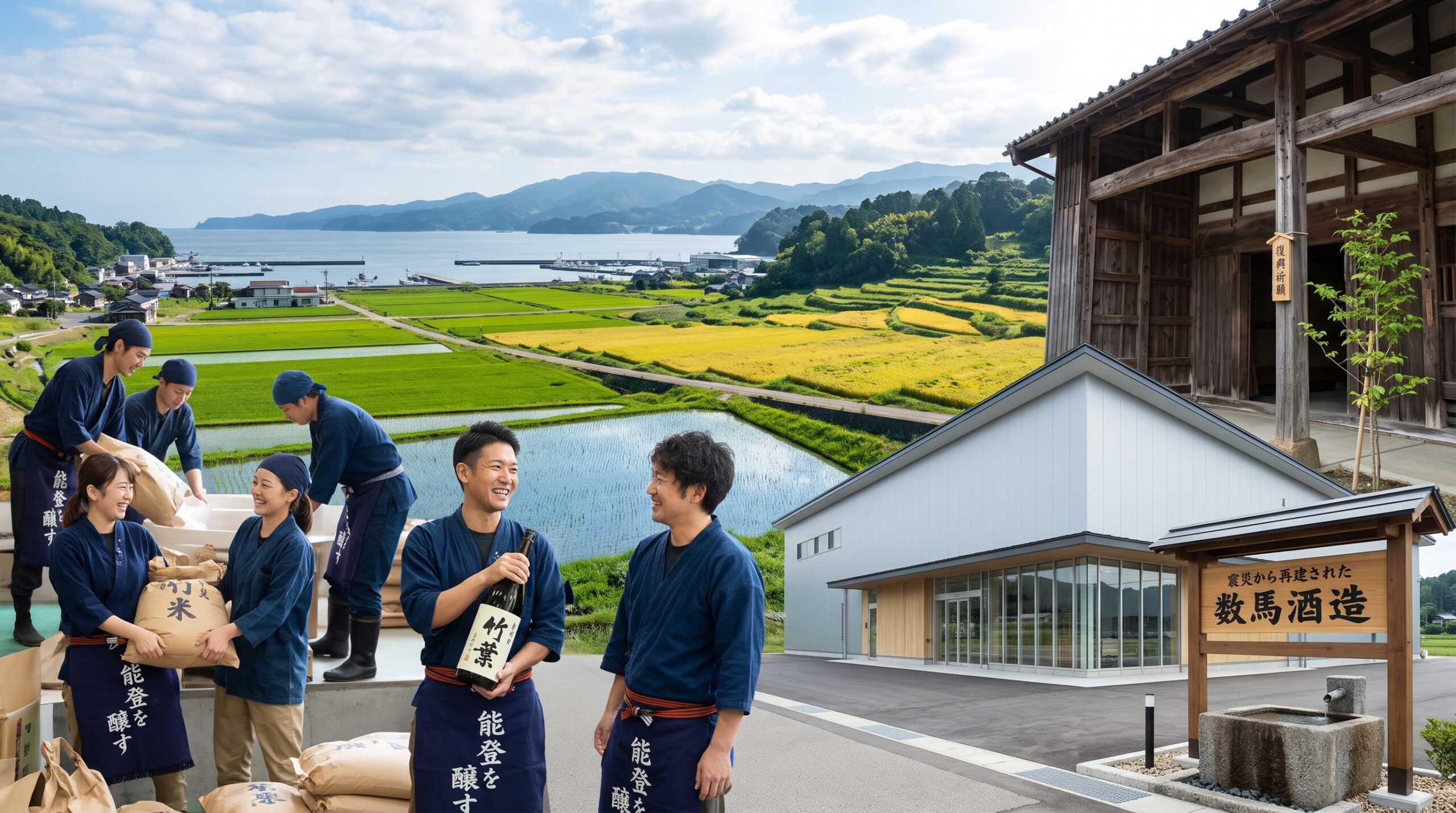
数馬酒造株式会社は明治2年(1869年)、能登町宇出津で醤油の製造業として創業しました。清酒の製造免許を取得したのは昭和26年(1951年)。もともと醤油蔵として「醸す」ことを本業としてきた蔵が、同じ土地の水と向き合いながら、清酒造りにも乗り出した歴史を持っています。2015年9月には、杜氏・蔵人という個人に委ねる体制から、社員みずからが責任を持って酒を造る体制へ移行しました。蔵の理念は「能登を醸す」。地域の資源や文化を引き出し、能登に新しい人の流れをつくることを目指す、という考え方が公式サイトで紹介されています。
その理念を映す取り組みの一つが、2014年から株式会社ゆめうららと連携して進めている耕作放棄地の開墾です。能登の地主から借りた荒れた農地を水田に戻し、酒米を育てる活動で、2017年には関わった集落の耕作放棄地がゼロになり、2018年までに東京ドーム5個分に相当する面積の耕作放棄地を減らしたと公式サイトは紹介しています。2020年に酒米の能登産100%を達成し、2021年には原料米が全量能登産になりました。合わせる「竹葉 能登純米」も、能登産山田錦を100%使用し、精米歩合55%、アルコール度数15%で仕込まれた一本。もぎたての青いバナナや、ライスプディング、杏仁豆腐を思わせるアーモンドシロップのような柔和な香りに、透明感のある軽やかな甘みとなめらかな酸味が調和し、後口にはパッションフルーツの種のような爽快な苦みがすっと効く――蔵の公式サイトはこの一本をそう紹介しています。
土地の話
蔵のある宇出津は、能登半島の北東に面した漁港町で、スルメイカの内臓を塩で発酵させてつくる魚醤「いしり」の産地として知られています。石川県も「能登半島伝統の魚醤油」と紹介しており、能登町の特産品としてまとめられています。海と土地の発酵文化が、醤油蔵から始まった数馬酒造の酒造りとも静かに響き合う土地です。
2024年1月1日、この一帯は能登半島地震に襲われました。数馬酒造の公式サイトには、震災直後から今日まで続く「復興レポート」のシリーズが残されています。発生直後のレポートには、建物が激しく傾斜した箇所や地盤沈下、割れた扉や崩れた酒瓶の様子が記されており、2月のレポートでは明治期に建てられた木造の酒蔵が全壊状態にあったことも記されています。断水が続くなかで、宮城県の新澤醸造店など他県の蔵の支援を受けてタンク内のもろみを運び出し、搾りと瓶詰めを代行してもらったことも公式サイトに記録されています。断水が解消したのは3月12日、瓶詰めラインの再稼働は3月27日、酒造りの再開は4月1日。その後も復興は続き、2025年12月には新しい蔵の地鎮祭が行われ、2026年8月には新しい瓶詰め工場の外観が完成したと報告されています。
音楽の話
「能登半島」は1977年5月10日発売、石川さゆりのシングルです。作詞は阿久悠、作曲・編曲は三木たかし、発売元は日本コロムビア。前作「津軽海峡・冬景色」、次作「暖流」とともに、のちに「旅情三部作」と呼ばれる系譜に数えられ、オリコン週間チャートで最高7位を記録しました。歌詞は、思いを寄せる人に会うために旅立った女性の心情を、能登半島の情景に重ねて描いた一曲です。
この曲が能登半島を舞台に選ばれた経緯には、よく知られた逸話があります。作詞を手がけた阿久悠は、本来は石川さゆりの出身地である熊本を歌う曲を書く予定でしたが、「石川」という芸名から石川県の出身だと思い込んでしまい、能登半島を舞台にした曲になった、というものです。この逸話は石川さゆり自身のエピソードとして広く伝えられています。
なぜこの組み合わせなのか
「能登半島」は、会いたい人のもとへ旅する女性の歌です。歌の中で能登半島は、誰かが「また会いに行く」ために目指す場所として描かれています。
数馬酒造もまた、2024年の震災で蔵の一部を失いながら、今もなお「また誰かを迎えられる蔵」になるために、一歩ずつ復興を重ねている蔵です。新しい蔵の地鎮祭から、瓶詰め工場の外観完成まで、公式サイトに刻まれてきた歩みは、まだ終わっていません。
会いに行く人を描いた歌と、また誰かに会いに来てもらえる場所になろうとしている蔵。「竹葉 能登純米」の軽やかな甘みとすっと効く苦みのグラスを傾けながら、能登という土地が歩んできた時間に、少し思いを寄せてみてください。
この一本を、探すなら
- 蔵元の公式サイト:https://chikuha.co.jp/
- 楽天市場で買う:「竹葉 能登純米」の商品ページを見る(1,815円)
※楽天市場へのリンクは広告(アフィリエイト)です。在庫・取扱いは変動します。お近くの酒販店でも、ぜひ銘柄名を伝えて探してみてください。
合わせたい「アテ」
- なすのいしり煮
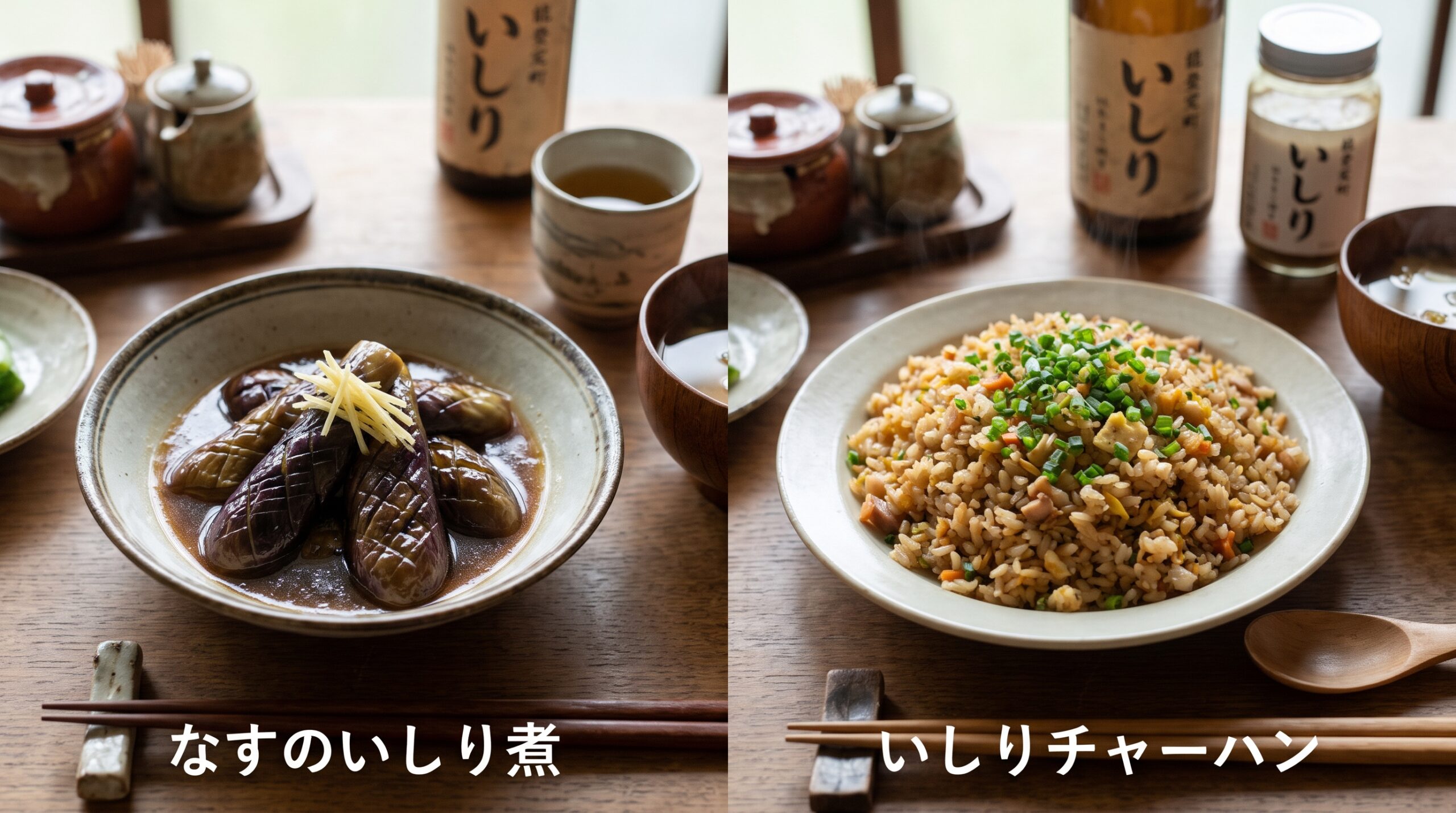
蔵のある宇出津の名産「いしり」を使った、能登町発の家庭料理。なすの皮に切り込みを入れ、だし・砂糖・酒・いしりを合わせた煮汁でじっくり煮含めます。いしりの発酵由来の旨みが、なすの繊維の一本一本まで染み込む一皿です。
レシピはこちら:クックパッド「なすのいしり煮」 - いしりチャーハン
いしりを醤油の代わりに使う、能登ならではのチャーハン。仕上げに鍋肌からいしりと酒を回し入れることで、魚醤らしい香ばしい香りが立ちます。いしり蔵自身が紹介しているレシピで、発酵調味料の旨みを気軽に楽しめる一皿です。
レシピはこちら:クックパッド「風味香ばしい『いしりチャーハン』」
科学的にひとこと:いしりはイカの内臓を発酵させた魚醤で、グルタミン酸やイノシン酸といった旨味成分を豊富に含んでいます。これらは日本酒のアミノ酸系の旨味と重なり合い、口の中で旨味の相乗効果を生み出します。さらに発酵によって生まれる香気成分が、純米酒のまろやかな香りと響き合い、全体の香りに奥行きを加えてくれます。
この蔵をたずねるなら
数馬酒造(竹葉)
石川県鳳珠郡能登町宇出津ヘ-36。能登空港から車で約40分、のと里山海道・穴水ICから車で約30分。
蔵は宇出津港のほど近く、能登の魚醤「いしり」の産地としても知られる宇出津地区にあります。
近くの観光スポット
- 真脇遺跡・真脇遺跡縄文館/能登町字真脇|蔵から車で約14分・約9.3km
縄文時代の環状木柱列などが見つかった国指定史跡。遺跡に隣接する縄文館で出土品を見学できます(開館9:00〜17:00、月・火休)。訪問前に能登町公式サイトで最新の開館状況をご確認ください。 - 九十九湾・のと海洋ふれあいセンター/能登町字越坂|蔵から車で約18分・約11.4km
日本三百景にも数えられるリアス海岸の景勝地。ふれあいセンターでは能登の海の生き物を観察できます。訪問前に開館状況をご確認ください。
近くの温泉
- 真脇ポーレポーレ(縄文真脇温泉)/能登町字真脇|蔵から車で約14分・約9.3km
真脇遺跡と同じ敷地にある温泉施設。日帰り入浴は15:00〜21:00(水曜休、大人550円)。能登町が指定管理する公共の温泉で、震災後の一時休業を経て営業を再開しています。訪問前に最新の営業時間をご確認ください。
※営業時間・定休日・日帰り入浴の可否は変わることがあります。おでかけ前に各施設の公式情報をご確認ください。
ひとことメモ(日本酒の用語)
- 純米酒:米・米麹・水だけで造られ、醸造アルコールを添加していない日本酒。米の旨みをまっすぐ感じられるのが特徴です。
- 精米歩合:玄米を削り、残った部分の割合。数値が低いほど、米を多く磨いていることを示します。
参考
- 数馬酒造株式会社 公式サイト
- 会社概要 | 数馬酒造株式会社
- 能登を醸す(ブランドステートメント) | 数馬酒造株式会社
- 米づくりの取り組み | 数馬酒造株式会社
- 竹葉 能登純米 | 数馬酒造株式会社
- 復旧・復興レポート一覧 | 数馬酒造株式会社
- いしり(いしる) | 石川県公式サイト
- 能登半島(石川さゆりの曲) – Wikipedia
- 石川さゆり 公式サイト ディスコグラフィー
内容に誤りがございましたら、お手数ですが info@soundrecords.jp までご連絡いただけますと幸いです。
오늘의 페어링
- 일본술:치쿠하(竹葉) 노토 준마이/노토산 야마다니시키 100% 사용・정미보합 55%・알코올 도수 15%/가즈마 주조 주식회사(이시카와현 호스군 노토마치 우시츠 헤-36)
공식 사이트:https://chikuha.co.jp/ - 가요곡:「노토반도(能登半島)」 이시카와 사유리(1977년)
YouTube:https://www.youtube.com/watch?v=u-4TUBEbSas
▶ 위 플레이어에서 재생할 수 없는 경우에는 YouTube에서 열기
양조장 이야기
가즈마 주조 주식회사는 메이지 2년(1869년), 노토마치 우시츠에서 간장 제조업으로 창업했습니다. 청주 제조 면허를 취득한 것은 쇼와 26년(1951년). 원래 간장 양조장으로서 「양조하다(醸す)」를 본업으로 삼아 온 양조장이, 같은 땅의 물과 마주하면서 청주 만들기에도 나선 역사를 가지고 있습니다. 2015년 9월에는 도지(杜氏)・쿠라비토(蔵人)라는 개인에게 맡기는 체제에서, 사원 스스로가 책임을 지고 술을 만드는 체제로 이행했습니다. 양조장의 이념은 「노토를 양조하다(能登を醸す)」. 지역의 자원과 문화를 끌어내어, 노토에 새로운 사람의 흐름을 만드는 것을 목표로 한다는 생각이 공식 사이트에서 소개되고 있습니다.
그 이념을 반영하는 활동 중 하나가 2014년부터 주식회사 유메우라라와 연계하여 진행하고 있는 휴경지 개간입니다. 노토의 지주로부터 빌린 황폐한 농지를 논으로 되돌려 술쌀을 키우는 활동으로, 2017년에는 관계한 마을의 휴경지가 제로가 되었고, 2018년까지 도쿄돔 5개분에 해당하는 면적의 휴경지를 줄였다고 공식 사이트는 소개하고 있습니다. 2020년에 술쌀의 노토산 100%를 달성했고, 2021년에는 원료미가 전량 노토산이 되었습니다. 함께할 「치쿠하 노토 준마이」도 노토산 야마다니시키를 100% 사용하고, 정미보합 55%, 알코올 도수 15%로 빚어진 한 병. 막 딴 푸른 바나나와 라이스 푸딩, 행인두부를 떠올리게 하는 아몬드 시럽 같은 부드러운 향에, 투명감 있는 가벼운 단맛과 부드러운 산미가 조화를 이루고, 뒷맛에는 패션프루트 씨앗 같은 청량한 쓴맛이 스르륵 효과를 낸다――양조장의 공식 사이트는 이 한 병을 그렇게 소개하고 있습니다.
땅 이야기
양조장이 있는 우시츠는 노토반도의 북동쪽을 마주한 어항 마을로, 살오징어의 내장을 소금으로 발효시켜 만드는 어장(魚醬) 「이시리」의 산지로 알려져 있습니다. 이시카와현도 「노토반도 전통의 어장유」로 소개하고 있으며, 노토마치의 특산품으로 정리되어 있습니다. 바다와 땅의 발효 문화가, 간장 양조장에서 시작된 가즈마 주조의 술 빚기와도 조용히 서로 울리는 땅입니다.
2024년 1월 1일, 이 일대는 노토반도 지진의 피해를 입었습니다. 가즈마 주조의 공식 사이트에는 재해 직후부터 오늘날까지 이어지는 「복구・부흥 리포트」 시리즈가 남아 있습니다. 발생 직후의 리포트에는 건물이 심하게 기울어진 부분과 지반 침하, 깨진 문과 무너진 술병의 모습이 기록되어 있으며, 2월 리포트에서는 메이지 시대에 지어진 목조 양조장이 전면 붕괴 상태였다는 것도 기록되어 있습니다. 단수가 계속되는 가운데, 미야기현의 니이자와 양조점 등 다른 현의 양조장의 지원을 받아 탱크 안의 모로미(もろみ)를 옮겨내어, 압착과 병입을 대행받은 것도 공식 사이트에 기록되어 있습니다. 단수가 해소된 것은 3월 12일, 병입 라인의 재가동은 3월 27일, 술 빚기의 재개는 4월 1일. 그 후에도 부흥은 계속되어, 2025년 12월에는 새 양조장의 지진제(地鎮祭)가 열렸고, 2026년 8월에는 새 병입 공장의 외관이 완성되었다고 보고되고 있습니다.
음악 이야기
「노토반도(能登半島)」는 1977년 5월 10일 발매된 이시카와 사유리(石川さゆり)의 싱글입니다. 작사는 아쿠 유(阿久悠), 작곡·편곡은 미키 다카시(三木たかし), 발매원은 일본 콜롬비아(日本コロムビア)입니다. 전작 「쓰가루카이쿄・후유케시키(津軽海峡・冬景色)」, 차작 「단류(暖流)」와 함께 훗날 「여정삼부작(旅情三部作)」이라 불리는 계보에 꼽히며, 오리콘 주간 차트에서 최고 7위를 기록했습니다. 가사는 그리운 사람을 만나기 위해 떠난 여성의 심정을 노토반도의 정경에 겹쳐 그린 한 곡입니다.
이 곡이 노토반도를 무대로 선택된 경위에는 잘 알려진 일화가 있습니다. 작사를 담당한 아쿠 유는 본래 이시카와 사유리의 출신지인 구마모토를 노래하는 곡을 쓸 예정이었지만, 「이시카와(石川)」라는 예명 때문에 이시카와현 출신이라고 착각해 버려, 노토반도를 무대로 한 곡이 되었다는 것입니다. 이 일화는 이시카와 사유리 본인의 에피소드로 널리 전해지고 있습니다.
왜 이 조합인가
「노토반도」는 만나고 싶은 사람을 향해 여행을 떠나는 여성의 노래입니다. 노래 속에서 노토반도는 누군가가 「다시 만나러 간다」는 목적지로 그려지고 있습니다.
가즈마 주조도 또한, 2024년의 지진으로 양조장의 일부를 잃으면서도, 지금도 여전히 「다시 누군가를 맞이할 수 있는 양조장」이 되기 위해, 한 걸음씩 부흥을 이어가고 있는 양조장입니다. 새 양조장의 지진제부터 병입 공장의 외관 완성까지, 공식 사이트에 새겨져 온 발걸음은 아직 끝나지 않았습니다.
만나러 가는 사람을 그린 노래와, 다시 누군가가 만나러 와 줄 수 있는 곳이 되려 하는 양조장. 「치쿠하 노토 준마이」의 가벼운 단맛과 스르륵 효과를 내는 쓴맛의 잔을 기울이면서, 노토라는 땅이 걸어온 시간에 잠시 마음을 기울여 보세요.
이 한 병을 찾는다면
- 양조장의 공식 사이트:https://chikuha.co.jp/
- 라쿠텐 시장에서 구매하기:「竹葉 能登純米」 상품 페이지 보기(1,815엔)
※라쿠텐 시장으로의 링크는 광고(제휴 링크)입니다. 재고・취급 여부는 변동됩니다. 가까운 주류 판매점에서도 꼭 상표명을 말씀하시고 찾아보시기 바랍니다.
🌡️ 추천하는 마시는 방법:충분히 차갑게(10℃ 전후). 막 딴 바나나와 아몬드 시럽을 떠올리게 하는 부드러운 향은, 너무 차갑지 않은 가벼운 냉주에서야말로 가장 아름답게 피어오릅니다.
함께하고 싶은 「안주」
- 가지 이시리 조림양조장이 있는 우시츠의 명산품 「이시리」를 사용한, 노토마치에서 유래한 가정 요리. 가지 껍질에 칼집을 내어, 다시・설탕・술・이시리를 합한 조림 국물로 천천히 푹 끓입니다. 이시리의 발효에서 오는 감칠맛이 가지의 섬유 한 올 한 올까지 배어드는 한 그릇입니다.
레시피는 이쪽:쿡패드 「가지 이시리 조림」 - 이시리 볶음밥이시리를 간장 대신 사용하는, 노토만의 볶음밥. 마무리로 팬 가장자리에서 이시리와 술을 둘러 넣어줌으로써, 어장다운 고소한 향이 피어납니다. 이시리 양조장이 직접 소개하고 있는 레시피로, 발효 조미료의 감칠맛을 가볍게 즐길 수 있는 한 그릇입니다.
레시피는 이쪽:쿡패드 「풍미 고소한 『이시리 볶음밥』」
과학적으로 한마디:이시리는 오징어의 내장을 발효시킨 어장으로, 글루탐산이나 이노신산과 같은 감칠맛 성분을 풍부하게 포함하고 있습니다. 이들은 일본술의 아미노산계 감칠맛과 겹쳐지며, 입안에서 감칠맛의 상승 효과를 만들어냅니다. 더욱이 발효에 의해 생겨나는 향기 성분이 준마이슈의 부드러운 향과 서로 울리며, 전체 향에 깊이를 더해줍니다.
이 양조장을 찾아간다면
가즈마 주조(치쿠하)이시카와현 호스군 노토마치 우시츠 헤-36. 노토공항에서 자동차로 약 40분, 노토사토야마카이도・아나미즈IC에서 자동차로 약 30분.
양조장은 우시츠항에서 가까운, 노토의 어장 「이시리」의 산지로도 알려진 우시츠 지구에 있습니다.
근처 관광 명소
- 마와키 유적・마와키 유적 조몬칸/노토마치 아자 마와키|양조장에서 자동차로 약 14분・약 9.3km조몬 시대의 환상 목주열 등이 발견된 국가지정 사적. 유적에 인접한 조몬칸에서 출토품을 견학할 수 있습니다(개관 9:00~17:00, 월・화 휴무). 방문 전에 노토마치 공식 사이트에서 최신 개관 상황을 확인해 주세요.
- 쓰쿠모완・노토카이요 후레아이 센터/노토마치 아자 고사카|양조장에서 자동차로 약 18분・약 11.4km일본 삼백경에도 꼽히는 리아스식 해안의 명승지. 후레아이 센터에서는 노토의 바다 생물을 관찰할 수 있습니다. 방문 전에 개관 상황을 확인해 주세요.
근처 온천
- 마와키 포레포레(조몬마와키 온천)/노토마치 아자 마와키|양조장에서 자동차로 약 14분・약 9.3km마와키 유적과 같은 부지에 있는 온천 시설. 일일 입욕은 15:00~21:00(수요일 휴무, 어른 550엔). 노토마치가 지정관리하는 공공 온천으로, 지진 이후 한동안 휴업을 거쳐 영업을 재개했습니다. 방문 전에 최신 영업시간을 확인해 주세요.
※영업시간・정기휴일・일일 입욕 가능 여부는 변경될 수 있습니다. 외출 전에 각 시설의 공식 정보를 확인해 주세요.
한마디 메모(일본술 용어)
- 준마이슈(純米酒):쌀・코지(米麹)・물만으로 만들어지며, 양조 알코올을 첨가하지 않은 일본술. 쌀의 감칠맛을 그대로 느낄 수 있는 것이 특징입니다.
- 정미보합(精米歩合):현미를 깎아 남은 부분의 비율. 수치가 낮을수록 쌀을 많이 깎았다는 것을 나타냅니다.
참고
- 가즈마 주조 주식회사 공식 사이트
- 회사 개요 | 가즈마 주조 주식회사
- 노토를 양조하다(브랜드 스테이트먼트) | 가즈마 주조 주식회사
- 쌀 만들기 활동 | 가즈마 주조 주식회사
- 치쿠하 노토 준마이 | 가즈마 주조 주식회사
- 복구・부흥 리포트 목록 | 가즈마 주조 주식회사
- 이시리(이시루) | 이시카와현 공식 사이트
- 노토반도(이시카와 사유리의 곡) – Wikipedia
- 이시카와 사유리 공식 사이트 디스코그래피
내용에 오류가 있으시면, 번거롭겠지만info@soundrecords.jp로 연락해 주시면 감사하겠습니다.
コメントを残す