今日のペアリング
▶ 上のプレーヤーで再生できない場合は、YouTubeで開く
酒蔵の話
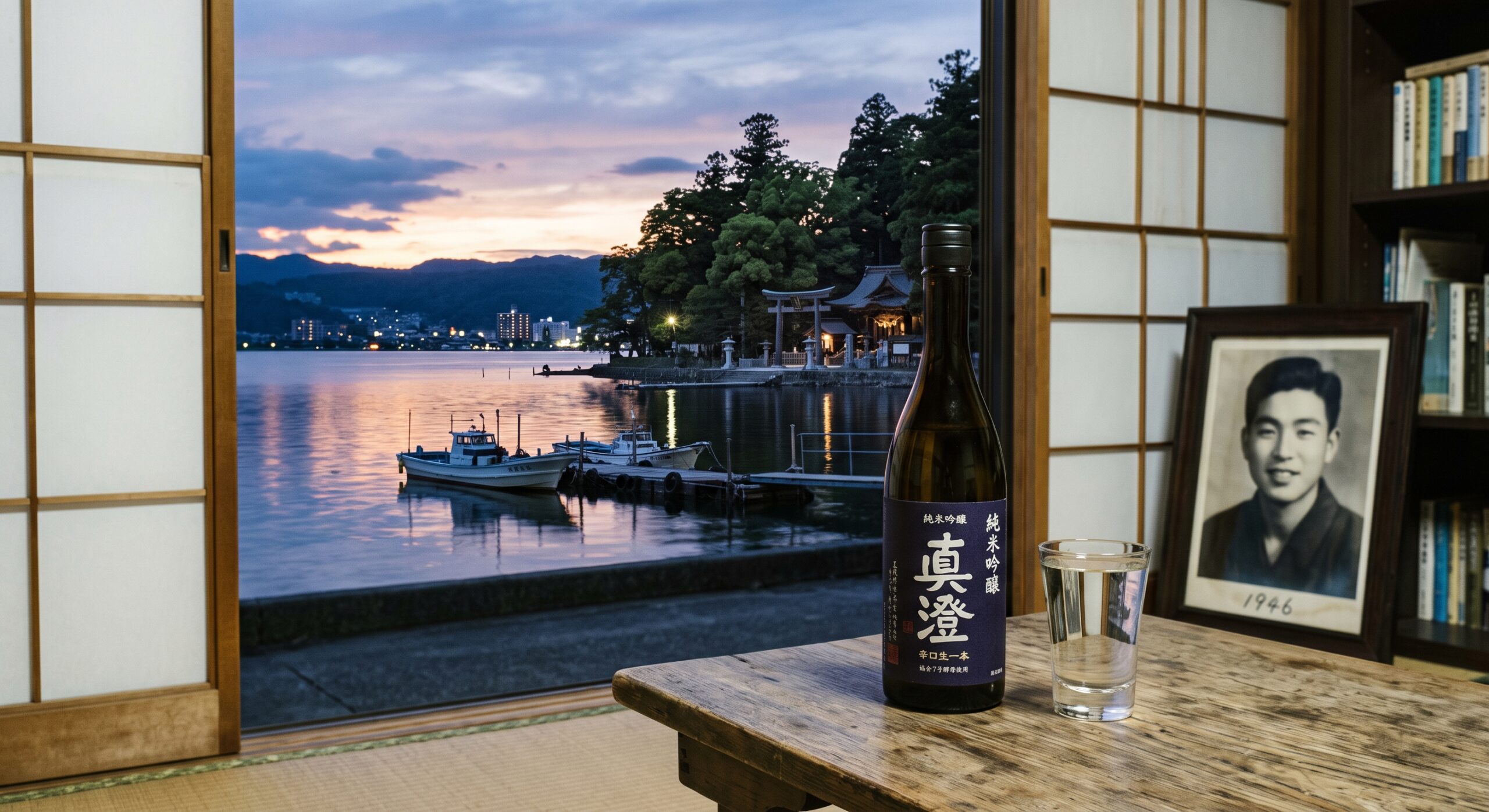
宮坂醸造は寛文2年(1662年)、長野県諏訪市に創業しました。宮坂家はもともと戦国時代の諏訪地域を治めていた家臣でしたが、武田氏や織田氏をめぐる戦乱に翻弄され、刀を置いて酒屋になったと伝えられています。
この蔵の名を全国に知らしめたのが、1946年の出来事です。1943年の全国清酒鑑評会で第一位を受賞し、研究者の注目を集めていた真澄。大蔵省醸造試験所の山田正一博士が、真澄・諏訪蔵のもろみから新種の酵母を発見し、「醸造協会酵母7号」と命名しました。人為的に育種したものではなく、蔵に自然に住み着いていた”蔵付き酵母”です。この協会7号酵母は全国の酒蔵へ急速に広まり、発見から70年以上を経た今も、全国の大半の酒蔵で使われ続けています。現在、真澄の主力銘柄の多くには、この7号酵母の系譜を引く自社株酵母が使われています。
今回合わせる「純米吟醸 辛口生一本」は、長野県産の美山錦・山恵錦・ひとごこちに兵庫県産山田錦を加えた米を精米歩合55%まで磨き、アルコール度数15度で仕込まれた一本。りんごの蜜や白桃を思わせるフルーティーな香りが立ち、口に含むと柔らかな甘みから心地よい苦味を経て、すっきりとキレのある辛口の余韻へと続きます。
土地の話
諏訪市は諏訪湖のほとりに開けた町で、宮坂醸造の蔵もこの湖畔、上諏訪温泉のすぐそばに立っています。諏訪湖の周辺には信濃國一之宮・諏訪大社の四つの社が点在し、古くから信仰を集めてきました。湖畔には大正から昭和にかけて製糸業で栄えた歴史を今に伝える建物も残り、国指定重要文化財の温泉施設「片倉館」もその一つです。
この諏訪市で、1946年5月15日、一人の男の子が生まれました。のちに「美川憲一」の名で知られることになる、本名・百瀬由一です。奇しくも、真澄の蔵から協会7号酵母が見いだされたのと同じ年でした。作曲家・古賀政男の指導を受けた美川は、1965年「だけどだけどだけど」で歌手デビュー。翌1966年の「柳ヶ瀬ブルース」が120万枚の大ヒットとなり、一躍スターとなりました。
音楽の話
美川憲一の代表曲の一つ「さそり座の女」は、1972年12月20日発売、25作目のシングルです。作詞は、横浜のホテル経営者の妻で作詞は本業ではなかった斉藤律子、作曲は中川博之、編曲は馬飼野俊一。もともとはB面曲として企画されていましたが、曲を気に入った美川がレコード会社に直談判し、A面として発売されることになりました。結果はオリコン最高23位、9万7千枚を売り上げるヒットとなり、「柳ヶ瀬ブルース」と並ぶ美川憲一の代表曲の一つとなっています。
この曲はNHK紅白歌合戦で計7回歌われ、2006年から2009年には4年連続で披露されました。その際、毎回オペラ風、パラパラ風、サンバ風、インド風などとアレンジと衣装を変え続けたことで知られ、小林幸子との豪華衣装対決の象徴的な一曲にもなりました。
なぜこの組み合わせなのか
美川憲一と協会7号酵母は、同じ1946年、同じ諏訪の地から生まれました。けれども、その後歩んだ道はまったく対照的です。
美川憲一は、紅白の舞台の中央で、毎年のように衣装とアレンジを変えながら「さそり座の女」を歌い続けてきました。誰の目にも留まる、華やかな舞台の主役です。一方、協会7号酵母は、その名前を意識する飲み手はほとんどいません。全国の酒蔵の仕込みタンクの奥で、静かに、しかし確かに、多くの酒の味を支え続けてきました。
舞台の中央で輝き続けた歌い手と、蔵の奥で黙々と働き続けた酵母。生まれ故郷を同じくする、まったく違う形の”活躍”を思いながら、このグラスを傾けてみてください。
この一本を、探すなら
※楽天市場へのリンクは広告(アフィリエイト)です。在庫・取扱いは変動します。お近くの酒販店でも、ぜひ銘柄名を伝えて探してみてください。
🌡️ おすすめの飲み方:よく冷やして、またはやや冷やして。りんごを思わせるフルーティーな香りと、キレのある辛口の味わいが引き立ちます。常温や燗でも楽しめる懐の深さを持つ一本です。
合わせたい「アテ」
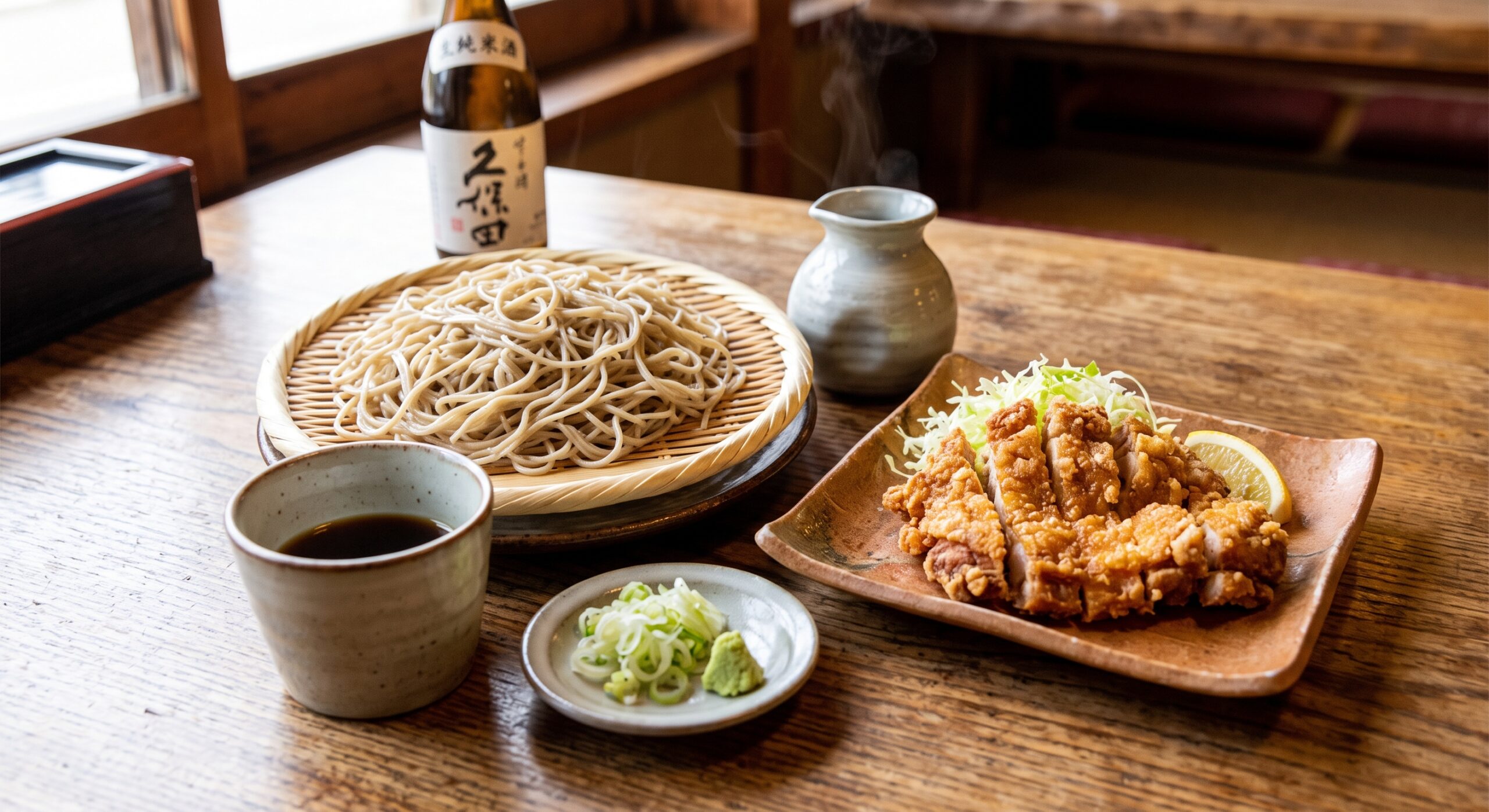
- 信州そば(もりそば)
米がとれにくい高冷地の多い信州で、古くから大切な食事として受け継がれてきたそば。シンプルなつゆと薬味だけの一皿だからこそ、辛口生一本のキレのある後味と、蕎麦の香りがまっすぐに響き合います。
レシピはこちら:クラシル「もりそば(つけつゆ)」
- 山賊焼き
松本地方に伝わる郷土食で、鶏もも肉を丸ごとにんにく醤油だれに漬け込み、豪快に揚げ焼きにした一品。にんにくの効いた濃いめの味とジューシーな脂に、辛口生一本のすっきりとしたキレが心地よく寄り添います。
レシピはこちら:クラシル「お家で再現 長野名物山賊焼き」
科学的にひとこと:そばの香り成分は繊細なため、キレのよい辛口の日本酒はそばの風味を邪魔せず、口の中をさっと洗い流してくれます。一方、山賊焼きのようなにんにく・脂の効いた料理では、日本酒に含まれる有機酸が脂の重さを分解するように感じさせ、後味をすっきりと整えてくれます。
この蔵をたずねるなら
宮坂醸造(真澄 蔵元)
長野県諏訪市元町1-16/JR中央本線 上諏訪駅から徒歩約10分。
諏訪湖のほとり、上諏訪温泉のすぐそばに蔵があります。
近くの観光スポット
- 北澤美術館/諏訪市|蔵から車で約5分(上諏訪駅から徒歩15分・タクシー5分)
諏訪湖畔に立つ美術館。エミール・ガレやドームなど、フランスのアール・ヌーヴォーガラス工芸コレクションで知られています。開館9:00〜17:00(4〜9月は18:00まで)、大人1,200円。
- 諏訪大社 下社秋宮/下諏訪町|蔵から車で約10分・約5km
信濃國一之宮・諏訪大社の四社の一つ。樹齢800年を超えるとされる御神木の大銀杏や、重要文化財の神楽殿が見どころです。参拝は自由(社務所の受付時間は要確認)。
近くの温泉
- 片倉館(千人風呂)/諏訪市|蔵から徒歩約16分・約1.3km
昭和3年(1928年)築、国指定重要文化財の温泉施設。100人以上が一度に入れる「千人風呂」で知られます。日帰り入浴10:00〜21:00(受付20:30まで)、第2・4火曜定休、大人650円。時間・料金は変わることがあるので、訪問前にご確認ください。
※営業時間・定休日・日帰り入浴の可否は変わることがあります。おでかけ前に各施設の公式情報をご確認ください。
ひとことメモ(日本酒の用語)
- 純米吟醸酒:精米歩合60%以下まで磨いた米を低温でじっくり発酵させた純米酒。華やかな香りが特徴です。
- 精米歩合:玄米を削り、残った部分の割合。数値が低いほど、米を多く磨いていることを示します。
参考
内容に誤りがございましたら、お手数ですが info@soundrecords.jp までご連絡いただけますと幸いです。
Today’s Pairing
- Sake: Masumi “Karakuchi Kiippon” Junmai Ginjo — brewed with Miyamanishiki, Sankeinishiki and Hitogokochi rice (all grown in Nagano) plus Yamadanishiki rice from Kato City, Hyogo, rice-polishing ratio (seimai buai) 55%, 15% alcohol / Miyasaka Brewing Co., Ltd. (1-16 Motomachi, Suwa City, Nagano Prefecture)
Official site: https://www.masumi.co.jp/
- Kayoukyoku (classic Japanese popular song): “Sasoriza no Onna” (“Scorpio Woman”) by Mikawa Kenichi, 1972
YouTube: https://www.youtube.com/watch?v=tT65DBJTJzI
▶ If the player above doesn’t play, open it on YouTube
The Story of the Brewery
Miyasaka Brewing was founded in 1662 in Suwa City, Nagano Prefecture. The Miyasaka family had once served as retainers governing the Suwa region during the Sengoku (Warring States) period, but caught up in the conflicts surrounding the Takeda and Oda clans, they are said to have set down their swords and become sake brewers instead.
What put this brewery’s name on the map nationwide happened in 1946. Masumi had already caught researchers’ attention after taking first place at the National New Sake Competition in 1943. Then Dr. Yamada Shoichi of the Ministry of Finance’s Brewing Research Institute discovered a new strain of yeast in the fermenting mash at Masumi’s Suwa brewery, and named it “Brewing Society Yeast No. 7.” It hadn’t been artificially bred — it was a wild strain that had simply made its home in the brewery. Yeast No. 7 spread rapidly to breweries across Japan, and more than 70 years after its discovery, it’s still used by the majority of Japan’s sake breweries today. Many of Masumi’s flagship sakes today are brewed with the brewery’s own proprietary strains descended from that same No. 7 lineage.
The bottle in this pairing, “Karakuchi Kiippon” Junmai Ginjo, is brewed from Miyamanishiki, Sankeinishiki and Hitogokochi rice grown in Nagano, blended with Yamadanishiki rice from Hyogo, polished to a seimai buai of 55%, at 15% alcohol. It opens with a fruity aroma reminiscent of apple nectar and white peach, moves through a soft sweetness and a pleasant bitterness, and finishes crisp and dry.
The Story of the Land
Suwa City sits on the shore of Lake Suwa, and Miyasaka Brewing’s own building stands right on that shoreline, next to the Kamisuwa Onsen hot spring district. Around the lake are the four shrines that make up Suwa Taisha, one of the oldest and most venerated shrines in Japan. Buildings from the city’s era of prosperity in the silk-reeling industry, spanning the Taisho and early Showa periods, still stand along the lakeshore — among them Katakura-kan, a hot-spring bathhouse designated an Important Cultural Property.
In this same city of Suwa, on May 15, 1946, a boy was born: Momose Yuichi, who would later become known by his stage name, Mikawa Kenichi. As it happens, that was the very same year Masumi’s brewery yielded up Yeast No. 7. Trained by the composer Koga Masao, Mikawa debuted as a singer in 1965 with “Dakedo Dakedo Dakedo.” The following year, 1966, his song “Yanagase Blues” became a massive hit, selling 1.2 million copies and turning him into a star overnight.
The Story of the Song
One of Mikawa Kenichi’s signature songs, “Sasoriza no Onna” (“Scorpio Woman”), was released on December 20, 1972, his 25th single. The lyrics are by Saito Ritsuko, the wife of a hotel owner in Yokohama for whom songwriting wasn’t her main profession; the music is by Nakagawa Hiroyuki, the arrangement by Umakano Toshikazu. It had originally been planned as a B-side track, but Mikawa liked the song so much that he personally appealed to the record company to release it as the A-side instead. The gamble paid off: it peaked at No. 23 on the Oricon chart and sold 97,000 copies, becoming, alongside “Yanagase Blues,” one of his signature songs.
The song has been performed on NHK’s Kohaku Uta Gassen a total of seven times, including four years running from 2006 to 2009. Each time, Mikawa changed both arrangement and costume — opera-style, para-para dance style, samba style, Indian style — making the song a symbol of the elaborate costume rivalry between him and fellow singer Kobayashi Sachiko.
Why This Pairing
Mikawa Kenichi and Yeast No. 7 both trace back to the very same year, 1946, and the very same city of Suwa. And yet the paths they went on to take could hardly be more different.
Mikawa Kenichi has kept singing “Sasoriza no Onna” center stage at Kohaku, changing costume and arrangement nearly every year, always in full view — the undisputed star of a flashy production. Yeast No. 7, on the other hand, is a name almost no sake drinker ever thinks about. Deep inside fermentation tanks in breweries all across Japan, it has gone on quietly — but reliably — shaping the flavor of countless sakes.
A performer who kept shining center stage, and a yeast strain that kept working quietly deep inside the brewery: two entirely different kinds of “success,” both rooted in the same hometown. Let that thought settle in as you raise this glass.
Where to Find This Bottle
The Rakuten Ichiba link below is an affiliate link.
Note: the links above lead to Japan-based retailers. They’re most convenient for readers in Japan, or for those elsewhere who are able to arrange international shipping. Stock and availability change over time, so if you’re near a specialty sake shop, it’s well worth asking for this label by name.
🌡️ Recommended way to drink it: Well chilled or lightly chilled, to bring out the apple-like fruity aroma and crisp, dry finish. It’s versatile enough to enjoy at room temperature or gently warmed, too.
Pairing Dishes Worth Trying
- Shinshu soba (mori-soba, cold buckwheat noodles)
In Nagano’s cool highlands, where rice has long been hard to grow, buckwheat noodles have been a staple food for generations. With nothing but a simple dipping sauce and a few condiments, the dish lets the crisp, dry finish of Karakuchi Kiippon and the aroma of the buckwheat speak directly to each other.
Recipe (in Japanese): Kurashiru, “Mori-soba (with Dipping Sauce)”
- Sanzoku-yaki (Matsumoto-style garlic fried chicken)
A local specialty from the Matsumoto area: a whole chicken thigh marinated in garlic-soy sauce and deep-fried. The rich garlic flavor and juicy fat pair comfortably with the clean, crisp finish of Karakuchi Kiippon.
Recipe (in Japanese): Kurashiru, “Home-Made Nagano’s Famous Sanzoku-yaki”
A note on the science: buckwheat’s aroma compounds are delicate, so a crisp, dry sake clears the palate without overpowering the noodles’ own fragrance. With a rich, garlicky dish like sanzoku-yaki, the organic acids in sake help cut through the heaviness of the fat, keeping the aftertaste clean.
Visiting the Brewery
Miyasaka Brewing (Masumi’s brewery)
1-16 Motomachi, Suwa City, Nagano. About a 10-min walk from JR Kamisuwa Station on the Chuo Main Line.
The brewery stands on the shore of Lake Suwa, right by the Kamisuwa Onsen hot spring district.
Sights Nearby
- Kitazawa Museum of Art / Suwa City | about 5 min by car from the brewery (15 min on foot or 5 min by taxi from Kamisuwa Station)
A museum on the shore of Lake Suwa, known for its collection of French Art Nouveau glass art, including works by Émile Gallé and Daum. Open 9:00–17:00 (until 18:00 from April to September); ¥1,200 for adults.
- Suwa Taisha Shimosha Akimiya (Lower Shrine, Autumn Palace) / Shimosuwa | about 10 min, ~5 km by car from the brewery
One of the four shrines that make up Suwa Taisha, one of Japan’s oldest shrines. Highlights include a giant ginkgo tree said to be over 800 years old and a Kagura hall designated an Important Cultural Property. Free to visit (check the shrine office’s hours separately).
Hot Springs Nearby
- Katakura-kan (the “Thousand-Person Bath”) / Suwa City | about a 16-min walk, ~1.3 km from the brewery
A hot-spring bathhouse built in 1928, designated an Important Cultural Property, famous for its “Senninburo” bath large enough for a hundred-plus bathers at once. Day-use bathing 10:00–21:00 (last entry 20:30), closed the 2nd and 4th Tuesday of each month; ¥650 for adults. Hours and rates can change, so please check before visiting.
Opening hours, closing days and day-use bathing availability can change. Please check each facility’s official information before visiting.
A Quick Glossary of Sake Terms
- Junmai Ginjo: Junmai (sake made only from rice, rice koji, and water, with no added brewing alcohol) that has been polished to a seimai buai of 60% or less and fermented slowly at low temperatures, giving it a fragrant aroma.
- Seimai buai (rice-polishing ratio): The percentage of the original grain remaining after milling. The lower the number, the more the rice has been polished down.
Sources
If you notice any errors in this article, please don’t hesitate to reach out at info@soundrecords.jp.
コメントを残す