今日のペアリング
▶ 上のプレーヤーで再生できない場合は、YouTubeで開く
酒蔵の話
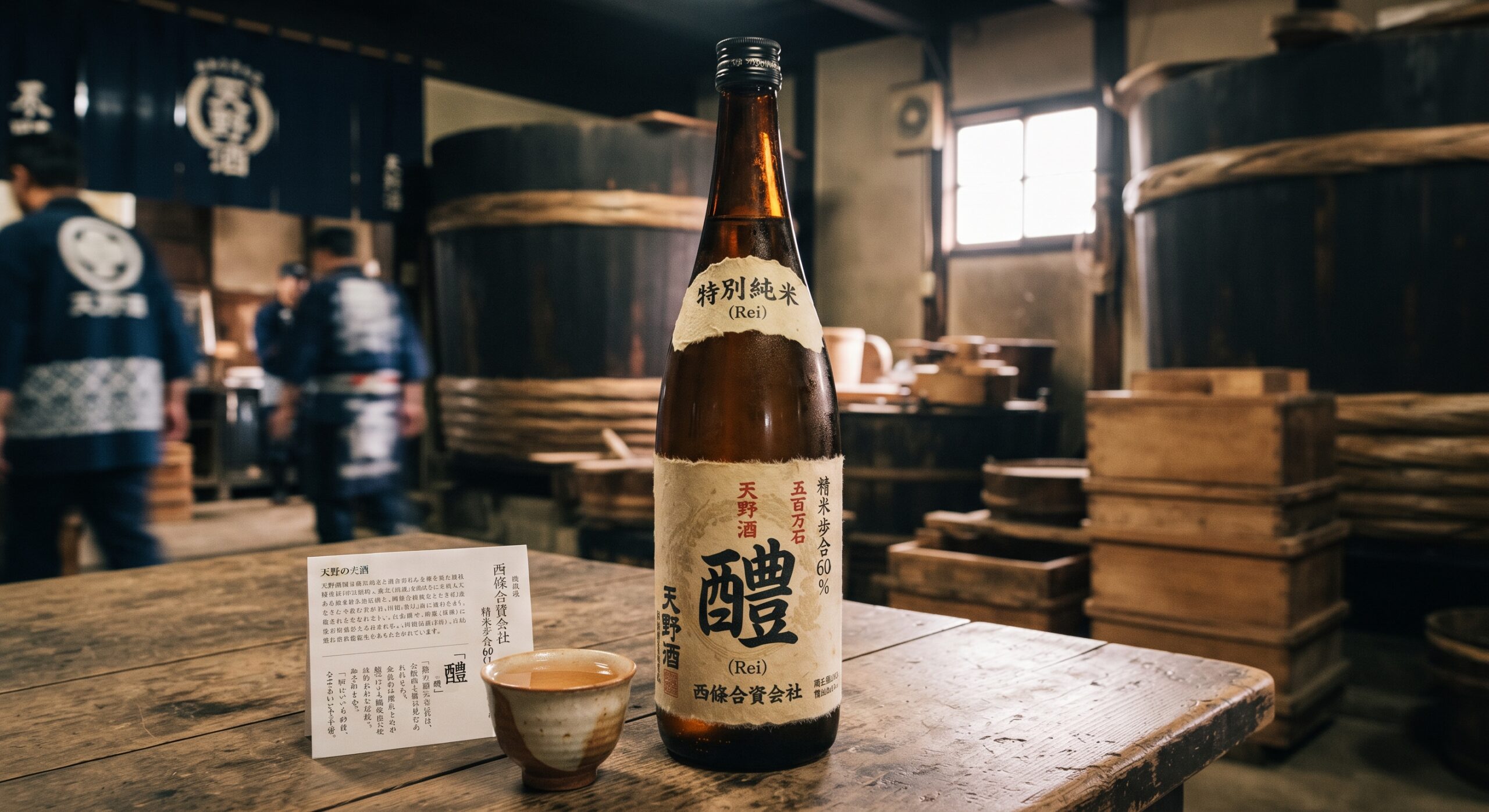
西條合資会社は、享保3年(1718年)、大阪府河内長野市長野町に創醸した酒蔵です。創醸期から明治末期までは「三木正宗」、大正・昭和を通しては「波之鶴」という銘柄で親しまれてきましたが、昭和46年(1971年)、天野酒の名の由来となった天野山金剛寺のご好意と、地元のみなさんの声援を受けて、この土地にもっと古くから伝わる名前「天野酒」を復活させました。現在は第十代蔵主・西條陽三氏が蔵を継いでいます。
「天野酒」という名は、室町時代、天野山金剛寺の僧侶たちが醸していた僧坊酒にさかのぼります。当時「天野比類無シ」「美酒言語ニ絶ス」と絶賛された銘酒で、大阪府の紹介によれば、豊臣秀吉はこの酒をことのほか愛し、たびたび使者を送っては買い求め、良酒醸造に専念することを命じる朱印状を天野山金剛寺に渡したと伝えられています。しかし桃山時代の末、堺の水路が変わり、大坂の陣で堺が戦火に見舞われたことなどを経て、天野酒はしだいに歴史の表舞台から遠ざかっていったといわれます。西條家は「三木正宗」「波之鶴」の名で酒を造り続けながら、この土地の酒の記憶を絶やさずに受け継ぎ、地域の後押しを得てようやく、本来の名前を取り戻したのです。
今回合わせる「特別純米 醴(れい)」の「醴」は、古くは甘酒に近い、粒の残った甘口の酒を指した漢字です。五百万石を精米歩合60%以下まで磨き、ほのかな甘みとどこか懐かしい香り、米の旨味やふくらみを大切にした一本に、蔵元はあえてこの古い一字を選んで名付けています。
土地の話
河内長野市は、大阪府の南東部、金剛山地の北のふもとに広がる町です。京・大坂から高野山へ向かう複数の高野街道がこの地で合流して一本の道になり、そこからさらに大和・熊野方面へ抜ける道も分かれていく、街道の要にあたる土地でした。天野山金剛寺・観心寺という二つの大寺院を擁し、多くの参詣者・旅人が行き交ってきました。天野酒の名の由来となった金剛寺の僧坊酒は、寺院が造り手となる中世日本の酒造りの一例で、奈良の寺院で培われた菩提酛の技術などと並んで、近世以降の日本酒造りの基礎を築いたものの一つとされています。
戦国の英傑たちがこぞって求めた酒がこの土地で生まれ、一度は歴史の陰に隠れながら、地元の寺と人々の手によって静かに呼び戻された――河内長野という町の歴史そのものが、華やかな出来事の裏側にある、地道な積み重ねを物語っています。
音楽の話
「浪花恋しぐれ」は1983年5月21日発売、都はるみと岡千秋によるデュエット曲です。作詞・たかたかし、作曲・岡千秋、編曲・斉藤恒夫。戦前の上方落語界のスーパースターだった初代・桂春団治の、破天荒な生き方と、それを陰で支え続けた妻・お浜との夫婦愛をモチーフにした一曲で、オリコン週間チャート最高3位を記録し、翌年2月までロングセラーとして20位以内をキープしました。同年の第25回日本レコード大賞では特別金賞を、第16回日本有線放送大賞・第16回全日本有線放送大賞も受賞し、都はるみと岡千秋はこの曲で第34回NHK紅白歌合戦に出場しています。
都はるみは1948年2月22日、京都市生まれ。1964年3月にデビューし、同年発表の「アンコ椿は恋の花」がミリオンセラーとなって第6回日本レコード大賞新人賞を受賞しました。「はるみ節」と呼ばれる力強い歌唱法で昭和後期を代表する演歌歌手となり、1976年には「北の宿から」で日本レコード大賞を受賞。1984年3月、人気絶頂のさなかに突然の引退を宣言したことでも知られ、1990年に歌手として復帰しています。一方の岡千秋は1950年12月7日、岡山県和気郡日生町(現・備前市)生まれ。1970年に作曲家としてデビューし、五木ひろし「長良川艶歌」で第26回日本レコード大賞を受賞するなど作曲家として名を上げたのち、1983年、都はるみとのデュエットを機に歌手としても本格的に活動を始めました。独特の低いだみ声が持ち味です。
なぜこの組み合わせなのか
「浪花恋しぐれ」が描くのは、舞台の上で光を浴び続けた初代桂春団治と、その名を陰で支え続けた妻・お浜の物語です。春団治の破天荒な芸と人生は、お浜という土台があってこそ成り立っていました。
天野酒もまた、よく似た構造を持つ酒です。かつて豊臣秀吉ら名だたる英傑たちに愛され、歴史の表舞台で輝いた銘酒でありながら、一時はその名を失い、「三木正宗」「波之鶴」という名で静かに酒を造り続ける時代がありました。もう一度その名を取り戻せたのは、蔵元の努力だけでなく、天野山金剛寺の好意と地元の人々の声援という、陰からの支えがあったからです。
「醴」という古い一字を選んだ甘口の一本には、華やかな歴史の裏側で酒を守り続けてきた人々の、目立たないけれど確かな仕事ぶりが重なります。舞台の中央で輝くものの陰に、それを支え続けた甘さがある――そんな物語を思い浮かべながら、杯を傾けてみてください。
この一本を、探すなら
※楽天市場へのリンクは広告(アフィリエイト)です。在庫・取扱いは変動します。お近くの酒販店でも、ぜひ銘柄名を伝えて探してみてください。
🌡️ おすすめの飲み方:常温、またはぬる燗で。醴(れい)の甘みと米の旨味は、温度を上げることでいっそう柔らかく、懐かしい風味として広がります。
合わせたい「アテ」
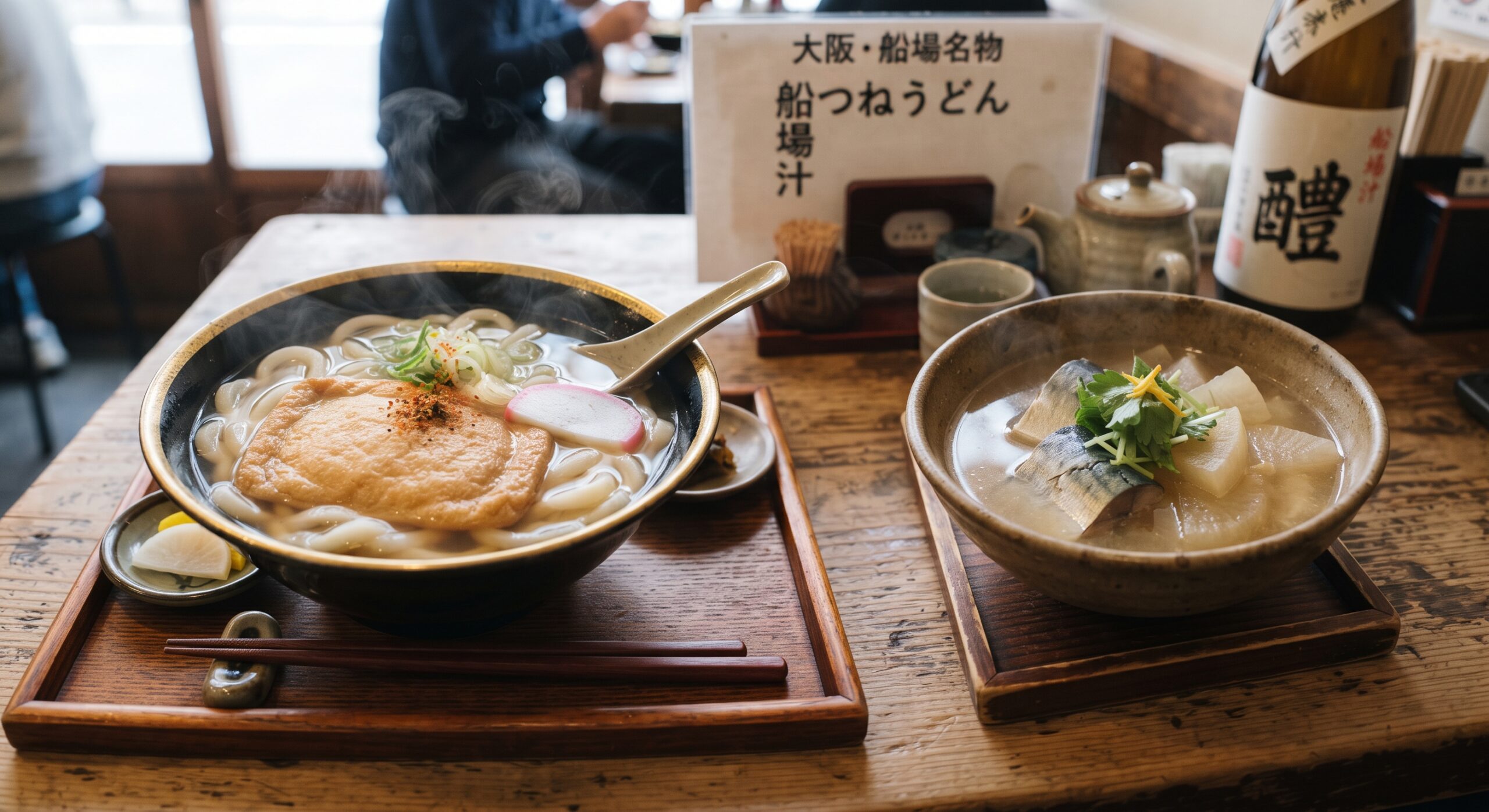
- きつねうどん
きつねうどんは明治26年(1893年)、大阪・船場のうどん店「松葉家」(現・うさみ亭マツバヤ)で生まれたとされる、大阪発祥の一皿です。「浪花恋しぐれ」が描く上方の下町情緒と同じ大阪の食文化から生まれた一杯に、油揚げの甘辛い味わいが、醴の穏やかな甘みとよく響き合います。
レシピはこちら:クラシル「【堀内シェフ】きつねうどん」
- 船場汁(せんばじる)
大阪の問屋街・船場で、商家に古くから伝わる家庭料理。塩鯖のあらと大根を煮るだけの質素な一椀ですが、出汁の旨味は深く、船場という地名そのものが「浪花恋しぐれ」の舞台と同じ大阪の下町を指しています。
レシピはこちら:クラシル「サバ味付け缶 de 即席船場汁」
科学的にひとこと:塩鯖などの魚の出汁に含まれるイノシン酸や、大根・油揚げの旨味成分は、日本酒のアミノ酸系の旨味と重なり合って相乗効果を生みます。醴のような甘みの強い酒は、出汁のわずかな塩味・苦味をまろやかに包み込み、口当たり全体を穏やかにまとめてくれます。
この蔵をたずねるなら
天野酒(西條合資会社)
大阪府河内長野市長野町12-18/南海高野線・近鉄長野線「河内長野駅」から徒歩約3分。
享保3年(1718年)創業、現在は第十代蔵主・西條陽三氏が蔵を継いでいます。
近くの観光スポット
- 天野山金剛寺/河内長野市天野町|天野酒から車で約12分・約6km
豊臣秀吉が「天野比類無シ」と絶賛し、良酒醸造に専念することを命じる朱印状を送ったと伝わる寺。国宝の金堂・多宝塔をはじめ広い境内を持ちます。拝観時間9:00〜16:30、伽藍拝観料は大人200円(訪問前に公式サイトでご確認ください)。
- 観心寺/河内長野市寺元|天野酒から車で約10分・約4km
国宝・如意輪観音坐像(秘仏、毎年4月17・18日のみ開扉)を本尊とし、楠木正成ゆかりの寺としても知られます。拝観時間9:00〜17:00、拝観料大人300円。
近くの温泉
- 天然温泉 憩の宿 河内長野荘/河内長野市末広町|天野酒から徒歩約8分・車で約3分
日帰り入浴プランあり(お食事とセットの「お気軽日帰り温泉パック」など、受付11:30〜14:00、予約不要)。詳細・時間は事前にご確認ください。
※営業時間・定休日・日帰り入浴の可否は変わることがあります。おでかけ前に各施設の公式情報をご確認ください。
ひとことメモ(日本酒の用語)
- 特別純米酒:特別な製法や原料米を用い、その内容をラベルに表示している純米酒です。
- 精米歩合:玄米を削り、残った部分の割合。数値が低いほど、米を多く磨いていることを示します。
参考
内容に誤りがございましたら、お手数ですが info@soundrecords.jp までご連絡いただけますと幸いです。
Today’s Pairing
- Sake: Amanosake “Tokubetsu Junmai Rei” — brewed with Gohyakumangoku rice, rice-polishing ratio (seimai buai) 60% or less, 16.4% alcohol, sake meter value (nihonshu-do) +2.0 (1800ml) / Saijo Godo Kaisha (12-18 Nagano-cho, Kawachinagano City, Osaka Prefecture)
Official site: https://www.amanosake.com/
- Kayoukyoku (classic Japanese popular song): “Naniwa Koi Shigure” (“A Naniwa Love, in the Drizzle”) by Miyako Harumi & Oka Chiaki, 1983
YouTube: https://www.youtube.com/watch?v=o8HaWWi8908
▶ If the player above doesn’t play, open it on YouTube
The Story of the Brewery
Saijo Godo Kaisha was founded in 1718 in Nagano-cho, Kawachinagano City, Osaka Prefecture. From its founding until the end of the Meiji era, its sake went by the name “Miki Masamune,” and through the Taisho and Showa eras it was known as “Naminotsuru.” Then in 1971 — with the goodwill of Amanosan Kongo-ji, the temple whose name inspired Amanosake in the first place, and the encouragement of the local community — the brewery revived an older, deeper name tied to this land: Amanosake. Today the brewery is led by its 10th-generation head, Saijo Yozo.
The name “Amanosake” traces back to the Muromachi period, when monks at Amanosan Kongo-ji brewed a temple-made sake known as sobo-shu. Praised in its day as “peerless” and “beyond words in its excellence,” it was, according to the Osaka prefectural government, beloved above all by Toyotomi Hideyoshi, who repeatedly sent messengers to purchase it and issued a vermillion-seal document (shuinjo) to Kongo-ji ordering the monks to devote themselves to fine sake brewing. But by the end of the Momoyama period, as the waterways around Sakai changed and Sakai itself was caught up in the fighting of the Siege of Osaka, Amanosake is said to have gradually faded from the historical spotlight. The Saijo family kept the region’s sake-brewing memory alive under the names “Miki Masamune” and “Naminotsuru,” and it was only with the community’s support that the brewery was able to reclaim its original name.
The bottle in this pairing, “Tokubetsu Junmai Rei,” takes its name from an old character, 醴 (rei), which once referred to a sweet, lightly fermented sake resembling amazake, rice grains and all. Brewed from Gohyakumangoku rice polished to 60% or less, this junmai is built around a gentle sweetness, a nostalgic aroma, and the fullness of the rice itself — and named, deliberately, with that ancient character.
The Story of the Land
Kawachinagano City sits in southeastern Osaka Prefecture, spreading out at the northern foot of the Kongo mountain range. Several branches of the Koya Kaido, the historic pilgrimage road from Kyoto and Osaka to Mt. Koya, converged here into a single route, with further roads branching off toward Yamato and Kumano — making it a hub along these historic routes. It is home to two major temples, Amanosan Kongo-ji and Kanshin-ji, which drew a steady stream of pilgrims and travelers through the centuries. The temple-brewed sake that gave Amanosake its name is one example of medieval Japan’s monastery-based sake brewing, said to stand alongside the bodaimoto techniques developed at temples in Nara as one of the foundations of sake brewing as it’s practiced today.
A sake once sought after by the great figures of the Warring States period, born in this town, faded from history for a time, and was then quietly called back by a temple and its neighbors — the story of Kawachinagano itself is a story about the quiet groundwork that lies behind every moment in the spotlight.
The Story of the Song
“Naniwa Koi Shigure” was released on May 21, 1983, a duet single by Miyako Harumi and Oka Chiaki. The lyrics are by Takatakashi, the music by Oka Chiaki, and the arrangement by Saito Tsuneo. Modeled on the unconventional life of the pre-war kamigata rakugo superstar Katsura Harudanji I and the devotion of his wife, Ohama, who supported him quietly behind the scenes, it peaked at No. 3 on Oricon’s weekly chart and remained a long-running hit inside the top 20 all the way through the following February. That same year it won the Special Gold Award at the 25th Japan Record Awards along with the 16th Japan Cable Broadcasting Award and the 16th All Japan Cable Broadcasting Award, and the duo performed it at the 34th NHK Kohaku Uta Gassen.
Miyako Harumi was born February 22, 1948, in Kyoto City. She debuted in March 1964, and that same year’s “Anko Tsubaki wa Koi no Hana” became a million-seller, winning her the Best New Artist award at the 6th Japan Record Awards. Known for a powerful vocal style nicknamed “Harumi-bushi,” she became one of the defining enka singers of the late Showa era, winning the Japan Record Award’s Grand Prix in 1976 for “Kitaguni no Haru kara” (“From the Inn in the Northern Country”). She’s also remembered for abruptly announcing her retirement in March 1984, at the height of her popularity, before returning to singing in 1990. Oka Chiaki, for his part, was born December 7, 1950, in Hinase (now part of Bizen City), Okayama Prefecture. He debuted as a composer in 1970, and built his reputation writing hits including Itsuki Hiroshi’s “Nagaragawa Enka,” which won the Grand Prix at the 26th Japan Record Awards; he began performing in earnest as a singer himself in 1983, through his duets with Miyako Harumi, known for his distinctively low, husky voice.
Why This Pairing
“Naniwa Koi Shigure” tells the story of Katsura Harudanji I, who spent his life in the spotlight on stage, and his wife Ohama, who held that spotlight up from the shadows. His unconventional art and life were only possible because of the foundation she provided.
Amanosake follows a remarkably similar shape. Once beloved by great historical figures like Toyotomi Hideyoshi and celebrated in its own historical spotlight, it lost its name for a time, quietly carried on under “Miki Masamune” and then “Naminotsuru.” Reclaiming its original name required more than the brewery’s own effort — it took the goodwill of Amanosan Kongo-ji and the encouragement of the local community, a kind of support from the shadows.
In a sweet sake named for an old character meaning something close to amazake, you can taste the quiet, unglamorous work of the people who kept this sake alive behind the scenes of its own glittering history. Behind everything shining at center stage, there is a sweetness that held it up. Let that thought settle in as you raise your cup.
Where to Find This Bottle
The Rakuten Ichiba link below is an affiliate link.
Note: the links above lead to Japan-based retailers. They’re most convenient for readers in Japan, or for those elsewhere who are able to arrange international shipping. Stock and availability change over time, so if you’re near a specialty sake shop, it’s well worth asking for this label by name.
🌡️ Recommended way to drink it: Room temperature, or gently warmed (nurukan). Warming brings out the sweetness and rice-derived umami of Rei even more softly, with a nostalgic quality.
Pairing Dishes Worth Trying
- Kitsune udon
Kitsune udon is said to have originated in 1893 at the udon shop Matsubaya (today’s Usamitei Matsubaya) in Semba, Osaka’s old merchant district. Born from the same Osaka food culture as the old-town atmosphere depicted in “Naniwa Koi Shigure,” the sweet-savory fried tofu (aburaage) on top resonates naturally with Rei’s gentle sweetness.
Recipe (in Japanese): Kurashiru, “Chef Horiuchi’s Kitsune Udon”
- Semba-jiru
A humble home-cooked soup handed down among the old merchant houses of Semba, Osaka’s wholesale district: nothing more than salted mackerel trimmings and daikon, simmered together. Simple as it is, the dashi runs deep — and Semba itself is the same old-town Osaka setting depicted in “Naniwa Koi Shigure.”
Recipe (in Japanese): Kurashiru, “Semba-jiru in a Hurry, with Canned Mackerel”
A note on the science: the inosinic acid in fish dashi (like salted mackerel), along with the umami compounds in daikon and fried tofu, resonate with the amino-acid umami in sake for a synergistic boost of savoriness. A sake with pronounced sweetness, like Rei, gently wraps around dashi’s faint saltiness and bitterness, rounding out the whole mouthful.
Visiting the Brewery
Amanosake (Saijo Godo Kaisha)
12-18 Nagano-cho, Kawachinagano City, Osaka. About a 3-min walk from Kawachinagano Station on the Nankai Koya Line / Kintetsu Nagano Line.
Founded in 1718, the brewery is now run by its 10th-generation head, Saijo Yozo.
Sights Nearby
- Amanosan Kongo-ji Temple / Amano-cho, Kawachinagano | ~12 min, ~6 km by car from Amanosake
The temple said to have received a vermillion seal document from Toyotomi Hideyoshi, who praised its sake as “unmatched,” ordering the monks to devote themselves to fine sake brewing. Home to a National Treasure main hall and pagoda. Open 9:00–16:30; admission to the temple grounds is ¥200 for adults. Check the official site before visiting.
- Kanshin-ji Temple / Teramoto, Kawachinagano | ~10 min, ~4 km by car from Amanosake
Home to a National Treasure seated Nyoirin Kannon statue (a hidden Buddha shown only on April 17–18 each year) and associated with the medieval warrior Kusunoki Masashige. Open 9:00–17:00; admission ¥300 for adults.
Hot Springs Nearby
- Natural Hot Spring Ikoi no Yado Kawachinagano-so / Suehiro-cho, Kawachinagano | ~8 min on foot, ~3 min by car from Amanosake
Offers day-use bathing plans (e.g. a bath-and-meal package, walk-in reception 11:30–14:00, no reservation needed). Please confirm current hours and offerings before visiting.
Opening hours, closing days and day-use bathing availability can change. Please check each facility’s official information before visiting.
A Quick Glossary of Sake Terms
- Tokubetsu Junmai (“special junmai”): Junmai sake (made only from rice, rice koji, and water, with no added brewing alcohol) brewed using a special method or rice variety that the brewery discloses on the label.
- Seimai buai (rice-polishing ratio): The percentage of the original grain remaining after milling. The lower the number, the more the rice has been polished down.
Sources
If you notice any errors in this article, please don’t hesitate to reach out at info@soundrecords.jp.
コメントを残す