この記事を耳で聞く
表示中の言語で読み上げます。音声は端末の設定によって異なります。
今日のペアリング
- クラフトビール:川場ビール カワバエール/アンバーエール・ABV(アルコール度数)5%・無濾過・モルト由来のカラメルの香りとほのかな甘み/株式会社田園プラザ川場(道の駅川場田園プラザ、群馬県利根郡川場村)
公式サイト:https://denenplaza.co.jp/shopping/kawaba_beer/ - 音楽:「ふるさと -C.BECHSTEIN ver.-」EXILE ATSUSHI(2019年)
YouTube:https://www.youtube.com/watch?v=tPrcfYAU_oA
▶ 上のプレーヤーで再生できない場合は、YouTubeで開く
醸造所の話
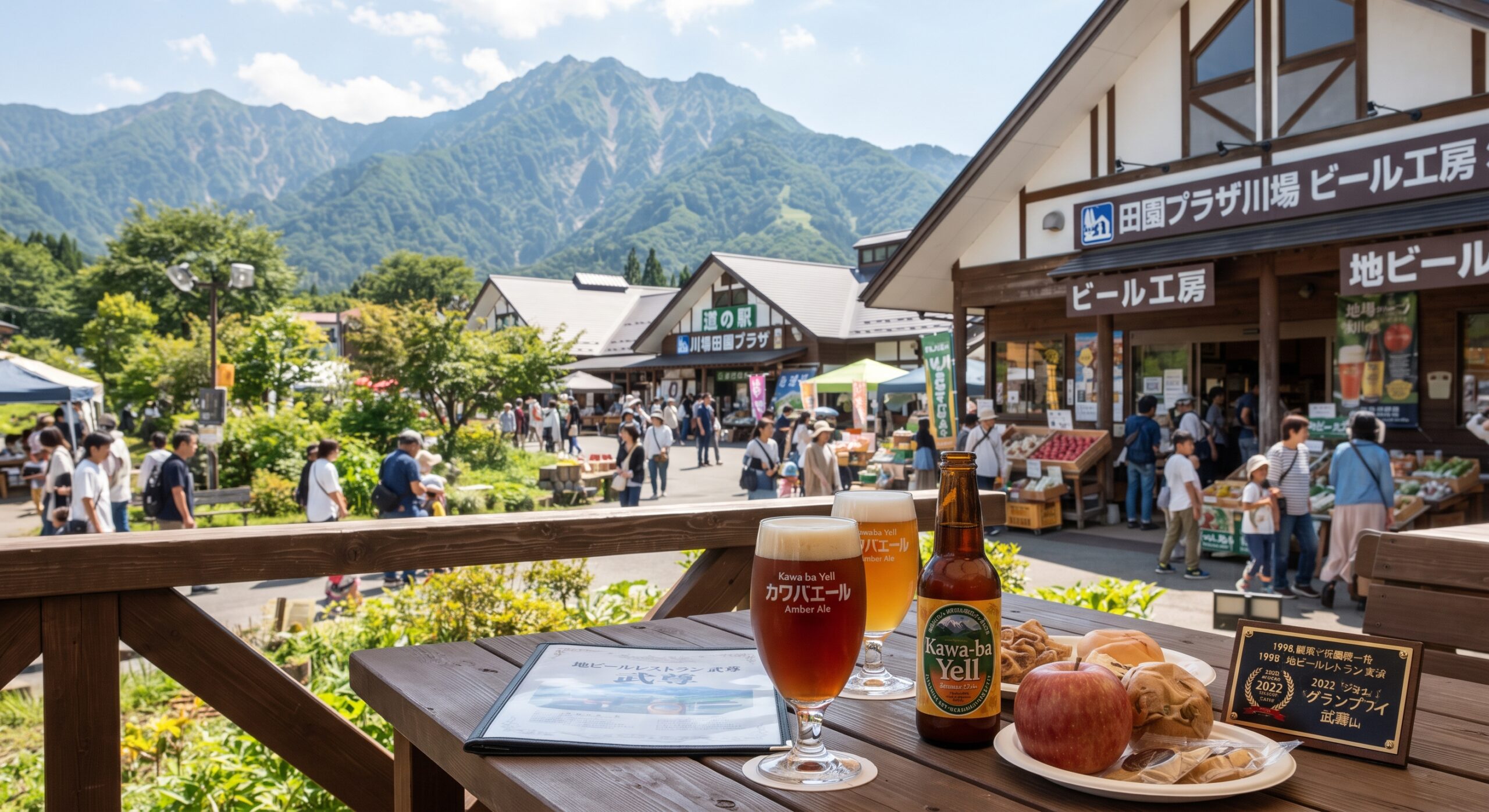
道の駅川場田園プラザは、武尊山の山麓に広がる川場村にあります。運営する株式会社田園プラザ川場が、ビール工房を立ち上げてここで地ビールを醸し始めたのは1998年。武尊の山々から流れ出る水を仕込み水に、ヴァイツェン、アンバーエール(カワバエール)、IPA、川場産コシヒカリ「雪ほたか」を副原料に使った雪ほたかピルスナーの4種を柱に造り続けています。2008年・2009年には日本地ビール協会主催の「ジャパン・アジア・ビアカップ」で2年連続入賞も果たしました。
今回の一本「カワバエール」は、深みのある赤色が目を引くアンバーエール。アルコール度数5%、ホップのほどよい苦みにカラメル麦芽の香りとほのかな甘みが重なります。無濾過のため瓶の中には軽いにごりが残り、酵母の働きがそのまま一杯に出ています。
この道の駅自体も、2022年に旅行情報誌『じゃらん』の「全国道の駅グランプリ」で初の1位を獲得しました。全国およそ1000の道の駅を対象にした調査で、ビール工房を含む体験の豊富さが評価された結果です。
土地の話
川場村は人口3,000人あまり、面積85平方キロメートルほどの小さな山村です。1980年、「区民健康村」をつくる構想を掲げていた東京都世田谷区が、52の候補地の中からこの村を選びました。理由は「観光地も繁華街もない」こと、つまり都会では失われた自然と田園の景観が、手つかずのまま残っていたことでした。翌1981年、両者は「区民健康村相互協力に関する協定」を結びます。単なる姉妹提携ではなく、都市と農村が共同で地域づくりを進める「縁組協定」でした。
以来40年以上、世田谷区の小学5年生が川場村を訪れ、村の子どもたちが世田谷を訪ねる交流が続いています。村では世田谷区にとっての「第二のふるさと」という言葉が使われてきました。道の駅の中で川場ビールとともに食事を出す「地ビールレストラン武尊」も、株式会社世田谷川場ふるさと公社という、両者の名前を冠した会社が運営しています。村の名産であるりんごも、この土地を「ふるさと」として訪れる人たちを秋ごとに迎え続けてきました。
音楽の話
「ふるさと」のもとになった「故郷(ふるさと)」は、1914年(大正3年)、尋常小学唱歌第六学年用に発表された文部省唱歌です。作詞・高野辰之、作曲・岡野貞一。発表当時、文部省は作者名を公表せず、二人の名が音楽の教科書に載るようになったのは1992年のことでした。「兎追いしかの山 小鮒釣りしかの川」という歌い出しは、遠く離れた土地で、子どものころに過ごした山河を思い出す歌です。
EXILE ATSUSHIはこの唱歌を2012年に初めてカバーし、2019年4月30日発売のベストアルバム『TRADITIONAL BEST』で「ふるさと -C.BECHSTEIN ver.-」として新たに録音し直しました。アルバムのテーマは「日本の心」。本人は「明治、大正から愛されてきた童謡や昭和、平成の名曲を来るべき新しい時代に歌い継いでいきたい」という思いでこの企画を作ったと語っています。この一曲は、世界的なピアノ「C.ベヒシュタイン」で再録音されたリアレンジ版で、「このピアノへの敬意の気持ちを込めて」バージョン名にその名を入れることを、ATSUSHI自身が提案したといいます。
なぜこの組み合わせなのか
「故郷」が歌っているのは、離れてしまったからこそ思い出される山と川です。けれど川場村と世田谷区の関係は、思い出すだけで終わりません。40年以上にわたって、毎年新しい小学5年生がこの村を実際に訪れ、「かの山」「かの川」を自分の足で歩いてきました。思い出の中だけにあった「ふるさと」を、現実の土地として持ち続けている場所だと言えます。
そしてカワバエールを仕込む水も、同じ武尊の山から流れ出たものです。ATSUSHIが百年以上前の唱歌を、新しい時代に歌い継ぐために録音し直したように、この村もまた、都会で生まれ育った子どもたちに、山村の暮らしを毎年手渡し続けています。一杯のビールも一曲の歌も、受け継がれることで初めて「ふるさと」になるのだと思わせてくれる組み合わせです。
この一杯を、探すなら
※楽天市場へのリンクは広告(アフィリエイト)です。醸造所がタップルームや直営店を持っている場合は、できたてを現地で味わうのが一番のおすすめです。
合わせたい「アテ」
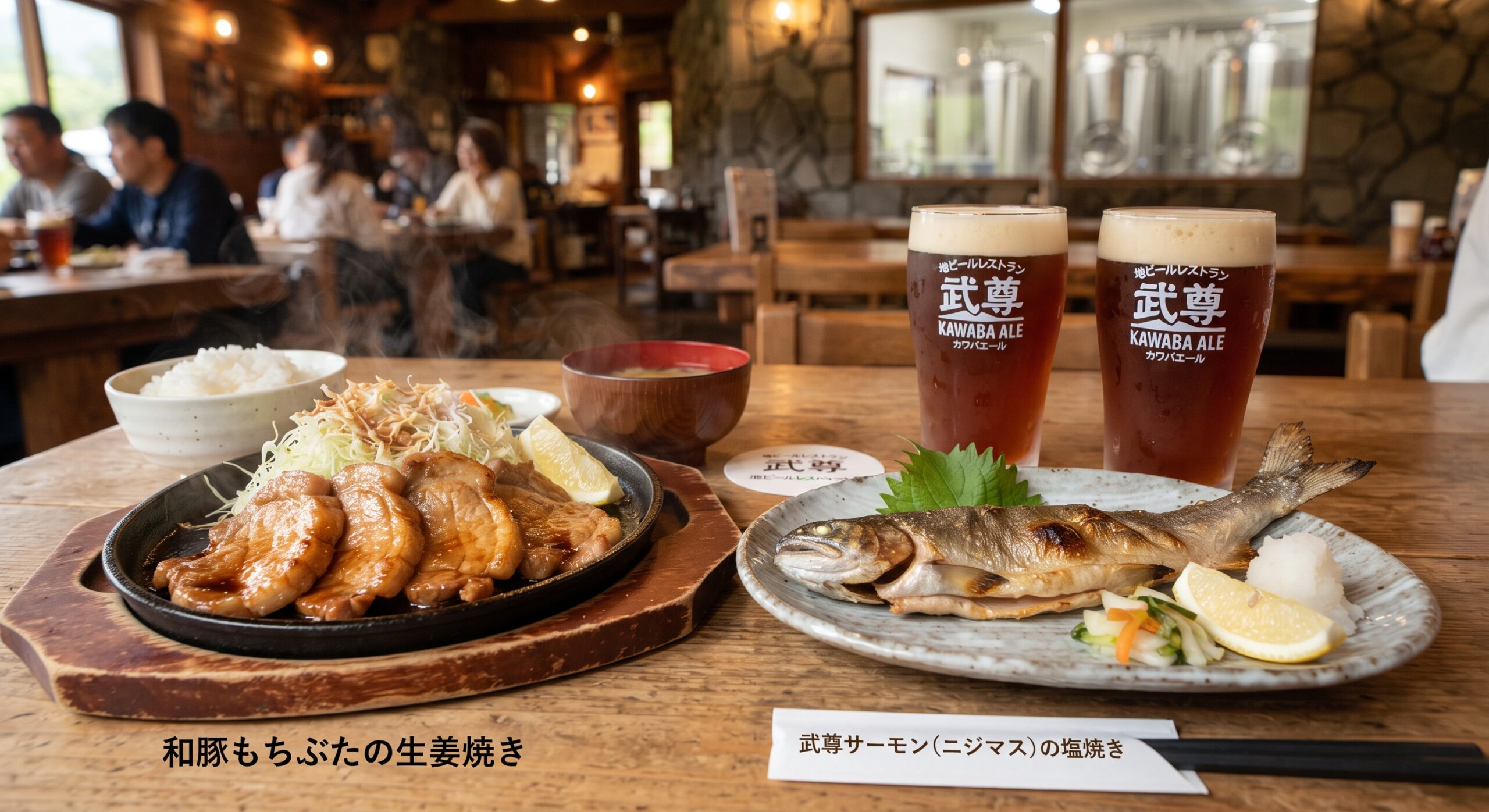
- 和豚もちぶたの生姜焼き
道の駅内「地ビールレストラン武尊」の看板メニューの一つ。醤油ベースの生姜だれで焼き上げた香ばしさが、カワバエールのカラメル麦芽の香りと重なります。
レシピはこちら:クラシル「基本の豚肉の生姜焼き」 - 武尊サーモン(ニジマス)の塩焼き
川場村の養魚場で育つニジマスを使った一品。脂の乗った身の後味を、ホップの苦みと炭酸が軽く流してくれます。
レシピはこちら:クックパッド「ニジマスの塩焼き」
科学的にひとこと:肉や魚の表面を焼いたときに起こるメイラード反応と、麦芽を焙煎したときに起こる反応は、どちらも糖とアミノ酸が熱で結びついて香ばしい香気成分を生む点で同じ仕組みです。カワバエールのカラメル麦芽の香りと焼き目の香ばしさが重なり合うのは、この共通点によるものです。
この醸造所をたずねるなら
道の駅 川場田園プラザ(川場ビール)
群馬県利根郡川場村大字萩室385/関越自動車道「沼田IC」から車で約10分。
ビール工房と直売所が併設され、併設の「地ビールレストラン武尊」でできたてを飲めます。
近くの観光スポット
- 青龍山 吉祥寺/川場村|醸造所から車で約5分・約1.5km
南北朝時代の暦応2年(1339)創建の禅寺。四季折々の花が境内を彩る「花寺」として知られ、秋は日本庭園と紅葉の競演が見られます。 - 関りんご園/川場村|醸造所から車で約5分
川場村は知る人ぞ知るりんごの産地。あかぎ・陽光・ふじなど複数品種を栽培し、秋にはりんご狩りと直売を行っています。
近くの温泉
- かわば田園温泉 楽楽の湯/川場村|醸造所から車で約2分・徒歩約10分
道の駅のすぐそばにある日帰り天然温泉。空と山と田園風景に包まれた露天風呂があります。
※営業時間・定休日・日帰り入浴の可否は変わることがあります。おでかけ前に各施設の公式情報をご確認ください。
ひとことメモ(ビールの用語)
- クラフトビール:小規模な醸造所が、造り手の個性を前面に出して仕込むビールの総称。大量生産の均一な味とは別の方向を目指しています。
- エール:常温に近い温度で、酵母が液面近くで働く「上面発酵」で造るビール。果実のような香りと厚みのある味わいが出やすいのが特徴です。
- モルト:発芽させた大麦(麦芽)のこと。ビールの甘み・色・コクの土台になり、焙煎の深さで色と香ばしさが決まります。
- ホップ:ビールに苦みと香りを与えるつる性植物の毬花(まりばな)。品種によって、柑橘・トロピカルフルーツ・草原のように香りが変わります。
- ABV:アルコール度数(Alcohol By Volume)のこと。ビールでは5%前後が標準で、8%を超えると飲みごたえのある「強め」の部類になります。
- 地ビール:1994年の酒税法改正で小規模醸造が解禁された後、各地で生まれたビールの呼び名。現在は「クラフトビール」と呼ばれることが多くなっています。
参考
- 道の駅川場田園プラザ公式サイト「KAWABA BEER」
- 群馬のビール【川場ビール】 – たのしいお酒.jp
- ベヒシュタイン・ジャパン公式サイト「EXILE ATSUSHI」
- 故郷 (唱歌) – Wikipedia
内容に誤りがございましたら、お手数ですが info@soundrecords.jp までご連絡いただけますと幸いです。
오늘의 페어링
- 수제맥주: 가와바 맥주 가와바 에일/앰버 에일·ABV(알코올 도수)5%·무여과·몰트에서 오는 캐러멜 향과 은은한 단맛/주식회사 덴엔 플라자 가와바(미치노에키 가와바 덴엔 플라자, 군마현 도네군 가와바무라) 공식 사이트:https://denenplaza.co.jp/shopping/kawaba_beer/
- 음악: 「고향 -C.BECHSTEIN ver.-」 EXILE ATSUSHI(2019년) YouTube:https://www.youtube.com/watch?v=tPrcfYAU_oA
▶ 위 플레이어에서 재생되지 않으면 YouTube에서 열기
양조장 이야기
미치노에키 가와바 덴엔 플라자는 호타카산 기슭에 펼쳐진 가와바무라에 있습니다. 운영사인 주식회사 덴엔 플라자 가와바가 맥주 공방을 세우고 이곳에서 지역 맥주를 빚기 시작한 것은 1998년입니다. 호타카의 산들에서 흘러나오는 물을 양조수로 쓰며 바이젠, 앰버 에일(가와바 에일), IPA, 가와바산 고시히카리 「유키호타카」를 부원료로 사용한 유키호타카 필스너의 4종을 중심으로 꾸준히 만들고 있습니다.2008년·2009년에는 일본지역맥주협회가 주최하는 「재팬 아시아 비어컵」에서 2년 연속 입상하기도 했습니다. 이번에 고른 「가와바 에일」은 깊이 있는 붉은색이 눈길을 끄는 앰버 에일입니다. 알코올 도수 5%에 홉의 적당한 쓴맛과 캐러멜 맥아의 향, 은은한 단맛이 겹칩니다. 무여과라 병 안에는 옅은 탁함이 남으며 효모의 작용이 한 잔에 고스란히 드러납니다. 이 미치노에키 자체도 2022년 여행 정보지 『자란』의 「전국 미치노에키 그랑프리」에서 처음으로 1위를 차지했습니다. 전국 약 1000곳의 미치노에키를 대상으로 한 조사에서 맥주 공방을 비롯한 체험의 풍부함을 인정받은 결과입니다.
지역 이야기
가와바무라는 인구 3,000여 명, 면적 약 85제곱킬로미터의 작은 산촌입니다.1980년 「구민 건강촌」을 조성하려던 도쿄도 세타가야구는 52곳의 후보지 중 이 마을을 골랐습니다. 이유는 「관광지도 번화가도 없다」는 것, 즉 도시에서 사라진 자연과 전원 풍경이 손대지 않은 채 남아 있다는 점이었습니다. 이듬해 1981년 양측은 「구민 건강촌 상호 협력에 관한 협정」을 맺습니다. 단순한 자매결연이 아니라 도시와 농촌이 함께 지역 만들기를 추진하는 「인연 맺기 협정」이었습니다. 이후 40년 넘게 세타가야구의 초등학교 5학년이 가와바무라를 방문하고 마을 아이들이 세타가야를 찾는 교류가 이어지고 있습니다. 마을에서는 세타가야구의 「두 번째 고향」이라는 말을 써 왔습니다. 미치노에키 안에서 가와바 맥주와 함께 식사를 내는 「지역 맥주 레스토랑 호타카」도 주식회사 세타가야 가와바 후루사토 공사라는 양측 이름을 단 회사가 운영합니다. 마을 특산물인 사과도 이 땅을 「고향」으로 찾아오는 사람들을 가을마다 맞이해 왔습니다.
음악 이야기
「고향」의 바탕이 된 「후루사토(고향)」는 1914년(다이쇼 3년)에 심상소학교 창가 제육학년용으로 발표된 문부성 창가입니다. 작사는 다카노 다쓰유키, 작곡은 오카노 데이이치입니다. 발표 당시 문부성은 작가 이름을 공개하지 않았고 두 사람의 이름이 음악 교과서에 실리기 시작한 것은 1992년이었습니다. “토끼를 쫓던 그 산, 붕어를 낚던 그 강”이라는 첫 구절은 멀리 떨어진 곳에서 어린 시절을 보낸 산과 강을 떠올리는 노래입니다. EXILE ATSUSHI는 이 창가를 2012년에 처음 커버했고 2019년 4월 30일 발매한 베스트 앨범 『TRADITIONAL BEST』에서 「고향 -C.BECHSTEIN ver.-」로 새롭게 녹음했습니다. 앨범의 주제는 「일본의 마음」입니다. 본인은 “메이지, 다이쇼 시대부터 사랑받아 온 동요와 쇼와, 헤이세이의 명곡을 다가올 새로운 시대로 이어 부르고 싶다”는 마음으로 이 기획을 만들었다고 말합니다. 이 곡은 세계적인 피아노 「C. 베히슈타인」으로 다시 녹음한 재편곡 버전이며 “이 피아노에 대한 존경을 담아” 버전 이름에 그 이름을 넣자고 ATSUSHI가 직접 제안했다고 합니다.
이 조합을 고른 이유
「고향」이 노래하는 것은 떠나왔기에 비로소 떠오르는 산과 강입니다. 하지만 가와바무라와 세타가야구의 관계는 떠올리는 데서 끝나지 않습니다.40년 넘게 해마다 새로운 초등학교 5학년 학생들이 이 마을을 실제로 방문하여 「그 산」과 「그 강」을 자기 발로 걸어 왔습니다. 추억 속에만 있던 「고향」을 현실의 땅으로 계속 지니고 있는 곳이라고 할 수 있습니다. 가와바 에일을 빚는 물도 같은 호타카산에서 흘러나온 물입니다. ATSUSHI가 백 년도 더 된 창가를 새로운 시대에 이어 부르기 위해 다시 녹음했듯 이 마을 역시 도시에서 나고 자란 아이들에게 산촌의 삶을 해마다 건네고 있습니다. 맥주 한 잔도 노래 한 곡도 이어 전해질 때 비로소 「고향」이 된다는 생각을 하게 하는 조합입니다.
이 맥주를 찾으신다면
- 양조장 공식 사이트:https://denenplaza.co.jp/shopping/kawaba_beer/
- 라쿠텐 시장에서 구매하기:「가와바 에일」 상품 페이지 보기(330ml×6병·3,980엔)
※ 라쿠텐 시장 링크는 광고(제휴 마케팅)입니다. 양조장에 탭룸이나 직영점이 있다면 현지에서 갓 만든 맥주를 맛보시는 것을 가장 추천합니다.
🌡️ 추천하는 음용법(온도와 잔):8〜10℃로 필스너보다 조금 높은 온도에서 캐러멜 맥아의 향을 살려 주세요. 잔은 둥근 텀블러나 영국식 파인트 잔을 추천합니다. 입구가 좁아지는 모양이면 맥아에서 오는 달콤한 향이 잔 안에 머물기 쉬워집니다.
곁들이고 싶은 안주
- 와톤 모치부타 생강구이미치노에키 안 「지역 맥주 레스토랑 호타카」의 대표 메뉴 중 하나입니다. 간장 바탕의 생강 소스로 구운 고소한 향이 가와바 에일의 캐러멜 맥아 향과 겹칩니다.
조리법 보기:쿠라시루 「기본 돼지고기 생강구이」 - 호타카 연어(무지개송어) 소금구이가와바무라 양어장에서 자라는 무지개송어를 사용한 요리입니다. 기름 오른 살의 뒷맛을 홉의 쓴맛과 탄산이 가볍게 씻어 줍니다.
조리법 보기:쿡패드 「무지개송어 소금구이」
과학적으로 한마디: 고기나 생선의 표면을 구울 때 일어나는 마이야르 반응과 맥아를 로스팅할 때 일어나는 반응은 모두 당과 아미노산이 열로 결합하여 고소한 향기 성분을 만든다는 점에서 같은 원리입니다. 가와바 에일의 캐러멜 맥아 향과 구운 자국의 고소함이 어우러지는 것은 이 공통점 때문입니다.
이 양조장을 방문하신다면
미치노에키 가와바 덴엔 플라자(가와바 맥주)군마현 도네군 가와바무라 오아자 하기무로 385/간에쓰 자동차도 「누마타 IC」에서 차로 약 10분. 맥주 공방과 직판점이 함께 있으며 부속 「지역 맥주 레스토랑 호타카」에서 갓 만든 맥주를 마실 수 있습니다.
주변 관광 명소
- 세이류산 기치조지/가와바무라|양조장에서 차로 약 5분·약 1.5km난보쿠초 시대 랴쿠오 2년(1339)에 창건한 선종 사찰입니다. 사계절 꽃이 경내를 물들이는 「꽃의 절」로 알려져 있으며 가을에는 일본 정원과 단풍이 어우러지는 모습을 볼 수 있습니다.
- 세키 사과 농원/가와바무라|양조장에서 차로 약 5분가와바무라는 아는 사람은 아는 사과 산지입니다. 아카기, 요코, 후지 등 여러 품종을 재배하며 가을에는 사과 따기와 직판을 운영합니다.
주변 온천
- 가와바 덴엔 온천 라쿠라쿠노유/가와바무라|양조장에서 차로 약 2분·도보 약 10분미치노에키 바로 곁에 있는 당일 천연 온천입니다. 하늘과 산, 전원 풍경에 둘러싸인 노천탕이 있습니다.
※ 영업시간, 정기 휴무일, 당일 입욕 가능 여부는 달라질 수 있습니다. 방문 전에 각 시설의 공식 정보를 확인해 주세요.
간단한 메모(맥주 용어)
- 수제맥주: 소규모 양조장에서 양조자의 개성을 앞세워 빚는 맥주를 통틀어 이르는 말입니다. 대량 생산의 획일적인 맛과는 다른 방향을 추구합니다.
- 에일: 상온에 가까운 온도에서 효모가 액체 표면 가까이에서 활동하는 「상면 발효」로 만드는 맥주입니다. 과일 같은 향과 두터운 풍미가 나기 쉬운 것이 특징입니다.
- 몰트: 싹을 틔운 보리(맥아)를 말합니다. 맥주의 단맛, 색, 깊은 맛의 바탕이며 로스팅 정도에 따라 색과 고소한 향이 결정됩니다.
- 홉: 맥주에 쓴맛과 향을 주는 덩굴식물의 구과 모양 꽃입니다. 품종에 따라 감귤, 열대 과일, 풀밭처럼 향이 달라집니다.
- ABV: 알코올 도수(Alcohol By Volume)를 말합니다. 맥주에서는 5% 안팎이 표준이며 8%를 넘으면 묵직한 음용감의 도수가 높은 부류에 속합니다.
- 지역 맥주:1994년 주세법 개정으로 소규모 양조가 허용된 뒤 각지에서 탄생한 맥주를 이르는 이름입니다. 현재는 「수제맥주」라고 부르는 경우가 많아졌습니다.
참고 자료
- 미치노에키 가와바 덴엔 플라자 공식 사이트 「KAWABA BEER」
- 군마의 맥주【가와바 맥주】 – 즐거운 술.jp
- 베히슈타인 재팬 공식 사이트 「EXILE ATSUSHI」
- 고향(창가) – Wikipedia
내용에 오류가 있다면 번거로우시겠지만info@soundrecords.jp으로 연락해 주시면 감사하겠습니다.
コメントを残す